
Water is the lifeblood of our daily lives—whether it's for drinking, cooking, bathing, or watering crops. For millions around the world, access to clean water relies on wells, those silent, vertical structures that tap into underground aquifers. But what keeps these wells functioning properly, ensuring water flows freely while keeping contaminants out? Enter two unsung heroes of well construction: PVC well casing and screen pipes. These components might not grab headlines, but they're the backbone of any reliable well system. In this guide, we'll break down everything you need to know about these critical tools, from their basic definition to why they matter, and how to choose the right solutions for your project.
Let's start with the basics. When you drill a well, the hole you create isn't just a simple tunnel—it needs structure, protection, and a way to separate clean water from sediment. That's where casing and screen pipes come in. Think of them as a dynamic duo: one keeps the well stable, and the other filters the water.
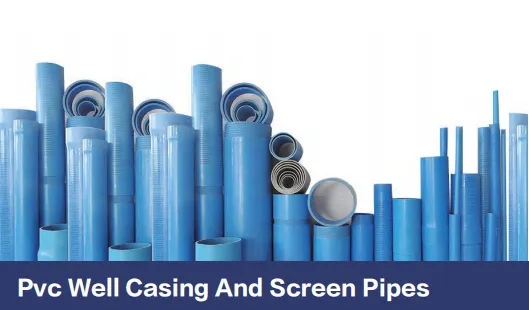
PVC well casing is a rigid, hollow pipe made from polyvinyl chloride (PVC) that lines the entire length of the well borehole. Its primary job? To prevent the walls of the well from collapsing. Without casing, soil, rocks, and debris would cave into the hole, blocking water flow and ruining the well. But it does more than just support the structure—it also acts as a barrier, separating different layers of soil or rock to prevent contamination from surface water, chemicals, or bacteria. Imagine it as a protective sleeve that keeps the well "clean" from the outside in.
If casing is the "protector," then the screen pipe is the "filter." Located near the bottom of the well, where the aquifer (the underground layer of water-bearing rock or sediment) is, the screen pipe has tiny slots or holes along its length. These slots are carefully sized to let water from the aquifer flow into the well while blocking sediment, sand, and gravel. It's like a strainer for your well—ensuring only clean water makes its way up to your pump. Without a screen, sediment would clog the pump, damage equipment, and leave you with murky, unusable water.
Picture this: The casing pipe runs from the surface down to the aquifer, forming a sealed tube that keeps out dirt and contaminants. At the bottom, where the aquifer begins, the casing connects to the screen pipe. The screen pipe extends into the aquifer, allowing water to enter through its slots. Once inside the screen, water travels up through the casing to the surface, where a pump pulls it into your home, farm, or facility. Together, they create a secure, efficient pathway for water—strong enough to withstand underground pressure and smart enough to filter out unwanted particles.
Now that we know what casing and screen pipes do, let's talk about the material that makes them so effective: PVC, or polyvinyl chloride. You might recognize PVC from everyday items like pipes under your sink or window frames, but in well construction, it's a game-changer. Why? Let's break down its key properties and see how it stacks up against other materials.
PVC is a synthetic plastic polymer known for its durability, versatility, and affordability. When used in well casing and screen pipes, it brings several critical advantages:
You might be wondering: Why not use steel, concrete, or fiberglass instead? Let's compare. The table below highlights how PVC well casing stacks up against these alternatives:
| Feature | PVC | Steel | Concrete | Fiberglass |
|---|---|---|---|---|
| Corrosion Resistance | Excellent (no rust) | Poor (rusts over time) | Good (but porous to minerals) | Excellent |
| Weight | Lightweight (easy to install) | Heavy (requires machinery) | Very heavy (hard to transport) | Lightweight |
| Cost | Affordable | Expensive | Moderate (but high installation costs) | Very expensive |
| Durability | Long-lasting (20–50 years) | Short (10–20 years, with corrosion) | Long (50+ years, but prone to cracking) | Long (30–50 years) |
| Installation Ease | Easy (glued or threaded connections) | Complex (welding required) | Challenging (heavy, hard to adjust) | Moderate (needs specialized tools) |
As you can see, PVC hits the sweet spot: it's durable, affordable, easy to work with, and resistant to the elements. For most residential, agricultural, and small-scale industrial wells, it's the clear winner. Even upvc pipe suppliers often highlight these benefits, as UPVC (unplasticized PVC) – a rigid, stronger variant of PVC – is increasingly used for high-pressure well applications.
Not all PVC well casing and screen pipes are created equal. Their design, size, and specifications depend on the well's depth, the aquifer's characteristics, and the intended use. Let's take a closer look at their key components.
Casing pipes come in a range of diameters, from 2 inches for small residential wells to 24 inches or more for industrial projects. The diameter you choose depends on two factors: the pump size (larger pumps need wider casings) and the aquifer's water flow rate. Lengths typically range from 20 feet to 40 feet per section, but they can be custom-cut to fit deeper wells. Most PVC casing pipes are made from Schedule 40 or Schedule 80 PVC, with Schedule 80 being thicker and more pressure-resistant—ideal for deep wells or areas with rocky soil.
The "screen" part of the pipe is where the magic happens. Screen pipes have slots or holes cut into their walls, and their design is tailored to the aquifer's sediment. For example, if the aquifer has fine sand, the slots might be as small as 0.010 inches; for gravel, they could be 0.5 inches or larger. Slots are usually arranged in patterns—like parallel lines, diamonds, or circles—to maximize water intake while maintaining the pipe's strength. Some screens also have a "continuous slot" design, which distributes water flow evenly and reduces clogging.
No well system is complete without the right fittings. Casing and screen pipes need to connect to each other, to the pump, and to the surface. Common fittings include couplings (to join pipe sections), adapters (to connect casing to screen), and caps (to seal the top of the casing and prevent debris from falling in). A reliable pipes fittings supplier can provide these components, ensuring a tight, leak-free connection that stands the test of time. Even small fittings matter—loose connections can lead to contamination or reduced water flow.
PVC well casing and screen pipes aren't just for rural farms or remote villages—they're used in a wide range of settings, each with unique needs. Let's explore their most common applications.
For homeowners in areas without municipal water, a private well is a necessity. PVC casing and screen pipes are the go-to choice here, thanks to their affordability and ease of installation. A typical residential well might use 4-inch to 6-inch casing and a screen pipe with small slots to filter out sediment. As a residential building materials supplier would confirm, PVC is popular for these projects because it's low-maintenance—homeowners don't have to worry about rust or frequent replacements, letting them focus on enjoying clean water.
Farmers rely on wells to irrigate fields, water livestock, and run dairy operations. Agricultural wells often require larger casing diameters (8 inches or more) to handle high water flow rates. PVC's durability is a big plus here—farm wells are often in remote areas, and replacing a corroded steel casing would be costly and time-consuming. Screen pipes with larger slots are used in agricultural settings to accommodate higher sediment loads in some aquifers, ensuring a steady water supply for thirsty crops.
Factories, construction sites, and commercial facilities also use wells for processes like cooling, cleaning, or manufacturing. These projects may need heavy-duty Schedule 80 PVC casing to withstand higher pressures. For example, a concrete plant might use a 12-inch casing to pump large volumes of water for mixing concrete. In these cases, PVC well casing and screen pipes solutions are often customized to meet specific industry standards, ensuring compliance and reliability.
Not all wells are for water supply—some are used to monitor groundwater quality. Environmental agencies and researchers drill monitoring wells to test for contaminants like pesticides or industrial chemicals. These wells use small-diameter PVC casing (2–4 inches) with specialized screens to collect water samples without disturbing the aquifer. PVC is ideal here because it doesn't react with chemicals, ensuring accurate test results.
Now that you understand the "what" and "how" of PVC well casing and screen pipes, let's talk about the "who"—finding a reliable supplier. The right supplier isn't just someone who sells pipes; they're a partner who can guide you to the best solutions for your project. Here's what to consider:
First and foremost, ensure the supplier's products meet industry standards. Look for certifications like NSF/ANSI 61 (for drinking water safety) or ASTM D1785 (for PVC pipe specifications). A reputable PVC well casing and screen pipes supplier will gladly share these certifications, proving their products are safe and durable.
Every well project is unique. Does the supplier offer custom screen slot sizes, casing lengths, or fittings? For example, if your aquifer has unusual sediment, you might need a screen with non-standard slot patterns. A good supplier will work with you to create tailored solutions, not just sell off-the-shelf products.
Installing well casing and screen pipes isn't a DIY job for most people. A reliable supplier should offer technical support, whether it's helping you calculate the right casing diameter or advising on screen design. Some even provide on-site guidance during installation—priceless for ensuring the job is done right the first time.
Do your homework. Check online reviews, ask for references, or talk to other contractors in your area. A supplier with a track record of happy customers is more likely to deliver quality products and service. As the saying goes, "You get what you pay for"—but the best suppliers balance affordability with reliability.
PVC well casing and screen pipes are durable, but they still need a little TLC to last. Here are some simple maintenance tips to keep your well system running smoothly for decades:
From rural homes to industrial sites, PVC well casing and screen pipes play a vital role in keeping our water systems running. They're durable, affordable, and designed to stand up to the toughest underground conditions. Whether you're drilling a new well or maintaining an existing one, understanding these components helps you make informed choices—from selecting the right materials to partnering with a trusted PVC well casing and screen pipes supplier.
At the end of the day, a well isn't just a hole in the ground—it's an investment in your water future. And with PVC casing and screen pipes, that investment is built to last.
Recommend Products












