
When you walk into a newly built home, a bustling restaurant, or a busy school, you probably don't spend much time thinking about what's behind the walls or under the floors. But hidden in those spaces is a network that keeps everything running smoothly: the plumbing system. At the heart of that system, especially when it comes to removing water and waste efficiently, are PVC DWV pipes. For builders, contractors, and even homeowners, understanding what PVC DWV pipe solutions are—their definitions, functions, and why they matter—can make all the difference between a project that stands the test of time and one that's plagued by leaks, clogs, or costly repairs. Let's dive into this essential component of modern construction, and why partnering with the right building material supplier is key to success.
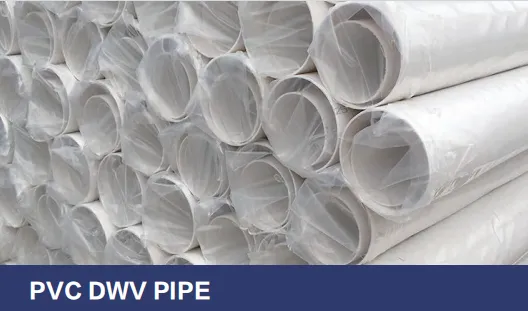
First things first: let's break down the term. PVC stands for Polyvinyl Chloride, a type of plastic known for its durability, flexibility, and resistance to corrosion. DWV, on the other hand, is an acronym that gets to the core of what these pipes do: Drain, Waste, and Vent . So, PVC DWV pipe solutions refer to a system of pipes and fittings made from PVC, designed specifically to handle the drainage of water, the removal of waste, and the venting of gases in residential, commercial, and industrial buildings. These aren't just random pipes—they're engineered to work together seamlessly, ensuring that water flows out of sinks, showers, and toilets, waste is carried away safely, and harmful gases (like methane from sewage) are vented outside instead of building up inside.
But PVC DWV pipe solutions are more than just the physical pipes. They include the expertise of a pvc dwv pipe supplier who understands how to match the right products to a project's needs, whether it's a small bathroom renovation or a large-scale commercial development. A reliable supplier doesn't just sell pipes—they provide guidance on sizing, installation best practices, and compliance with local building codes, turning a simple product into a comprehensive solution.
PVC is a synthetic plastic polymer that's been a staple in construction since the mid-20th century, and for good reason. Unlike traditional materials like cast iron or copper, PVC is lightweight, which makes it easier to transport and install—no need for heavy machinery or extra labor. It's also highly resistant to chemicals, rust, and rot, which is crucial when you're dealing with everything from soapy water to harsh cleaning agents. Plus, PVC pipes have a smooth inner surface that minimizes friction, reducing the risk of clogs from hair, food scraps, or debris. All these properties make PVC the go-to material for DWV systems, and a top choice for any residential building materials supplier or commercial building materials supplier focused on quality and efficiency.
To truly grasp PVC DWV pipe solutions, let's break down the "DWV" in more detail:
Together, these three components form a closed-loop system that's both simple and brilliant in its design. And because PVC is so versatile, it can be molded into the various shapes and sizes needed for drains, waste pipes, and vents, making it the ideal material for integrating all three functions.
At first glance, you might think PVC DWV pipes only have one job: moving water out. But their functions are far more nuanced, and each plays a critical role in keeping buildings safe, healthy, and functional.
Imagine a world where water from your shower or kitchen sink didn't drain properly. It would pool on the floor, seep into walls, and cause rot, mold, and structural damage. PVC DWV drain pipes prevent that by ensuring water flows quickly and efficiently out of the building. Their smooth interior surface is key here—unlike cast iron, which can develop rough patches over time, PVC stays smooth, reducing the chance of debris getting stuck. This is especially important in high-traffic areas like commercial kitchens, where grease and food particles are common. A commercial building materials supplier will often recommend PVC DWV drains for these spaces because they're less likely to clog, minimizing downtime for businesses.
Waste pipes don't just carry away unpleasant materials—they protect public health. Human waste contains harmful bacteria and pathogens, and if it's not removed promptly, it can lead to the spread of disease. PVC DWV waste pipes are designed to handle this safely, with airtight joints (often sealed with solvent cement) that prevent leaks. They're also sized to handle the volume of waste from multiple fixtures. For example, a residential bathroom might have a 3-inch waste pipe from the toilet, while a commercial restroom with multiple stalls could use 4-inch pipes to keep up with demand. A pvc dwv pipe supplier will help calculate the right size based on the number of fixtures and usage patterns, ensuring that waste is always moving away from the building, not lingering.
Venting is perhaps the most underrated function of PVC DWV pipe solutions, but it's vital. When you flush a toilet or run a sink, water rushes down the drain, creating a suction effect. Without a vent, this suction could pull water out of the trap under your sink, allowing sewer gases to enter your home. These gases aren't just smelly—they can be toxic. Methane, for example, is highly flammable, and hydrogen sulfide (which smells like rotten eggs) is poisonous in high concentrations. Vent pipes solve this by letting air into the system, equalizing pressure, and carrying gases up and out through the roof. In fact, building codes require vent pipes to extend at least 6 inches above the roofline to ensure gases disperse safely. A knowledgeable building material supplier will always emphasize proper venting design, as a poorly vented system can lead to everything from gurgling drains to serious health hazards.
Why do most builders and contractors choose PVC DWV over other options? Let's compare it to traditional materials to see the benefits:
| Material | Cost | Durability | Installation Ease | Chemical Resistance | Weight |
|---|---|---|---|---|---|
| PVC DWV | Low | Excellent (50+ year lifespan) | Easy (lightweight, solvent cement joints) | High (resists acids, alkalis, and most chemicals) | Lightweight |
| Cast Iron | High | Good (prone to rust over time) | Difficult (heavy, requires special tools for cutting/joining) | Moderate (rusts in acidic environments) | Very Heavy |
| Copper | Very High | Excellent (but expensive) | Moderate (requires soldering) | High (but reacts with some chemicals) | Moderate |
| ABS (Acrylonitrile Butadiene Styrene) | Medium | Good (less UV resistant than PVC) | Easy (similar to PVC, but less flexible) | Moderate (prone to damage from certain solvents) | Lightweight |
As the table shows, PVC DWV stands out for its affordability, durability, and ease of installation. For a residential building materials supplier, this means being able to offer clients cost-effective solutions that don't compromise on quality. For commercial projects, the lightweight nature of PVC reduces labor costs, and its long lifespan (50+ years with proper installation) means fewer replacements down the line—saving time and money in the long run.
Another key advantage is PVC's resistance to temperature extremes. Unlike ABS pipes, which can become brittle in cold weather, PVC remains stable in both hot and cold environments, making it suitable for regions with harsh climates. It's also 100% recyclable, which aligns with the growing demand for sustainable building practices—a major plus for eco-conscious builders and homeowners.
PVC DWV pipe solutions aren't limited to one type of building—they're versatile enough to meet the needs of almost any project. Here are some common applications:
From single-family homes to apartment complexes, PVC DWV is the backbone of residential plumbing. In kitchens, it carries away water from sinks and dishwashers; in bathrooms, it handles showers, tubs, and toilets; and in laundry rooms, it drains washing machine water. A residential building materials supplier will often recommend PVC DWV for homes because it's affordable, easy to install in tight spaces (like between walls or under floors), and requires minimal maintenance. Homeowners appreciate that it doesn't rust or corrode, so they won't have to deal with leaky pipes or water damage repairs.
Commercial buildings—restaurants, offices, shopping malls, and hotels—have high-volume plumbing needs, and PVC DWV rises to the challenge. Restaurants, for example, need pipes that can handle grease, food scraps, and frequent use, while hotels require systems that can serve dozens of rooms simultaneously. PVC's smooth interior and large diameter options (up to 12 inches or more) make it ideal for these high-traffic areas. A commercial building materials supplier will work with contractors to design systems that can handle peak usage times (like morning rush in an office building) without backups or clogs.
Schools, hospitals, and government buildings have strict safety and hygiene standards, and PVC DWV pipe solutions meet those requirements. Hospitals, for instance, need pipes that are easy to clean and resistant to chemicals used in medical waste disposal. Schools need durable systems that can withstand the wear and tear of hundreds of students. PVC's non-porous surface prevents bacteria growth, and its chemical resistance ensures it can handle disinfectants and cleaning agents without degrading. Plus, because PVC is fire-resistant (it self-extinguishes when the flame source is removed), it's a safe choice for institutional settings where fire codes are strict.
Not all PVC DWV pipe solutions are created equal, and the quality of your pipes depends largely on your supplier. Here's what to look for when choosing a pvc dwv pipe supplier:
Remember, a pvc dwv pipe supplier isn't just a vendor—they're a partner in your project's success. Choosing the right one can mean the difference between a system that works flawlessly for decades and one that causes headaches from day one.
At the end of the day, PVC DWV pipe solutions are the unsung heroes of modern construction. They quietly work behind the scenes, ensuring that our homes, offices, and public spaces are clean, safe, and functional. From draining a morning shower to venting harmful gases, these systems play a role in nearly every aspect of our daily lives—even if we rarely think about them.
Whether you're building a new home, renovating a commercial space, or working on an institutional project, investing in quality PVC DWV pipe solutions is an investment in peace of mind. By partnering with a trusted building material supplier—one that understands the unique needs of residential and commercial projects—you can ensure that your plumbing system is built to last, with the right pipes, fittings, and expertise to handle whatever comes its way.
So the next time you turn on a faucet or flush a toilet, take a moment to appreciate the PVC DWV pipes doing their job. They may not be glamorous, but they're essential—and with the right solutions, they'll keep your building running smoothly for years to come.
Recommend Products












