

Walk into any modern home, boutique hotel, or commercial building today, and you'll likely notice a striking trend: walls that blend the timeless beauty of natural stone with the practicality of cutting-edge materials. Gone are the days when achieving a rustic stone accent wall meant hauling heavy slabs or worrying about exorbitant installation costs. Enter PU stone wall panel solutions—a game-changer in the world of interior and exterior decoration materials. These panels have quickly become a favorite among architects, designers, and homeowners alike, offering the best of both worlds: aesthetic appeal and functional durability. In this guide, we'll dive deep into what PU stone wall panels are, their benefits, applications, and how they're reshaping architectural façade solutions and beyond.
At their core, PU stone wall panels are engineered decorative panels made from polyurethane (PU), a versatile polymer known for its strength, flexibility, and lightweight properties. Unlike traditional natural stone, which is quarried and cut into heavy slabs, PU stone panels are crafted in factories using a combination of polyurethane resins, mineral fillers, and pigments. This manufacturing process allows them to mimic the texture, color, and depth of natural stones like granite, limestone, or slate—right down to the subtle veins and rough-hewn edges—without the associated weight or fragility.
The magic lies in their composition: polyurethane is inherently resistant to moisture, temperature fluctuations, and impact, making these panels suitable for both indoor and outdoor use. They're also designed to be thin (typically 10–50mm thick) and lightweight, weighing just 6–12 kg per square meter—far less than natural stone, which can weigh 20–30 kg per square meter. This lightweight nature is a game-changer for installations, especially in spaces where structural load is a concern, such as older buildings or high-rise apartments.
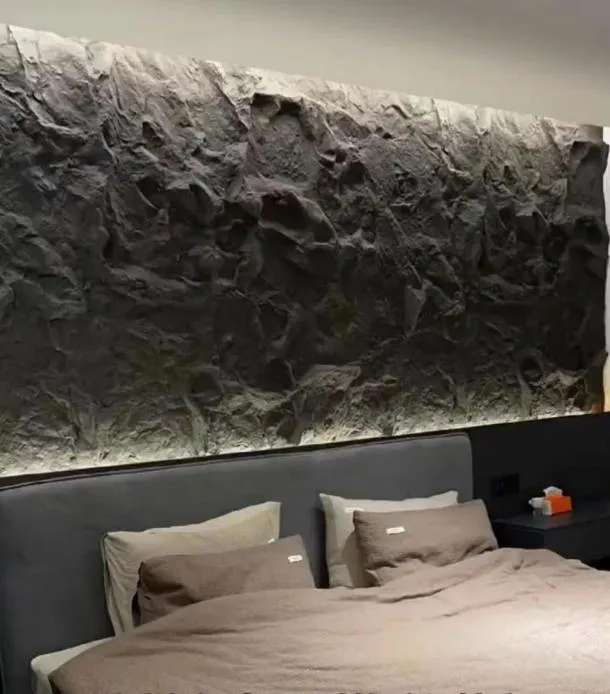
PU stone wall panels have surged in popularity not just for their looks, but for their impressive list of benefits. Let's break down why they're becoming the go-to choice for modern decoration:
One of the biggest advantages of PU stone panels is their weight—or lack thereof. Imagine hanging a stone accent wall in your living room without reinforcing the wall studs or hiring a team of laborers to lift heavy slabs. That's the reality with PU panels. Their lightweight design reduces installation time and costs, and it also minimizes stress on building structures, making them ideal for renovation projects where adding heavy materials isn't feasible.
Don't let their lightness fool you, though. These panels are built to last. Polyurethane is naturally resistant to cracking, chipping, and warping, even when exposed to harsh weather conditions (think rain, snow, or intense sunlight). Many PU panels also come with Class A or B1 fire ratings, meaning they're slow to ignite and release minimal smoke—an important safety feature for both residential and commercial spaces.
Natural stone is beautiful, but its appearance is limited by what's available in nature. PU stone panels, on the other hand, offer endless design possibilities. Manufacturers can replicate any stone texture, from the rough, uneven surface of stacked fieldstone to the smooth, uniform look of polished marble. They're also available in a wide range of colors—from earthy browns and grays to bold reds and blues—and can even be custom-matched to fit a specific design scheme.
This versatility extends to their shape and size, too. Panels can be cut into various dimensions, allowing for creative patterns like herringbone, vertical stacking, or mixed-size arrangements. Whether you're aiming for a cozy cabin vibe in a bedroom or a sleek, modern facade for a corporate office, PU stone panels can adapt to your vision.
For exterior decoration materials, durability against the elements is non-negotiable. PU stone panels excel here: their polyurethane base is inherently water-resistant, so they won't absorb moisture, rot, or develop mold—common issues with wood-based panels or even some natural stones. This makes them perfect for outdoor applications like garden walls, pool surrounds, or architectural facades, where exposure to rain, humidity, or saltwater (in coastal areas) is a concern.
UV resistance is another key feature. Unlike painted wood or some composite materials, PU panels won't fade or discolor when exposed to direct sunlight over time. Their color is integrated into the material during manufacturing, so it stays vibrant for years with minimal maintenance.
Let's talk numbers: natural stone can cost anywhere from $50 to $150 per square foot, not including installation. PU stone panels, by contrast, typically range from $15 to $40 per square foot, with installation costs cut in half thanks to their lightweight design. Factor in lower shipping fees (no need for heavy-duty trucks) and reduced labor time, and the savings add up quickly. Over the long term, their low maintenance requirements (no sealing, staining, or regular repairs) further reduce costs, making them a budget-friendly alternative to both natural stone and other synthetic materials like MCM flexible cladding.
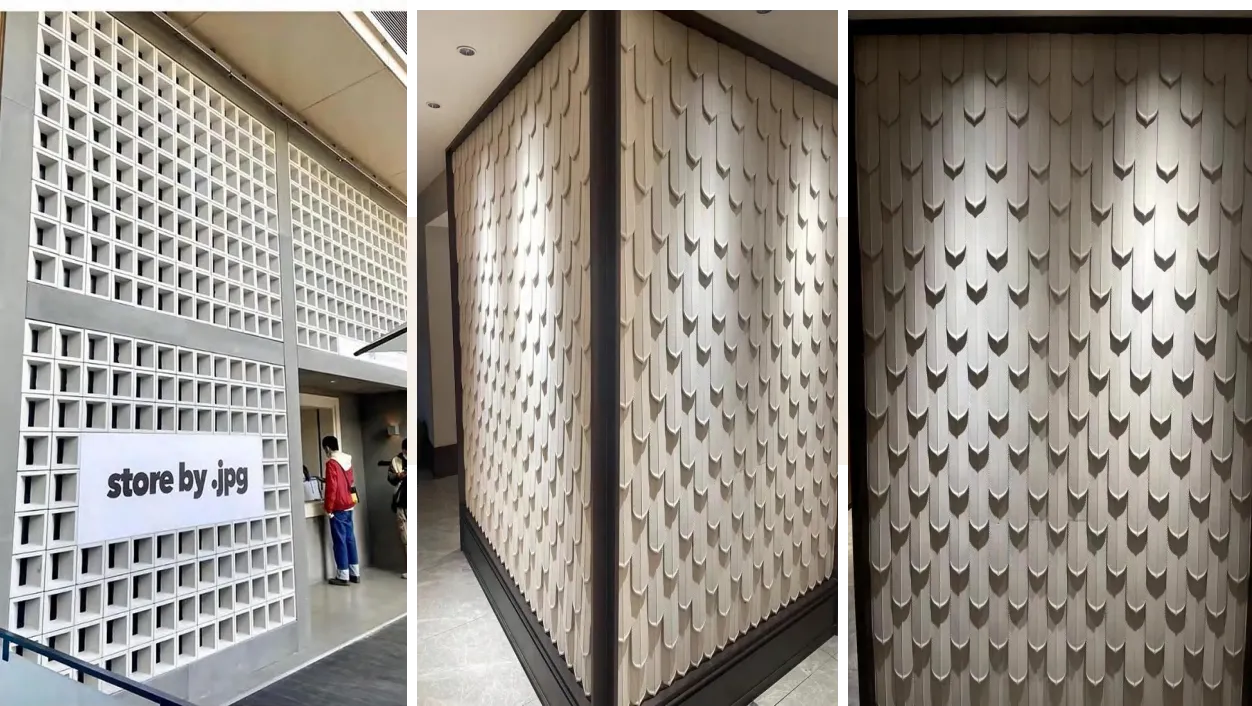
PU stone wall panels aren't limited to one type of space—their adaptability makes them suitable for a wide range of interior and exterior projects. Here are some of the most popular applications:
Inside the home, PU stone panels shine as accent walls in living rooms, bedrooms, or home offices. Imagine a cozy reading nook with a stacked stone PU panel wall behind the bookshelf, or a modern kitchen with a sleek stone backsplash that's easy to wipe clean. They're also a hit in commercial settings: restaurants use them to create warm, inviting dining areas, while retail stores leverage their texture to highlight product displays. Even hospitality spaces like hotels and spas use PU panels in lobbies and guest rooms to evoke luxury without the high cost of natural stone.
When it comes to exterior use, PU stone panels are transforming architectural façade solutions. Homeowners use them to clad entire house exteriors, replacing traditional brick or siding with a stone-like finish that boosts curb appeal. Commercial buildings, too, are embracing them for facades—think a boutique hotel with a rustic stone exterior that looks centuries old, or a modern office building with a geometric stone panel design that stands out in the city skyline.
Other outdoor applications include garden walls, patio enclosures, and even poolside accents. Their resistance to moisture and UV rays ensures they'll look as good in 10 years as they do on installation day.
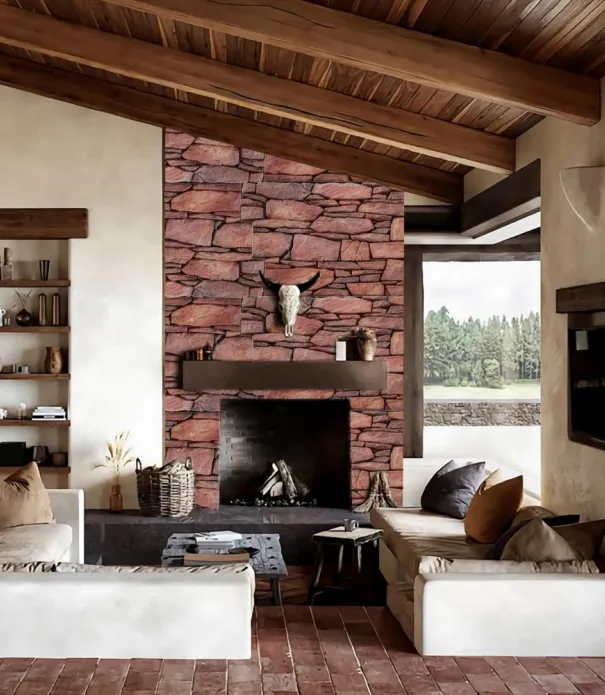
With so many cladding options on the market—from MCM flexible cladding to WPC wall panels—it's natural to wonder how PU stone panels stack up. Let's take a closer look with a side-by-side comparison:
| Feature | PU Stone Wall Panels | MCM Flexible Cladding | WPC Wall Panels | Natural Stone |
|---|---|---|---|---|
| Weight (per sq.m) | 6–12 kg | 8–15 kg | 10–18 kg | 20–30 kg |
| Durability | High (resistant to moisture, UV, impact) | High (good for facades, but less flexible) | Moderate (prone to swelling in high humidity) | Very high (but brittle and heavy) |
| Installation Ease | Easy (lightweight, adhesive or mechanical fixing) | Moderate (requires specialized tools) | Moderate (needs precise cutting) | Difficult (requires heavy lifting, structural support) |
| Cost (per sq.ft) | $15–$40 | $25–$50 | $20–$35 | $50–$150 |
| Best For | Accent walls, facades, both indoor/outdoor | Large-scale architectural facades | Moisture-prone indoor areas (e.g., bathrooms) | High-end, load-bearing structures |
As the table shows, PU stone panels strike a balance between weight, cost, and durability that's hard to beat. They're lighter than MCM and WPC, more affordable than natural stone, and versatile enough for both indoor and outdoor use—making them a top choice for anyone prioritizing both form and function.
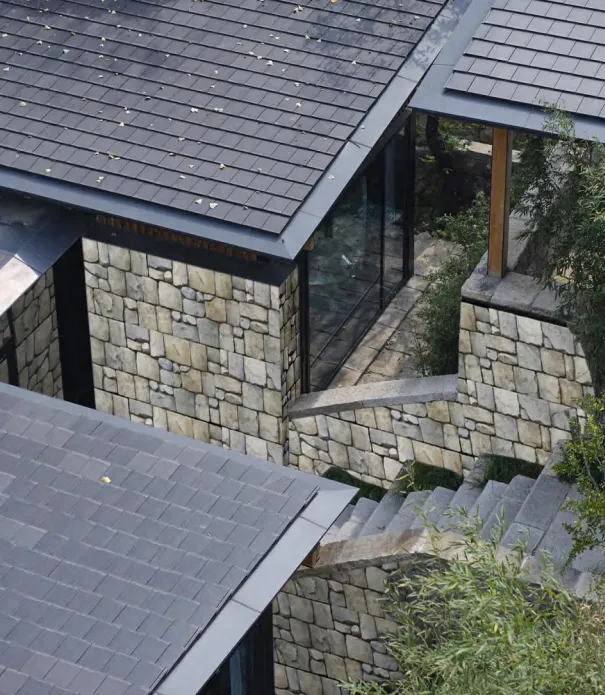
One of the biggest perks of PU stone panels is how easy they are to install—even for DIY enthusiasts, though hiring a professional is always recommended for larger projects. Here's a quick overview of the process:
Start with a clean, flat surface. Whether you're installing on drywall, concrete, or wood, the wall must be free of dust, debris, and unevenness. Fill any cracks or holes with spackle, and sand down rough spots to ensure the panels adhere properly.
Measure the wall area and mark where each panel will go. PU panels can be cut with a utility knife or jigsaw, so trimming them to fit around outlets, windows, or corners is straightforward. Always wear safety goggles and a dust mask when cutting!
Most PU panels are installed using a construction adhesive specifically designed for lightweight materials. Apply the adhesive to the back of the panel in a zigzag pattern, then press it firmly against the wall. For exterior applications or areas with high wind exposure, mechanical fixing (like screws or clips) may be used for extra security. A good PU stone wall panel supplier will often provide guidance on the best adhesive or fixing method for your project.
Some panels come with pre-spaced edges, eliminating the need for grout. If you want a more authentic stone look, though, you can apply a matching grout between the panels after installation. Wipe away excess grout with a damp sponge before it dries.
The entire process is typically faster than installing natural stone—most small accent walls can be completed in a day or two. Plus, since there's no heavy lifting involved, you'll save on labor costs, too.
Unlike natural stone, which often requires regular sealing to prevent staining, PU stone panels are low-maintenance. Here's how to keep them looking their best:
With minimal care, PU stone panels can last 15–20 years or more, making them a long-term investment in your space.
Not all PU stone panels are created equal, so selecting a reputable supplier is key to ensuring quality and performance. Here are a few factors to consider:
Product Quality: Look for suppliers who use high-grade polyurethane resins and mineral fillers. Ask for samples to test the panel's flexibility, color fastness, and texture. A reliable supplier will also provide certifications, such as fire ratings (Class A is ideal for commercial spaces) and moisture resistance test results.
Customization Options: If you have a specific design in mind—say, a unique color or texture—choose a supplier who offers customization. Many PU stone wall panel suppliers can create panels tailored to your project's needs, whether it's matching a historic building's stonework or replicating a rare natural stone pattern.
After-Sales Support: A good supplier doesn't just sell you panels—they stand behind their product. Look for companies that offer warranties (5–10 years is standard) and have a responsive customer service team to help with installation questions or issues down the line.
For those in regions like Saudi Arabia, where architectural standards and climate conditions are unique, partnering with a local or regional PU stone wall panel supplier who understands the market can make a big difference. They'll be familiar with local building codes, weather challenges (like high heat or sandstorms), and can recommend the best products for your specific environment.
As cities grow and architectural trends shift toward sustainable, cost-effective, and visually striking designs, PU stone wall panels are poised to play a bigger role in architectural façade solutions. Modern buildings are no longer just about function—they're about making a statement. PU panels allow architects to create bold, stone-like facades that are lightweight enough for high-rises, durable enough for harsh climates, and customizable enough to reflect a building's unique identity.
Take, for example, a new office complex in Riyadh: its exterior features a mix of PU stone panels in warm beige and gray tones, mimicking the look of traditional Saudi stone architecture while reducing the building's overall weight by 30% compared to natural stone. Or a boutique hotel in Dubai, where PU panels were used to clad the facade in a intricate geometric pattern, creating a dynamic visual effect that changes with the sun's position—all without the need for expensive structural reinforcements.
In short, PU stone wall panels are more than just a decoration material—they're a tool for innovation, allowing designers to push the boundaries of what's possible in architecture.
PU stone wall panels represent the perfect marriage of tradition and technology. They capture the beauty of natural stone while addressing its biggest drawbacks—weight, cost, and installation complexity. Whether you're renovating a home, designing a commercial space, or working on a large-scale architectural project, these panels offer a versatile, durable, and cost-effective solution that doesn't compromise on style.
From interior accent walls to exterior architectural façade solutions, PU stone panels are transforming how we think about decoration materials. And as more homeowners and professionals discover their benefits, it's clear they're not just a passing trend—they're the future of wall design. So, if you're ready to elevate your space with the look of stone without the hassle, it might be time to explore what a trusted PU stone wall panel supplier can offer. Your walls (and your wallet) will thank you.
Recommend Products











