
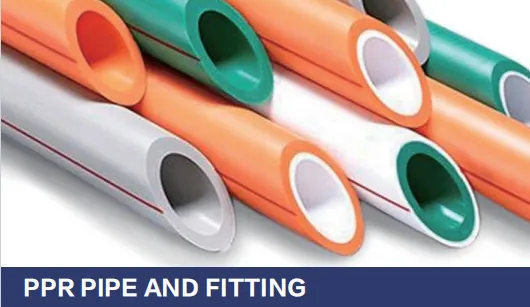
Polypropylene Random Copolymer (PPR) pipes and fittings have become a cornerstone of modern plumbing and fluid transport systems across the globe. Known for their exceptional durability, thermal resistance, and leak-proof joint integrity, ppr pipe and fitting solutions are widely adopted in residential, commercial, industrial, and agricultural settings. This article explores what PPR pipe and fitting solutions are, how they work, and the diverse applications they serve.
PPR pipes are manufactured from polypropylene random copolymer, a high-performance thermoplastic engineered for superior heat resistance, pressure tolerance, and chemical stability. Unlike traditional metal pipes that corrode over time or PVC pipes that soften at elevated temperatures, PPR pipes maintain their structural integrity across a wide range of operating conditions. The material is non-toxic, odorless, and approved for potable water applications, making it a safe choice for drinking water distribution.
PPR fittings are specially designed connectors — including elbows, tees, couplers, reducers, end caps, and valves — that complement PPR pipes to create complete piping networks. These fittings are joined to pipes using thermal fusion welding, a process that melts the pipe and fitting surfaces together to form a single, homogeneous joint. This fusion creates a permanent, leak-proof connection that is as strong as the pipe itself. As a professional building material supplier, COLORIA GROUP offers a comprehensive range of PPR pipes and fittings manufactured to meet international standards such as DIN 8077/8078 and ISO 15874.
Understanding the core properties of PPR pipes helps explain their widespread adoption across multiple industries:
PPR pipes are categorized by their pressure ratings, which determine their suitability for different applications. Selecting the correct type is essential for system performance and longevity.
| Type | Pressure Rating | Temperature Range | Typical Application |
|---|---|---|---|
| PN10 | 10 bar | Up to 60°C | Cold water supply in residential buildings |
| PN16 | 16 bar | Up to 70°C | Hot and cold water in apartments and small offices |
| PN20 | 20 bar | Up to 85°C | Commercial buildings, high-rise water distribution |
| PN25 | 25 bar | Up to 95°C | Industrial processes, heating systems, high-pressure lines |
For hot and cold water pressure piping systems in both residential and commercial settings, the pp-r hot/cold water pressure piping system offered by COLORIA GROUP provides reliable performance across all temperature ranges, ensuring consistent water delivery without the risk of leaks or contamination.
In residential construction, PPR pipes form the backbone of modern water distribution networks. Their primary applications include hot and cold potable water lines throughout the home — from kitchen sinks and bathroom fixtures to laundry rooms and outdoor taps. The non-toxic composition ensures that drinking water remains pure and free from contamination, while the scale-resistant interior maintains consistent flow rates year after year.
The thermal fusion joints provide absolute leak-proof security within walls and under floor slabs, eliminating the risk of water damage that can occur with mechanical fittings. PPR's excellent insulating properties also reduce heat loss in hot water lines, contributing to household energy efficiency. For concealed piping installations — increasingly common in modern residential design — PPR's corrosion resistance and long service life make it the preferred choice for builders and homeowners alike.
Commercial establishments — including hotels, hospitals, office buildings, and educational institutions — demand piping systems that can handle complex layouts, high usage volumes, and continuous operation. PPR pipes and fittings meet these requirements through their comprehensive range of connection components that accommodate elaborate distribution networks across multiple floors and zones.
In healthcare facilities, the material's hygienic properties and resistance to bacterial growth are particularly valuable for maintaining strict sanitation standards. For high-rise commercial buildings, PPR's pressure handling capabilities and lightweight nature simplify installation while ensuring reliable water delivery to upper floors. The reduced maintenance needs translate to minimal operational disruptions — a critical consideration for businesses where downtime directly impacts revenue.
Key Commercial Benefits: PPR systems reduce lifecycle costs by 30-50% compared to copper piping due to zero maintenance requirements and extended service life, making them an economically sound investment for large-scale commercial projects.
Beyond conventional plumbing, PPR pipes and fittings serve critical roles in industrial environments. The material's exceptional chemical resistance makes it suitable for transporting mild acids, alkalis, and various process fluids in manufacturing and processing plants. Unlike metal pipes that can corrode and contaminate transported fluids, PPR maintains fluid purity while withstanding the mechanical stresses of industrial operations.
Specific industrial applications include chemical transfer lines in processing plants, compressed air distribution networks, water treatment facilities, and food and beverage production lines where material inertness and cleanliness are mandatory. In pharmaceutical manufacturing, PPR's non-reactive properties protect sensitive products from contamination during fluid transport. The fusion-welded joints provide extra security against leaks in sensitive areas where spill containment is a regulatory requirement. As a one-stop pipes fittings solutions provider, COLORIA GROUP supplies a full spectrum of industrial-grade PPR piping components.
Modern agricultural operations increasingly rely on PPR piping for efficient water management. In greenhouse irrigation, dairy farm water lines, and crop spraying systems, PPR's corrosion resistance proves invaluable when exposed to fertilizers and agricultural chemicals that rapidly deteriorate metal pipes. The smooth interior surface prevents mineral buildup that can clog emitters and sprinklers in irrigation networks.
For livestock watering systems, the material's non-toxic nature ensures animal safety, while its durability against UV exposure (when properly protected) and soil chemicals makes it suitable for both above-ground and buried agricultural applications. PPR pipes also support drip irrigation and subsurface irrigation networks, where their resistance to soil pressure and chemical degradation ensures long-term, leak-free performance across changing seasons and harsh operating conditions.
PPR pipes and fittings excel in heating, ventilation, and air conditioning (HVAC) systems. Their high-temperature resistance makes them suitable for radiant floor heating installations, where heated water circulates through embedded pipe circuits to warm living and working spaces. The fusion-welded joints eliminate leakage risks that could damage flooring or building structures — a critical safety consideration in these applications.
In chilled water systems for air conditioning, PPR's low thermal conductivity and condensation resistance help maintain cooling efficiency. For solar water heating systems, PPR pipes can withstand the elevated temperatures generated by solar collectors while resisting scale buildup that would otherwise reduce heat transfer efficiency over time. The material's compatibility with glycol-based heat transfer fluids — which can accelerate corrosion in metallic piping — makes PPR an excellent choice for closed-loop solar thermal installations.
Proper installation is essential to realizing the full benefits of PPR piping systems. The following practices ensure long-term reliability:
Choosing the right supplier is as important as selecting the right pipe specifications. A dependable supplier ensures that the PPR pipes and fittings meet international quality standards, come with proper certification, and are backed by technical support. Key factors to consider when evaluating suppliers include: manufacturing certifications (ISO, DIN compliance), availability of complete product ranges including all fitting types and sizes, consistent product quality across batches, competitive pricing without compromising on material grade, and responsive after-sales support for installation guidance.
COLORIA GROUP, as a comprehensive building materials provider headquartered in Foshan, China, offers a complete range of PPR piping solutions alongside 13 other product categories — from walls and flooring to elevators and solar panels. This one-stop capability allows project managers and contractors to streamline procurement by sourcing multiple building material categories from a single trusted partner, reducing supply chain complexity and ensuring consistent quality across the entire project.
Conclusion: PPR pipe and fitting solutions represent a mature, reliable technology for fluid transport across residential, commercial, industrial, and agricultural applications. Their combination of thermal resistance, corrosion immunity, leak-proof fusion joints, and 50-plus-year service life makes them a superior alternative to traditional metal and PVC piping systems. Whether for a single-family home, a high-rise commercial tower, an industrial processing plant, or an agricultural irrigation network, PPR pipes deliver the performance, safety, and longevity that modern infrastructure demands. Partnering with an experienced building material supplier like COLORIA GROUP ensures access to quality-certified products, complete system compatibility, and the technical expertise needed to execute successful projects at any scale.
Recommend Products












