
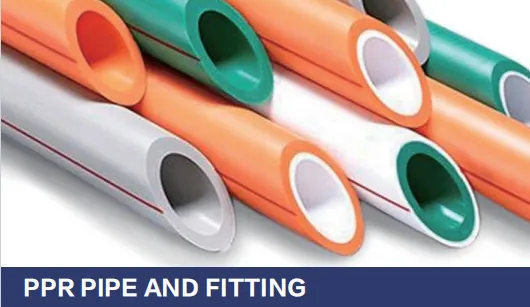
Walk into any home, office, hospital, or school, and behind the walls, under the floors, or along the ceilings, there's a silent network working tirelessly to keep things running smoothly: the plumbing system. It's the unsung hero that delivers clean water for your morning coffee, carries away waste, and ensures hot showers stay hot. But not all plumbing materials are created equal. In recent years, one solution has risen to prominence for its reliability, durability, and versatility: PPR pipe and fitting solutions. Whether you're a homeowner planning a renovation, a contractor building a new commercial space, or a project manager sourcing materials for a hospital, understanding what PPR pipes and fittings offer can save you time, money, and headaches down the line. Let's dive into the world of PPR—what it is, why it matters, and how it can transform the way we build and maintain our spaces.
First things first: What does "PPR" even stand for? PPR is short for Polypropylene Random Copolymer, a type of plastic polymer known for its strength, flexibility, and resistance to heat and chemicals. Unlike traditional materials like galvanized steel or copper, PPR is a modern solution engineered to address the flaws of older piping systems—think rust, corrosion, and high maintenance costs. But what makes PPR different from other plastics, like PVC or PE? The "random copolymer" part is key. In simple terms, PPR is made by blending polypropylene with other polymers in a random structure, which gives it enhanced toughness and heat resistance compared to regular polypropylene (PP) pipes. This unique composition makes it ideal for both hot and cold water systems, a versatility that's hard to beat.
The manufacturing process of PPR pipes starts with raw materials: high-quality polypropylene resin, stabilizers to resist UV rays and heat, and colorants (most commonly white or gray, though custom colors are available). These ingredients are mixed, melted, and extruded through a die to form pipes of various diameters. Fittings—elbows, tees, couplings, valves, and more—are made using injection molding, where molten PPR is injected into precision molds to create the exact shapes needed to connect pipes. The result? A system where pipes and fittings are chemically compatible, ensuring a seamless, leak-proof bond when joined correctly. This attention to detail in manufacturing is why reputable PPR pipe and fitting suppliers emphasize quality control, often subjecting their products to rigorous testing for pressure, temperature, and durability.
If you're wondering why PPR has become a go-to choice for modern plumbing, let's break down its biggest benefits. These advantages aren't just technical—they translate to real-world comfort, safety, and cost savings for everyone involved.
Steel pipes rust. Copper can corrode when exposed to certain water chemicals. PPR? It's impervious to rust, corrosion, and scaling. That means no more clogged pipes from mineral buildup, no more contaminated water from rust particles, and no need for frequent replacements. This is especially critical in areas with hard water or in commercial settings like hospitals, where water purity is non-negotiable. Even harsh cleaning chemicals won't damage PPR, making it a low-maintenance option for busy spaces.
Ever noticed how some plastic pipes warp or melt when used for hot water? PPR handles heat like a pro. Most PPR pipes can withstand continuous temperatures of up to 70°C (158°F) and short bursts of up to 95°C (203°F), depending on the pressure rating. This makes them perfect for residential hot water lines, commercial kitchens, and even radiant floor heating systems. Compare that to PVC, which is typically only used for cold water, and you'll see why PPR is a more versatile choice.
A plumbing system is an investment, and you want it to last. PPR delivers on that front with a lifespan of 50 years or more when installed properly. That's decades of reliable service without worrying about leaks, cracks, or degradation. In fact, many PPR pipe and fitting suppliers back their products with warranties of 10–20 years, a testament to their confidence in the material's durability. For homeowners, that means peace of mind; for commercial builders, it means lower long-term maintenance costs.
Let's talk about installation—something contractors and DIYers alike care about. PPR pipes and fittings use a "heat fusion" method, where the ends of the pipe and fitting are heated with a special tool, then pressed together to form a permanent bond. No soldering, no glue, no messy threading. This process is quick (each joint takes just a few minutes), requires minimal training, and reduces the risk of human error. Plus, PPR is lightweight—about 70% lighter than copper—so and handling are a breeze, even in tight spaces like crawl spaces or ceiling cavities. All of this adds up to faster project timelines and lower labor costs, which is why residential building materials suppliers and commercial building materials suppliers often recommend PPR for tight deadlines.
At first glance, PPR might seem pricier than PVC, but don't let the upfront cost fool you. When you factor in installation labor, maintenance, and replacement expenses over time, PPR often comes out ahead. Copper pipes, for example, require skilled plumbers for soldering and are prone to pinhole leaks, leading to costly repairs. PPR's low maintenance, long lifespan, and easy installation mean you'll spend less money over the life of the system. It's an investment that pays off, whether you're building a single-family home or a large-scale commercial complex.
Not all PPR pipes and fittings are the same. Just like shoes come in different sizes and styles for different needs, PPR systems are designed to handle various pressures, temperatures, and applications. Understanding the options available will help you choose the right solution for your project.
PPR pipes are classified by their pressure ratings, measured in bars (PN, which stands for "Pressure Nominal"). The most common ratings are PN10, PN16, and PN20, though higher ratings exist for specialized industrial use. The pressure rating indicates the maximum pressure the pipe can handle at a given temperature. For example, a PN16 pipe can withstand 16 bars of pressure at 20°C (68°F), but that capacity decreases as temperature rises (at 70°C, it drops to around 6 bars). Here's a quick breakdown of how these ratings translate to real-world use:
| Pressure Rating (PN) | Max Pressure at 20°C | Max Pressure at 70°C | Common Applications |
|---|---|---|---|
| PN10 | 10 bar (145 psi) | 4 bar (58 psi) | Cold water systems, low-pressure hot water (e.g., residential bathrooms) |
| PN16 | 16 bar (232 psi) | 6 bar (87 psi) | Residential and commercial hot water systems, radiant heating |
| PN20 | 20 bar (290 psi) | 8 bar (116 psi) | High-rise buildings, industrial processes, high-pressure hot water |
Choosing the right pressure rating is crucial. Using a PN10 pipe in a high-pressure commercial system could lead to bursts, while overspending on a PN20 pipe for a simple residential cold water line is unnecessary. A trusted PPR pipe and fitting supplier can help you match the rating to your project's specific needs.
PPR pipes come in a range of diameters, typically measured in millimeters (mm). For residential use, common sizes include 20mm (3/4 inch), 25mm (1 inch), and 32mm (1 1/4 inch) for water lines. Larger sizes, like 50mm, 63mm, and 110mm, are used for main supply lines in commercial buildings or industrial applications. The size you need depends on factors like water flow rate (how many fixtures are connected) and the distance the water needs to travel. For example, a kitchen sink might use a 20mm pipe, while a commercial laundry facility with multiple washing machines would require 63mm or larger.
Pipes are the backbone of a plumbing system, but fittings are the joints that hold it all together. PPR fittings come in dozens of shapes and sizes to accommodate every possible configuration: elbows (90-degree and 45-degree) for turning corners, tees for splitting lines, couplings for connecting two pipes of the same size, reducers for connecting different sizes, and valves to control flow. There are also specialized fittings like manifolds (for radiant heating systems), flanges (for connecting to other materials), and check valves (to prevent backflow). The key is that all these fittings are made from the same PPR material as the pipes, ensuring compatibility and a strong, leak-proof bond when fused.
PPR pipe and fitting solutions aren't limited to one type of project—they're versatile enough to handle everything from a small bathroom remodel to a sprawling hospital complex. Let's explore some of the most common applications where PPR is the top choice.
For homeowners, nothing beats the peace of mind that comes with a plumbing system you don't have to think about. PPR is perfect for residential use, whether you're building a new house or upgrading an old plumbing system. In kitchens, PPR pipes deliver clean water to sinks and dishwashers without the risk of rust affecting taste. In bathrooms, they handle hot showers and tubs with ease, resisting the heat and moisture that can degrade other materials. Even in basements or utility rooms, PPR's resistance to freezing (when properly insulated) makes it a smart choice for areas prone to cold snaps. It's no wonder residential building materials suppliers often highlight PPR as a top recommendation for modern homes—its durability means fewer callouts to plumbers and more time enjoying your space.
Commercial buildings—offices, hotels, shopping malls, and restaurants—put plumbing systems under constant stress. Think about a busy hotel: hundreds of guests using showers, sinks, and toilets daily. PPR's ability to handle high water flow and resist wear and tear makes it ideal for these environments. Hotels also benefit from PPR's quiet operation—unlike metal pipes, which can creak and bang when water flows through them, PPR muffles sound, contributing to a more peaceful guest experience. Restaurants, too, rely on PPR for kitchen lines, where resistance to grease and cleaning chemicals is a must. For commercial building materials suppliers, PPR is a staple because it meets the strict performance standards of large-scale projects while keeping installation and maintenance costs manageable.
Hospitals, schools, and childcare centers have zero tolerance for plumbing failures. Contaminated water or leaks can put lives at risk, which is why these facilities demand materials that prioritize safety and hygiene. PPR delivers on both fronts. Its smooth inner surface prevents the buildup of bacteria (unlike galvanized steel, which can harbor germs), making it compliant with health codes for medical facilities. Additionally, PPR is non-toxic and doesn't leach chemicals into the water, ensuring safe drinking water for students and patients. In schools, where budgets are tight and maintenance staff is stretched thin, PPR's low upkeep needs are a major plus—no more spending precious funds on rust removal or pipe replacements.
Beyond residential and commercial, PPR finds use in industrial settings like factories, where it transports chemicals, coolants, and process water. Its chemical resistance makes it suitable for handling mild acids and alkalis, and its heat resistance works well in temperature-controlled industrial processes. Even agricultural projects, such as irrigation systems, use PPR for its durability in outdoor environments (when protected from direct sunlight, as UV rays can degrade the material over time). For these specialized needs, PPR pipe and fitting suppliers often offer custom solutions, including pipes with thicker walls or reinforced layers for extra strength.
While professional installation is always recommended for large projects, understanding the basics of how PPR systems go together can help you communicate better with contractors and ensure the job is done right. Here's a simplified overview of the heat fusion process, the most common method for joining PPR pipes and fittings:
Start by cutting the pipe to length with a pipe cutter. Make sure the cut is perpendicular to the pipe's axis—an angled cut can lead to weak joints. Next, use the deburring tool to smooth the inner and outer edges of the pipe; sharp edges can damage the fusion tool or prevent a tight seal. Clean the pipe and fitting with a dry cloth to remove dust, dirt, or moisture—any contaminants can weaken the bond.
Set the heat fusion machine to the recommended temperature (check the manufacturer's guidelines for your specific PPR product). Once heated, place the pipe end into the machine's pipe socket and the fitting into the corresponding fitting socket. Hold them in place for the specified time (usually 5–15 seconds, depending on pipe size). The goal is to melt the outer surface of the pipe and the inner surface of the fitting until they're soft and slightly molten.
Quickly remove the pipe and fitting from the heat machine and push them together firmly, twisting slightly to ensure even distribution of the molten material. Hold them in place for the cooling time (another 5–15 seconds), allowing the joint to solidify. Avoid moving or stressing the joint during cooling—this can cause leaks later. Once cooled, the joint is permanent and as strong as the pipe itself.
Even with the right tools, mistakes can happen. Here are a few to watch out for: heating the pipe or fitting for too long (which can burn the material), not pushing them together firmly enough (leading to weak bonds), or moving the joint while it's cooling. It's also crucial to use the correct size socket for the pipe diameter—using a socket that's too big or small will result in an improper fusion. For complex projects, hiring a certified installer familiar with PPR is always the safest bet.
One of the best things about PPR pipe and fitting solutions is how little maintenance they require. But "low maintenance" doesn't mean "no maintenance." Taking a few simple steps can ensure your PPR system lasts the full 50+ years it's designed for.
While PPR is durable, it's still a good idea to inspect visible pipes and fittings periodically for signs of damage. Look for cracks, bulges, or discoloration—these can indicate issues like excessive pressure or chemical exposure. In hidden areas (like walls or ceilings), keep an eye out for water stains, which might signal a leak in a concealed joint. Catching problems early can prevent small issues from turning into major repairs.
PPR pipes can withstand cold temperatures, but they're not immune to freezing. When water freezes, it expands, which can crack pipes. To prevent this, insulate PPR pipes in unheated areas like attics, crawl spaces, and garages. Use foam pipe insulation sleeves, and seal any gaps where cold air might seep in. In extreme cold, letting faucets drip slightly can also help—moving water is less likely to freeze.
While PPR resists most household chemicals, some strong solvents (like acetone or concentrated acids) can degrade the material. If you're using harsh cleaners near PPR pipes, make sure to rinse the area thoroughly afterward. In industrial settings, always check with your PPR pipe and fitting supplier to ensure the pipes are compatible with the chemicals being transported.
With proper care, PPR pipes and fittings shouldn't need replacement for decades. However, if you notice persistent leaks, severe discoloration, or a drop in water pressure despite other fixes, it might be time to consult a professional. In most cases, only the damaged section needs replacing, thanks to PPR's modular design—no need to tear out the entire system.
To truly appreciate PPR, it helps to compare it to other common piping materials. Let's see how it measures up against the competition.
Copper has been a plumbing staple for decades, and for good reason—it's strong and conducts heat well. But copper has downsides: it's expensive, heavy, and prone to corrosion in acidic water. PPR, on the other hand, is lighter, cheaper, and corrosion-proof. Installation is also faster with PPR, as heat fusion requires less skill than soldering copper. The main advantage copper has is higher heat resistance (it can handle temperatures above 100°C), but for most residential and commercial applications, PPR's 95°C limit is more than enough.
PVC (Polyvinyl Chloride) is another plastic piping material, often used for cold water and drainage. It's cheap and easy to install, but it can't handle hot water (temperatures above 40°C can cause it to warp). PPR, with its heat resistance, is a better choice for hot water lines. PVC also tends to be more brittle than PPR, making it prone to cracking in freezing temperatures or under impact.
PEX (Cross-Linked Polyethylene) is similar to PPR in that it's flexible and heat-resistant. PEX is often used for radiant heating systems because of its bendability, which allows for fewer joints. However, PPR has a higher pressure rating and is more rigid, making it better for main supply lines. PEX is also sensitive to UV light and can't be used outdoors without protection, whereas PPR (with UV stabilizers) can handle short-term outdoor exposure. Ultimately, the choice between PPR and PEX depends on the project—many contractors use both, pairing PEX for flexible loops and PPR for straight, high-pressure runs.
Galvanized steel was once the go-to for water lines, but it's largely fallen out of favor. Steel pipes rust from the inside out, narrowing the diameter and reducing water flow over time. They're also heavy, hard to install, and expensive. PPR eliminates all these issues—no rust, no heavy lifting, and lower costs. The only scenario where steel might still be preferred is in extremely high-pressure industrial settings, but even then, PPR is gaining ground with higher-pressure-rated options.
Great PPR pipes and fittings are only as good as the supplier who provides them. With so many options on the market, how do you separate the reliable suppliers from the rest? Here are key factors to consider:
Reputable PPR pipe and fitting suppliers will have their products tested and certified by third-party organizations. Look for certifications like ISO 9001 (quality management), ISO 14001 (environmental management), and national standards such as ASTM (in the US) or DIN (in Europe). For healthcare or food-related projects, certifications for hygiene (like WRAS approval in the UK) are a must. These certifications ensure the products meet strict safety and performance criteria.
A good supplier should offer a full range of PPR pipes, fittings, and accessories—different sizes, pressure ratings, and specialized components. This saves you time and hassle, as you can source everything from one place. Some suppliers even provide custom solutions, like pre-insulated pipes for cold climates or colored pipes for easy system identification (red for hot water, blue for cold, for example).
Plumbing projects can get complicated, and you don't want to be left guessing. The best suppliers offer technical support—engineers or experts who can help you select the right products, calculate pressure requirements, or troubleshoot installation issues. This is especially valuable for large commercial projects, where a single mistake can be costly. One-stop architectural solution providers often excel here, as they integrate PPR solutions with other building materials, offering a holistic approach to project planning.
Do your homework: check online reviews, ask for references, and talk to other contractors or builders. A supplier with a track record of delivering on time, honoring warranties, and resolving issues quickly is worth their weight in gold. Avoid suppliers with vague product descriptions or unresponsive customer service—these are red flags for poor quality.
In today's world, sustainability matters. Look for suppliers who prioritize eco-friendly manufacturing—using recycled materials, reducing waste, or minimizing energy use. PPR itself is recyclable, so choosing a supplier with a take-back program for scrap materials can further reduce your project's environmental impact.
Sometimes, seeing real-world examples helps drive home why PPR matters. Let's look at two case studies where PPR pipe and fitting solutions made a tangible difference.
A 150-room luxury hotel in Riyadh, Saudi Arabia, was undergoing a full plumbing renovation. The goal was to upgrade from outdated copper pipes to a system that would reduce maintenance costs and improve guest comfort. The project manager chose PPR pipes and fittings for several reasons: the ability to handle high hot water demand, resistance to corrosion in the area's hard water, and quick installation time (critical for minimizing downtime). Working with a local PPR pipe and fitting supplier, the team installed PN16 pipes throughout the hotel, including in guest rooms, kitchens, and spa facilities. The result? A 40% reduction in plumbing-related maintenance calls in the first year, and guests reported quieter, more consistent water flow. The hotel also saved on labor costs, as the heat fusion installation was faster than soldering copper.
A children's hospital in Dubai needed to expand its facilities, adding a new wing with 50 beds, operating rooms, and a pediatric intensive care unit (PICU). Hygiene and safety were top priorities—any risk of water contamination was unacceptable. The project team selected PPR for the new plumbing system, citing its smooth inner surface (which resists bacterial growth) and non-toxic material. The supplier provided specialized PPR fittings with antimicrobial additives, an extra layer of protection for vulnerable patients. The system also had to handle both hot and cold water lines, as well as medical gas lines in some areas. Thanks to PPR's versatility, the team was able to use a single material for multiple applications, simplifying sourcing and installation. Today, the new wing's plumbing system runs flawlessly, with no issues reported in its first two years of operation.
As technology advances, so does PPR. Manufacturers and suppliers are constantly finding ways to make PPR even more efficient, sustainable, and adaptable. Here are a few trends to watch:
New formulations of PPR are pushing the limits of heat resistance, with some products now able to handle continuous temperatures up to 95°C (203°F). This opens up new applications, like industrial processes or solar water heating systems, where higher temperatures were once a barrier.
Imagine pipes that can alert you to leaks before they cause damage. Some suppliers are experimenting with PPR pipes embedded with sensors that monitor pressure, temperature, and flow, sending data to a central system. This "smart plumbing" could revolutionize maintenance, allowing for predictive repairs and reducing water waste.
Sustainability is driving innovation in PPR manufacturing. Companies are developing bio-based PPR, using plant-derived polymers instead of fossil fuels. Others are adding recycled content to pipes without sacrificing performance. These efforts are making PPR an even greener choice for environmentally conscious projects.
Prefabricated building systems—where components are built off-site and assembled on-site—are growing in popularity. PPR's lightweight and modular design makes it ideal for prefab plumbing, where pipes and fittings can be assembled in a factory and shipped ready to install. This reduces on-site labor time and minimizes waste, aligning with the efficiency goals of modern construction.
At the end of the day, plumbing is about more than just pipes and water—it's about the comfort, safety, and functionality of the spaces we live, work, and heal in. PPR pipe and fitting solutions represent a shift toward smarter, more reliable building materials that prioritize longevity, efficiency, and peace of mind. Whether you're a homeowner, contractor, or project manager, choosing PPR means investing in a system that works for you, not against you. It means fewer leaks, lower bills, and more time focusing on what matters most. And with the support of a trusted PPR pipe and fitting supplier—one that offers quality products, technical expertise, and a commitment to service—you can feel confident that your plumbing system will stand the test of time. So the next time you turn on the tap or step into a hot shower, take a moment to appreciate the silent network of PPR pipes working behind the scenes. They may not be visible, but their impact on our daily lives is undeniable.
Recommend Products












