
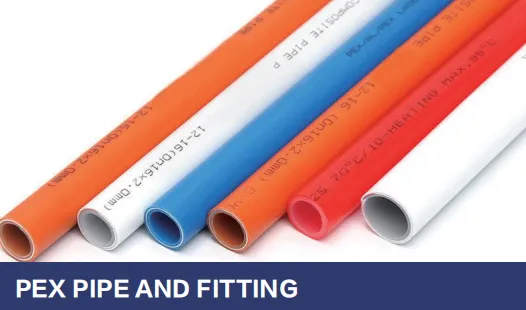
Picture this: You're standing in the middle of a construction site, whether it's a cozy new home being built in the suburbs or a sprawling commercial complex in the heart of the city. The air smells of fresh lumber and drywall, and everywhere you look, teams of workers are focused on turning blueprints into reality. Among the chaos, one question looms large for the plumbing contractor: What pipes should we use for the water supply? For decades, the answer might have been copper or galvanized steel—reliable, but heavy, expensive, and tricky to install. But walk onto that same site today, and chances are, you'll hear a different term tossed around: PEX. Short for cross-linked polyethylene, PEX pipe and fitting solutions have revolutionized the plumbing industry, becoming the go-to choice for residential and commercial projects alike. But what exactly are these solutions, and why have they become so indispensable? Let's dive in.
At its core, a "PEX pipe and fitting solution" refers to a complete system of pipes and connectors designed to transport water (and in some cases, other fluids) in buildings. Unlike traditional materials, PEX is a flexible, plastic-based product that's been treated with a chemical process to "cross-link" its molecules—think of it like weaving a tighter, stronger net out of plastic strands. This cross-linking gives PEX pipes remarkable durability, flexibility, and resistance to temperature extremes, making them ideal for everything from home plumbing to radiant heating systems. But a PEX solution isn't just about the pipes; it also includes the fittings, valves, and accessories that connect those pipes, ensuring a leak-free, long-lasting system. For contractors, builders, and even DIY enthusiasts, these solutions represent more than just materials—they're a promise of efficiency, cost-savings, and peace of mind.
To understand PEX pipe and fitting solutions, we first need to get to know the star of the show: the PEX pipe itself. PEX is a type of thermoplastic pipe made from polyethylene, a common plastic used in everything from plastic bags to milk jugs. But what sets PEX apart is that "cross-linking" process we mentioned earlier. During manufacturing, the polyethylene molecules are chemically or physically bonded (cross-linked) to form a three-dimensional network. This transformation turns a soft, pliable plastic into a material that can withstand high pressure, extreme temperatures, and the wear and tear of daily use.
One of the first things you'll notice about PEX pipe is its flexibility. Unlike rigid copper or PVC pipes, PEX can bend and curve around corners, joists, and studs without the need for elbow fittings or complicated bends. Imagine trying to snake a copper pipe through a tight crawl space under a house—you'd need a handful of fittings and a lot of patience. With PEX, you can often bend the pipe by hand, reducing the number of connections and the risk of leaks. It's lightweight too, which makes transporting and installing it a breeze compared to hauling heavy metal pipes. These traits alone have made PEX a favorite among installers, but there's more to love.
Not all PEX pipes are created equal. There are three main types—PEX-A, PEX-B, and PEX-C—each with its own manufacturing process and set of characteristics. Understanding the differences is key to choosing the right PEX pipe and fitting solution for your project.
Comparison of PEX Pipe Types (A, B, C)
| PEX Type | Manufacturing Process | Flexibility | Cost | Installation Method | Temperature Resistance | Best For |
|---|---|---|---|---|---|---|
| PEX-A | Engel method (peroxide cross-linking) | Highest flexibility; can bend up to 90° without kinking | Higher cost | Expansion fittings (most common) | Up to 200°F (93°C) | Radiant heating, tight spaces, retrofits |
| PEX-B | Silane method (moisture-cured cross-linking) | Moderate flexibility; stiffer than PEX-A | Most affordable | Crimp or clamp fittings | Up to 180°F (82°C) | Residential water supply, standard plumbing |
| PEX-C | Electronic irradiation cross-linking | Similar to PEX-B | Mid-range cost | Crimp or clamp fittings | Up to 180°F (82°C) | Commercial projects, cold water lines |
PEX-A is often considered the gold standard for flexibility. Made using the Engel method (a peroxide-based cross-linking process), it can be bent into tight loops without cracking or kinking—a huge advantage when installing pipes in walls or under floors. PEX-B, the most widely available type, is made via the silane method, which is more cost-effective. While it's slightly stiffer than PEX-A, it's still far more flexible than copper or PVC, and it's the go-to choice for most residential plumbing jobs. PEX-C, produced using electronic irradiation, falls somewhere in the middle in terms of flexibility and cost, and is commonly used in commercial applications where durability is key.
So why have PEX pipe and fitting solutions taken the construction world by storm? Let's break down their biggest selling points:
We've touched on this, but it's worth emphasizing: PEX pipes are incredibly flexible. A 20-foot length of PEX can be coiled up like a garden hose, making it easy to transport and install in tight spaces. This flexibility reduces the need for elbow fittings—those small, often leak-prone connectors that copper pipes require to navigate corners. For example, in a new home, a plumber might run a single length of PEX from the water heater to a bathroom, bending it around floor joists instead of cutting and connecting multiple copper pipes. Fewer fittings mean fewer potential leak points, which translates to lower maintenance costs and fewer headaches down the line.
Anyone who's lived in a cold climate knows the horror of a frozen pipe bursting in the winter. Water expands when it freezes, and rigid pipes like copper or PVC can crack under the pressure. PEX, however, has some give. Thanks to its flexibility, a PEX pipe can expand up to 50% of its diameter when frozen, then shrink back to its original size once thawed—often without bursting. This makes PEX a lifesaver in regions with harsh winters, where frozen pipes are a common problem. It's no wonder residential building materials suppliers in cold-weather areas often recommend PEX as a first-choice plumbing solution.
Let's talk numbers. Copper pipes have long been the benchmark for plumbing, but they come with a steep price tag—often two to three times the cost of PEX. And that's just the material cost; copper is also heavier and harder to install, which means higher labor costs. PEX, on the other hand, is lightweight and quick to install, even for less experienced plumbers. A study by the Plumbing-Heating-Cooling Contractors Association (PHCC) found that installing PEX can save up to 40% on labor costs compared to copper. For large commercial projects, those savings can add up to tens of thousands of dollars. Even for homeowners tackling a bathroom remodel, PEX offers a budget-friendly alternative without sacrificing quality.
Copper pipes are prone to corrosion over time, especially in areas with hard water. Corrosion can lead to pinhole leaks, discolored water, and even health risks if copper levels in drinking water rise too high. PEX, being a plastic, is completely resistant to corrosion. It also doesn't develop scale buildup—the mineral deposits that can clog pipes and reduce water pressure. This resistance means PEX pipes maintain their flow rate over decades, requiring less maintenance and fewer replacements. For commercial buildings like hospitals or schools, where reliable water flow is critical, this is a game-changer.
A PEX pipe and fitting solution is only as good as its fittings. After all, even the best pipe will fail if the connections between sections are weak. PEX fittings come in a variety of shapes, sizes, and materials, each designed to join pipes, redirect water flow, or connect to fixtures like faucets and water heaters. Let's take a closer look at the most common types:
Crimp fittings are the most widely used type of PEX fitting, especially for PEX-B and PEX-C pipes. They consist of a metal ring (usually copper) and a plastic or brass fitting. The installer slides the ring over the end of the PEX pipe, inserts the fitting into the pipe, then uses a crimping tool to squeeze the ring tight around the pipe and fitting. This creates a watertight seal. Crimp fittings are affordable, easy to install, and widely available at most hardware stores. They're a favorite among DIYers and professionals alike for residential projects.
Clamp fittings, also known as "cinch" fittings, work similarly to crimp fittings but use a stainless steel clamp instead of a copper ring. The clamp is placed over the pipe and fitting, then tightened with a special tool that looks like a pair of pliers. One advantage of clamp fittings is that they can be inspected after installation—you can see if the clamp is properly seated, whereas crimp rings can hide imperfections. They're also reusable in some cases, making them a good choice for temporary installations or repairs.
Expansion fittings are designed specifically for PEX-A pipes, which are more flexible and can be expanded. The process involves using an expansion tool to stretch the end of the PEX pipe, then inserting a fitting into the expanded section. As the pipe cools, it contracts back around the fitting, creating a tight, secure seal. Expansion fittings are popular for their reliability—they're less likely to leak than crimp or clamp fittings, especially in high-pressure systems. However, they require specialized tools, which can make them more expensive for small projects.
Push-fit fittings are the newest kid on the block, and they're gaining popularity for their speed and simplicity. These fittings have a rubber O-ring inside that creates a seal when the PEX pipe is pushed into the fitting. No tools are needed—just insert the pipe and twist until it locks into place. Push-fit fittings are ideal for quick repairs or for DIYers who don't have crimping or expansion tools. They're also removable, making them easy to adjust if you make a mistake during installation.
Even the best PEX pipe and fitting solution will fail if installed incorrectly. Here are some key tips to ensure a successful installation:
Invest in quality tools. For crimp fittings, you'll need a crimping tool that matches the size of your rings (most commonly ½-inch or ¾-inch for residential use). For expansion fittings, an expansion tool is a must—don't try to expand PEX-A by hand! And always use a pipe cutter to cut PEX pipes; a hacksaw can leave rough edges that damage fittings.
PEX is flexible, but it's not indestructible. Sharp bends can weaken the pipe over time, while kinks can restrict water flow. Most PEX manufacturers recommend a minimum bend radius (e.g., 5 times the pipe diameter for ½-inch PEX). If you need to make a tight turn, use a fitting instead of forcing the pipe to bend.
PEX pipes are sensitive to ultraviolet (UV) light, which can cause them to degrade over time. Never leave PEX pipes exposed to sunlight for extended periods—if you're installing them outdoors (e.g., for a sprinkler system), use UV-protected PEX or cover the pipes with insulation or tape.
Once the PEX system is installed, always pressure-test it before covering the pipes with drywall or insulation. Most codes require testing at 80-100 psi for 24 hours to check for leaks. A small leak now can turn into a major problem later, so take the time to test thoroughly.
PEX pipe and fitting solutions aren't limited to just drinking water systems. Their versatility makes them suitable for a wide range of applications:
This is where PEX got its start, and it's still its most common use. From supplying water to kitchens and bathrooms to connecting appliances like washing machines and dishwashers, PEX is the top choice for new homes and renovations. Its flexibility makes it easy to run pipes through walls, floors, and ceilings, even in older homes with tight spaces.
PEX is ideal for radiant floor heating, where pipes are installed under floors to heat rooms from the ground up. The flexibility of PEX allows for even spacing of pipes, ensuring consistent heat distribution. PEX can also handle the high temperatures (up to 180°F) required for radiant heating, making it more durable than PVC or CPVC in this application.
Commercial projects, from office buildings to hotels, are increasingly turning to PEX. Its cost-effectiveness and quick installation make it a favorite for large-scale projects, while its corrosion resistance ensures reliability in high-traffic areas. Some commercial buildings even use PEX for snow melting systems, where pipes installed under driveways or walkways circulate warm water to melt snow and ice.
The lightweight, flexible nature of PEX makes it perfect for mobile homes and RVs, where space is limited and weight is a concern. PEX pipes can withstand the vibrations and movement of these vehicles better than rigid copper pipes, reducing the risk of leaks on the road.
To truly appreciate PEX pipe and fitting solutions, it helps to compare them with other common pipe materials:
Copper has been the standard for decades, but PEX offers several advantages: lower cost, easier installation, flexibility, and corrosion resistance. Copper is still a good choice for outdoor applications (since PEX is UV-sensitive) or in areas with strict building codes that mandate metal pipes. But for most indoor plumbing, PEX is the better option.
PVC (polyvinyl chloride) and CPVC (chlorinated polyvinyl chloride) are popular for drain lines and cold water supply, but they're rigid and can't handle hot water as well as PEX. CPVC can handle higher temperatures than PVC, but it's still more brittle and less flexible than PEX. PEX is also easier to install in tight spaces, as it doesn't require glue (which emits fumes) or primer.
Galvanized steel is heavy, prone to rust, and difficult to install. It's rarely used in new construction today, having been largely replaced by PEX and PVC. The only advantage galvanized steel offers is durability in extremely high-pressure applications, but even then, PEX is often a better, more cost-effective choice.
Not all PEX pipe and fitting solutions are created equal. To ensure you're getting a quality product, it's important to choose a reputable supplier. Here's what to look for:
Look for suppliers whose products are certified by organizations like NSF International (NSF/ANSI 61 for drinking water safety) or ASTM International. These certifications ensure the pipes and fittings meet strict safety and performance standards.
A good supplier should offer a full range of PEX products: pipes in various sizes (from ¼-inch to 3 inches), fittings in different types (crimp, clamp, expansion), and accessories like manifolds, valves, and tools. This one-stop shopping saves time and ensures compatibility between products.
Installation questions? Warranty issues? A reliable supplier should have knowledgeable customer support staff who can help with technical problems and provide guidance on product selection. Look for suppliers that offer training resources, like installation videos or manuals.
Check online reviews and ask for references from other contractors or builders. A supplier with a history of quality products and on-time deliveries is worth its weight in gold.
For example, a residential building materials supplier that specializes in PEX pipe and fitting solutions will likely have a better understanding of home plumbing needs than a general hardware store. Similarly, a commercial building materials supplier can provide the large quantities and specialized products required for big projects.
One of the biggest questions homeowners and builders have is: How long will PEX pipes last? Most manufacturers warranty their PEX products for 25 to 50 years, but many industry experts believe PEX systems can last 70 years or more with proper installation and maintenance. Unlike copper, PEX doesn't corrode or scale, so the main threats to longevity are physical damage (e.g., punctures from nails) and exposure to UV light or extreme chemicals.
Maintenance is minimal. Periodically check exposed pipes for signs of damage, and if you're doing any home renovations, be careful not to drill or nail into walls where PEX pipes might be hidden. If you notice a drop in water pressure or a leak, address it immediately—small leaks can lead to mold growth or water damage if left untreated.
As the demand for efficient, sustainable building materials grows, PEX pipe and fitting solutions are evolving to meet new challenges. One emerging trend is the development of "smart PEX" systems, which include sensors that monitor water flow, pressure, and temperature. These sensors can detect leaks early, send alerts to homeowners or building managers, and even shut off the water automatically to prevent damage. Another trend is the use of recycled materials in PEX manufacturing, making the product more eco-friendly. And for commercial applications, larger-diameter PEX pipes (up to 4 inches) are being developed to handle higher flow rates, opening up new possibilities for industrial use.
From their humble beginnings as an alternative to copper, PEX pipe and fitting solutions have grown into a cornerstone of modern plumbing. Their flexibility, durability, cost-effectiveness, and ease of installation make them the smart choice for residential and commercial projects alike. Whether you're building a new home, renovating a bathroom, or constructing a hospital, PEX offers a reliable, long-lasting solution that meets the demands of today's builders and homeowners. As technology advances, we can only expect PEX to become even more versatile and indispensable. So the next time you walk onto a construction site and hear that term "PEX" tossed around, you'll know exactly why—it's not just a pipe, but a revolution in plumbing.
Recommend Products












