

When it comes to building and designing spaces—whether it's a cozy home, a bustling office, or a grand commercial complex—the walls play a starring role. They're not just dividers; they're canvases that set the mood, reflect style, and even impact functionality. In recent years, a material has been turning heads in the world of interior and exterior design: MCM flexible cladding stone wall panels. If you've heard the term thrown around but aren't quite sure what it means, or if you're considering it for your next project, you're in the right place. This guide will walk you through everything you need to know about MCM flexible cladding stone wall panel solutions, from their basic makeup to why they might just be the perfect choice for your space.
First things first: let's break down the name. "MCM" here stands for "Modified Composite Material," a term used to describe a class of engineered panels designed to mimic the look and feel of natural stone while offering enhanced flexibility and durability. Unlike rigid stone slabs or heavy ceramic tiles, MCM flexible cladding stone wall panels are thin, lightweight, and—true to their name—flexible. This unique combination makes them a game-changer for designers and builders who want the timeless beauty of stone without the traditional drawbacks.
At their core, these panels are typically composed of a composite base (often a mix of minerals, resins, and reinforcing fibers) topped with a high-definition print or coating that replicates the texture and color of natural stone—think granite, marble, travertine, or even rustic "mountain rock" finishes. The result? A panel that looks indistinguishable from real stone at first glance but handles like a much more manageable material.
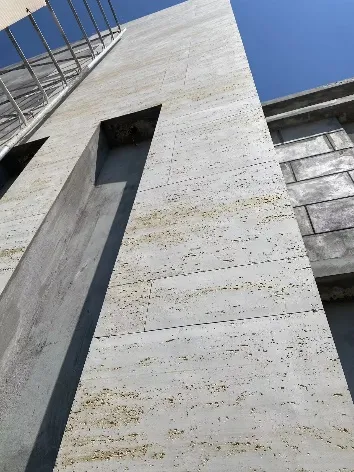
To truly appreciate MCM flexible cladding stone wall panels, let's dive into their standout features. These are the qualities that have made them a go-to solution for both residential and commercial projects across Saudi Arabia and beyond.
Imagine trying to install a curved accent wall with traditional stone tiles. The rigidity of natural stone makes it nearly impossible without custom-cutting each piece—a time-consuming and expensive process. MCM panels, however, can bend and conform to curved surfaces, columns, or even rounded archways with ease. This flexibility opens up a world of design possibilities, from soft, organic shapes in a living room to dynamic, flowing exteriors on a hotel facade.
Natural stone is heavy. A single slab of granite, for example, can weigh upwards of 150 pounds per square meter, requiring reinforced structural support and specialized installation teams. MCM flexible cladding panels, by contrast, weigh as little as 3-5 pounds per square meter. This not only reduces the load on walls and foundations but also simplifies installation: two people can handle a panel that would otherwise require a crane or heavy machinery. For renovations, this is a huge plus—no need to tear down and rebuild walls to support the weight of stone.
Don't let their lightweight nature fool you—MCM panels are built to withstand the test of time. The composite core resists cracking, chipping, and fading, even when exposed to harsh weather conditions (think Saudi Arabia's intense sun or occasional sandstorms). Many panels also come with UV-resistant coatings to prevent color degradation, ensuring that your "stone" walls look vibrant for decades. Unlike natural stone, which can absorb moisture and develop mold or stains, MCM panels are non-porous, making them easy to clean with just soap and water.
One of the biggest draws of MCM flexible cladding is its ability to mimic any stone style under the sun. Whether you're after the sleek, polished look of marble for a luxury hotel lobby, the rough-hewn charm of "castle rock" for a rustic home exterior, or the subtle veining of "cloud stone" for a spa-like bathroom, there's an MCM panel to match. Manufacturers use advanced printing and texturing techniques to replicate even the most intricate stone details, so you get the high-end aesthetic without the high-end price tag of natural stone.
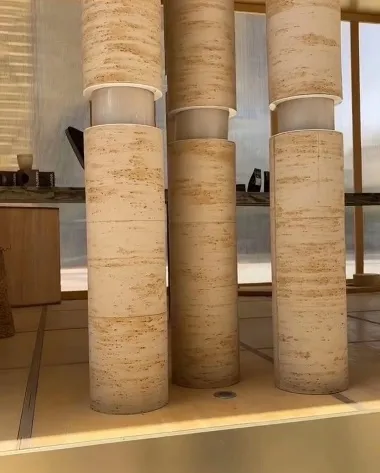
Features are important, but what do they mean for you—the homeowner, designer, or builder? Let's break down the real-world benefits of choosing MCM flexible cladding stone wall panel solutions for your project.
Natural stone is expensive—both to purchase and install. Sourcing rare stones like "Switzerland stone" or "cloud stone" can cost hundreds of dollars per square meter, not to mention the labor costs of cutting, transporting, and installing heavy slabs. MCM panels offer a budget-friendly alternative, typically costing 30-50% less than natural stone while delivering a nearly identical look. When you factor in lower installation and structural support costs, the savings add up quickly.
Time is money, especially in construction. Traditional stone installation can take weeks, with teams carefully measuring, cutting, and fitting each piece. MCM panels, on the other hand, are lightweight and easy to handle, allowing installers to cover large areas in a fraction of the time. A typical accent wall that might take 3-4 days with natural stone can be completed in 1-2 days with MCM panels. For commercial projects with tight deadlines or homeowners eager to enjoy their renovated space, this speed is a major advantage.
Mining natural stone is resource-intensive, often involving quarrying that disrupts ecosystems and consumes large amounts of energy. MCM panels, by contrast, are often made with recycled materials and require less energy to produce. Additionally, their lightweight design reduces fuel consumption during transportation—a small but meaningful step toward greener building practices. For developers and homeowners focused on sustainability, this makes MCM a responsible choice.
Natural stone requires regular sealing to prevent staining and water damage. Granite, for example, needs to be sealed every 1-3 years, and marble is prone to etching from acidic substances like lemon juice or vinegar. MCM panels eliminate this hassle. Their non-porous surface resists stains, mold, and mildew, so you can wipe them clean with a damp cloth and forget about ongoing maintenance. This is especially appealing for high-traffic areas like restaurants, hotels, or busy family homes where time is already stretched thin.
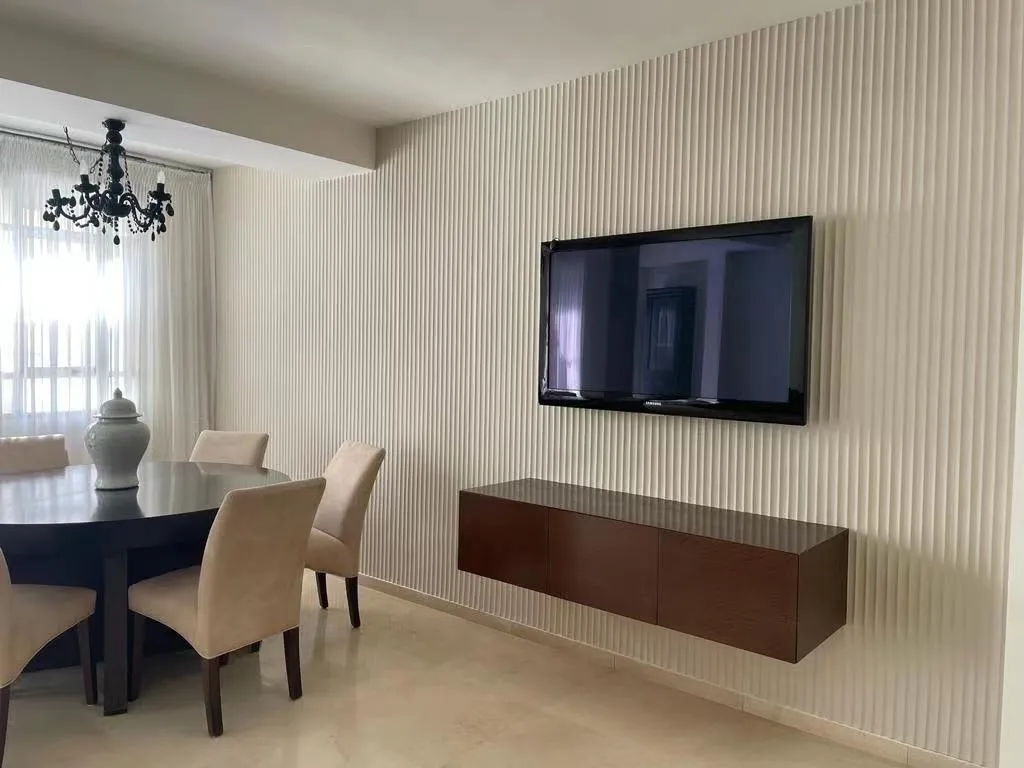
MCM flexible cladding stone wall panels aren't a one-trick pony—they work in just about every type of space, from residential to commercial. Let's explore some of the most popular applications.
Homeowners love MCM panels for their ability to elevate interiors without breaking the bank. A few popular residential uses include:
- Accent walls in living rooms or bedrooms, adding texture and warmth.
- Exterior facades, transforming a plain house into a stone-clad beauty.
- Fireplace surrounds, where heat resistance and easy cleaning are priorities.
- Bathroom walls, thanks to their moisture-resistant properties.
For example, a family in Riyadh might use MCM panels to create a "granite stone" feature wall in their villa's entrance, impressing guests without the cost of real granite.
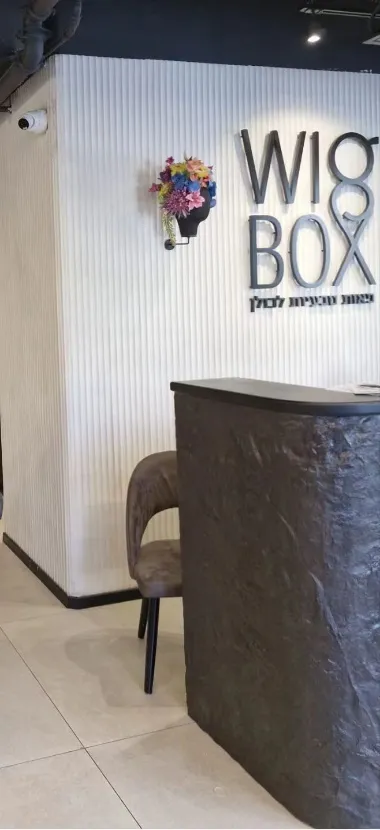
Commercial projects benefit from MCM's speed, durability, and design flexibility. Hotels use them for lobby walls and exterior cladding to create a luxurious first impression. Restaurants opt for rustic "mushroom stone" or "cultural stone" finishes to set a cozy, inviting vibe. Office buildings might choose sleek, modern "porcelain slab tile for wall" looks (another popular solution) but with the added flexibility of MCM for curved reception desks or feature walls.
While MCM panels aren't typically Class A fireproof (unlike specialized options like "class a fireproof cpl inorganic board for hospital and school solutions"), many are fire-resistant and low-maintenance, making them suitable for spaces like schools or community centers. Their durability ensures they can withstand the wear and tear of daily use by students or visitors, and their easy cleaning helps maintain a hygienic environment.

MCM flexible cladding isn't the only player in the wall panel game. Let's compare it to two other popular options: PU stone wall panels and bamboo charcoal board wall panels. This will help you decide which solution is right for your project.
| Feature | MCM Flexible Cladding Stone Wall Panels | PU Stone Wall Panels | Bamboo Charcoal Board Wall Panels |
|---|---|---|---|
| Material | Composite minerals, resins, and fibers with stone-like coating | Polyurethane foam with stone texture | Bamboo charcoal and resin composite |
| Flexibility | High—can bend around curves | Moderate—some flexibility, but less than MCM | Low—rigid, best for flat surfaces |
| Weight | 3-5 lbs/sq m | 2-4 lbs/sq m (lighter, but less durable) | 8-10 lbs/sq m (heavier than MCM) |
| Durability | High—resists weather, scratches, and fading | Moderate—prone to dents in high-traffic areas | High—resistant to moisture and mold |
| Aesthetic Options | Wide range—mimics granite, marble, travertine, etc. | Limited—mostly rustic or "stone veneer" looks | Limited—wood-like or solid colors |
| Best For | Curved surfaces, exteriors, high-traffic areas | Interior accent walls, budget projects | Eco-friendly interiors, moisture-prone areas (bathrooms) |
As you can see, MCM panels strike a balance between flexibility, durability, and aesthetics, making them a versatile choice for most projects. PU stone panels might be better for tight budgets or purely interior use, while bamboo charcoal boards appeal to eco-conscious buyers. But for projects that need both beauty and performance, MCM often comes out on top.
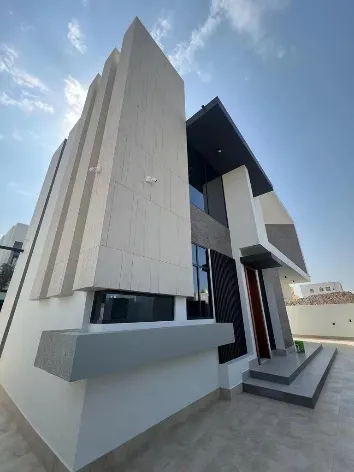
Now that you're sold on MCM flexible cladding, the next step is finding a reliable supplier. With so many "mcm flexible cladding stone wall panel suppliers" in Saudi Arabia and beyond, how do you choose the best one? Here are a few key factors to consider:
Not all MCM panels are created equal. Look for suppliers who provide detailed product specifications, including thickness, weight, fire resistance ratings, and warranty information. Reputable suppliers will have certifications from organizations like the Saudi Standards, Metrology and Quality Organization (SASO) or international bodies like ISO, ensuring their panels meet safety and performance standards.
A good supplier should offer a wide range of stone finishes, colors, and textures. Whether you need "switzerland stone" elegance or "rust stone" ruggedness, they should have samples to match your vision. Ask if they offer custom designs—some suppliers can create panels that mimic rare or unique stone types for a truly one-of-a-kind look.
Even the best panels need proper installation to perform well. Choose a supplier who provides clear installation guides, video tutorials, or even on-site support for complex projects. This is especially important if you're working with a local contractor who may not have experience with MCM panels.
Construction projects run on tight schedules, so reliable delivery is crucial. Ask about lead times for standard and custom orders, and ensure the supplier has a track record of meeting deadlines. A "one-stop architectural solution provider" (another key term) might be a good bet, as they can coordinate delivery with other building materials, simplifying your project management.
MCM flexible cladding stone wall panel solutions represent the future of wall design: combining the timeless beauty of natural stone with the practical benefits of modern engineering. Whether you're a homeowner looking to upgrade your space, a designer chasing the perfect aesthetic, or a builder needing a durable, cost-effective material, MCM panels deliver on all fronts. Their flexibility, lightweight design, durability, and affordability make them a standout choice in a crowded market of wall panel solutions—from PU stone to bamboo charcoal boards and beyond.
As you embark on your next project, consider this: the walls you choose aren't just part of the structure—they're part of the story you want to tell. With MCM flexible cladding, that story can be one of beauty, innovation, and smart design. So why settle for ordinary when you can have the best of both worlds: the look of stone, the freedom of flexibility, and the peace of mind that comes with a material built to last?
Recommend Products











