


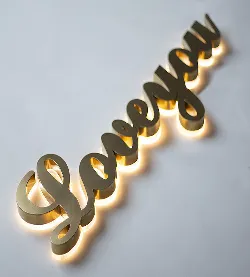
You've probably seen them glowing in the dark, lighting up storefronts or making a bold statement in fancy offices—those snazzy light letters. But what exactly are they used for? Well, picture this: they're not just flashy decorations; they're practical tools that add personality and visibility to all sorts of spaces. Light letters, often made from materials like LED sources or mounted on lightweight panels, have become super popular in everything from your local coffee shop to big corporate events. Think of them as the rockstars of the décor world—eye-catching, functional, and totally customizable. Let's dive into what makes them tick and why they're such a big deal today.
The Basics of Light Letters
Okay, so light letters are exactly what they sound like—individual letters or symbols that are lit up, usually using some form of electrical lighting. They've been around for ages, evolving from simple neon signs to modern LED marvels that can change color, brightness, and even animate with a tap on your phone. Back in the day, folks used them mainly for advertising, like those classic diner signs shouting "Open 24 Hours." Now, they're everywhere—in homes as artsy nameplates, in malls guiding you to the restroom, or at parties spelling out "Happy Birthday" in a cool glow.
How do they work? It's pretty straightforward: each letter has a light source inside it, often LEDs because they're energy-efficient and long-lasting. The letters themselves can be made from materials like lightweight building decorative panels for easy installation. Imagine mounting these on wall panels in your living room; they stick right up without weighing things down. Plus, lighting fixtures help control how they shine, so they're not blinding you but just giving off that perfect ambiance. These elements make light letters super versatile—they don't just sit there looking pretty; they serve real purposes, like making a business stand out or adding a personal touch to your man cave.
What sets modern light letters apart is how they've gotten smarter and cheaper. Thanks to tech like integrated lighting solutions, you can control them via apps, set timers, or sync them with music. And with global manufacturers pumping these out—think big names in China or regional suppliers—they're accessible to anyone, not just the big bucks. So next time you see those letters, remember they're not just letters; they're mini-powerhouses of style and function. For instance, companies that specialize in architectural lighting solutions often integrate light letters into larger projects, ensuring they blend seamlessly with the room or building aesthetics.
Key Uses in Commercial Spaces
Now, let's get down to brass tacks—where are light letters used most? Well, the first place that jumps to mind is commercial settings. I mean, walk down any main street, and you'll spot them shining bright on storefronts. Take a local café, for example. They might have "Brew & Bites" in white LED letters mounted on their front wall. Not only does it look welcoming at night, but it also screams "Brand!" without being obnoxious. Businesses dig this because it's all about visibility—when it's dark out, that glow draws you in like a moth to a flame. Plus, with sustainable materials like eco-friendly lightweight panels, it's guilt-free décor.
But it's not just about looks. Light letters play a big role in branding and navigation. Think about big malls or office complexes—they use directional signs with light letters to help folks find the restroom or elevator without wandering lost. Say you're in a busy airport; illuminated "Exit" signs save lives in emergencies. Or at a conference, light letters above booths guide attendees, making events run smoother. This ties back to lighting fixtures, which ensure the light is even and bright enough to be readable. Suppliers in places like the US or Asia often team up with wall panel experts to create seamless setups where letters attach without ugly wiring.
Beyond that, light letters boost sales and safety. Studies show well-lit signs increase foot traffic—people are more likely to step into a brightly lit shop than a dim one. And in terms of safety, they're a no-brainer; in stairwells or exits, light letters can be lifesavers in blackouts. Companies dealing in wall panels and lighting solutions often recommend adding these to fire-rated doors or hallways, making buildings more user-friendly. For instance, a restaurant might use light letters as a backdrop for photos, encouraging social media buzz that brings in crowds. It's all about creating an experience—functional and fun.
| Setting | Typical Usage | Benefits | How Lighting Fixtures Enhance Them |
|---|---|---|---|
| Retail Stores | Store name signs, promotional displays | Attracts customers, boosts brand recognition | Fixtures provide consistent illumination for durability and visibility. |
| Offices & Corporate Buildings | Company logos, lobby signs, floor indicators | Professionalizes space, aids navigation | Integrated with wall panels for sleek, low-profile mounting. |
| Public Spaces (e.g., Malls, Airports) | Directional signs, emergency exits | Improves safety, guides people efficiently | Uses LED lights for energy savings and longevity. |
| Event Venues | Stage backdrops, wedding monograms | Creates memorable atmosphere, customizable | Dimming fixtures allow mood adjustments with ease. |
And let's not forget the cool factor—big brands like Apple or Nike use giant light letters in stores to showcase their logo, making you feel like you're stepping into something exclusive. This ties into lighting solutions that adapt to spaces. For example, acoustic mineral ceiling panels can have integrated light letters for a noise-free environment that still pops. The bottom line? In commercial spaces, light letters are workhorses that keep things running while looking fab. And with global exporters making them affordable, any small biz can hop on the trend without breaking the bank.
Everyday Life: Residential and Personal Uses
Moving away from the big bucks, light letters aren't just for businesses—they're big in homes too! Picture your own space: you could have "Home Sweet Home" letters glowing above the fireplace, adding warmth without the heat. Or how about "Love" in soft blue LEDs for a romantic bedroom vibe? People are using these in DIY projects to personalize their digs, turning plain rooms into Instagram-worthy spots. It's a cheap and cheerful way to upgrade without major renovations, and lightweight materials like those from building suppliers mean you can hang them yourself.
But why bother? Well, for starters, it's all about expression. Light letters let you shout your personality without actually shouting—think kids' rooms with glow-in-the-dark names or home offices that spell out "Hustle" for motivation. They're great for themes, too. If you're a bookworm, adding "Read" letters near your bookshelf ties into literary vibes. Plus, with easy-to-install options, like letters that clip onto wall panels, you don't need an electrician. Just plug and play! Ceiling panels in rooms can even incorporate recessed lights to highlight letters hanging down, making them a focal point that doesn't overwhelm.
Beyond style, light letters have practical sides. In hallways, they double as night lights, guiding you to the kitchen for that midnight snack without stubbing a toe. Or in nurseries, soft-glowing letters above the crib create a calming atmosphere for sleepless nights. Families are using them for holidays too—swap out letters for "Boo!" at Halloween or "Joy!" for Christmas. And with manufacturers offering eco-friendly versions, like LED lights that last forever, they're kind to the planet and your wallet. The result? A cozy, customized feel that transforms any room.
The Creative and Artistic Angle
Light letters aren't just functional—they're a legit art form! Artists are crafting installations where letters spell out messages in galleries or public parks. Imagine walking through a trail and seeing "Dream Big" glowing in the trees. These pieces often mix with elements like decorative profiles to frame the letters, creating a polished look. Museums are jumping on this, with light letters used in exhibits to add drama and emphasis, like highlighting a historical figure's name.
How do they pull this off? It's all about innovation. LED technology allows for wild effects—color-changing, pulsing, or animated displays that sync to music. This makes them perfect for festivals, where light letters create immersive experiences. Think Coachella-style signs that buzz with energy. Lighting fixtures play a role here too, by directing beams to enhance the overall vibe without glare. For durability, artists might use lightweight panels that withstand outdoor elements, ensuring the piece lasts.
On a smaller scale, DIYers are getting creative. Workshops teach how to build custom letters from scratch, incorporating recycled materials. Or folks team up with local suppliers for custom jobs—say, a brewery commissioning a "Tap Room" sign with integrated lighting solutions. This push toward artistry isn't just fun; it's pushing boundaries, with more sustainable options making waves. So whether it's a thought-provoking public art piece or a quirky home project, light letters blend beauty with brains.
Innovations and Future Trends
Looking ahead, light letters are getting smarter. Think IoT integration: letters controlled via voice commands or apps that change colors based on your mood. For buildings, this could mean smarter lighting solutions that sync with weather forecasts—dimming on sunny days to save energy. With advances in materials like graphene for LEDs, we'll see thinner, brighter letters with longer lifespans. Plus, modular wall panels will make it easier to update messages on the fly.
But it's not just tech; sustainability is key. Eco-trends like solar-powered light letters are on the rise, using solar panels to reduce grid reliance. Manufacturers are leaning into green practices, offering recyclable lightweight panels that cut waste. And as urban spaces grow denser, light letters will evolve for accessibility—think braille-integrated versions for inclusive design. The takeaway? Light letters are here to stay, shining brighter than ever.
In the end, these glowy wonders are more than just signs. They're tools for connection, safety, and creativity. So next time you see one, remember—it's not just light; it's a story waiting to be told.










