
Solar energy is no longer something reserved for rooftops on private homes. Across the world, factories, warehouses, and commercial complexes are turning to industrial solar panels to power heavy equipment, lighting, and day-to-day operations. If you manage a facility and have been wondering whether this technology is the right fit, this article explains what industrial solar panels actually are, how they differ from residential systems, and the applications where they deliver the most value. Whether you plan a single installation or integrate solar into a larger construction project, knowing these basics will help you make a confident decision.
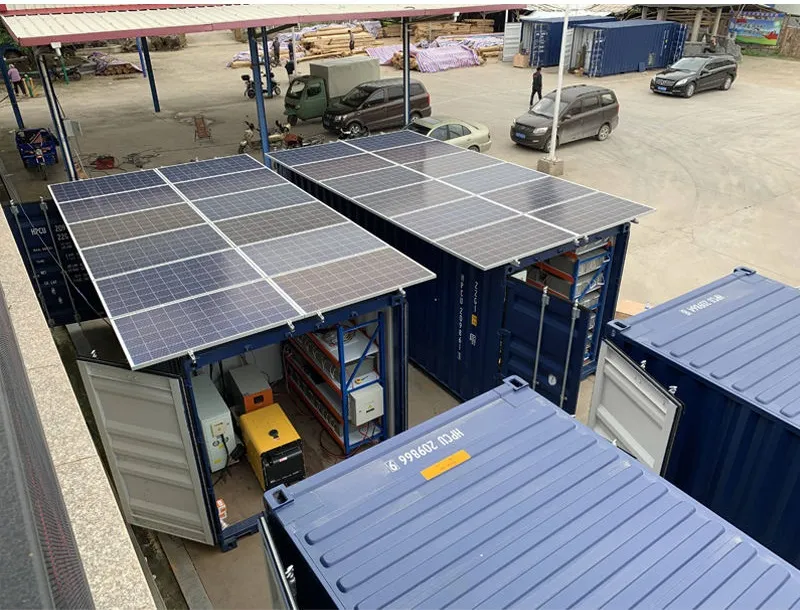
An industrial solar panel is a photovoltaic module designed to meet the energy demands of large facilities rather than a single household. The basic principle is the same as any solar panel: sunlight strikes the cells, generates direct current (DC) electricity, and an inverter converts it into the alternating current (AC) that machinery and appliances use. The difference lies in scale and engineering. Industrial panels are built to be more efficient per square meter, more durable under continuous outdoor exposure, and capable of being arranged in arrays large enough to run an entire plant or building.
The main components of an industrial installation are familiar but sized differently than a home system: solar panels mounted on roof or ground structures, inverters that manage the DC-to-AC conversion, cabling that feeds power into the building's electrical system, and often a monitoring setup that tracks energy output in real time. Because they support a whole operation rather than a single home, industrial systems place a heavier emphasis on consistent output, easy maintenance, and reliable long-term performance.
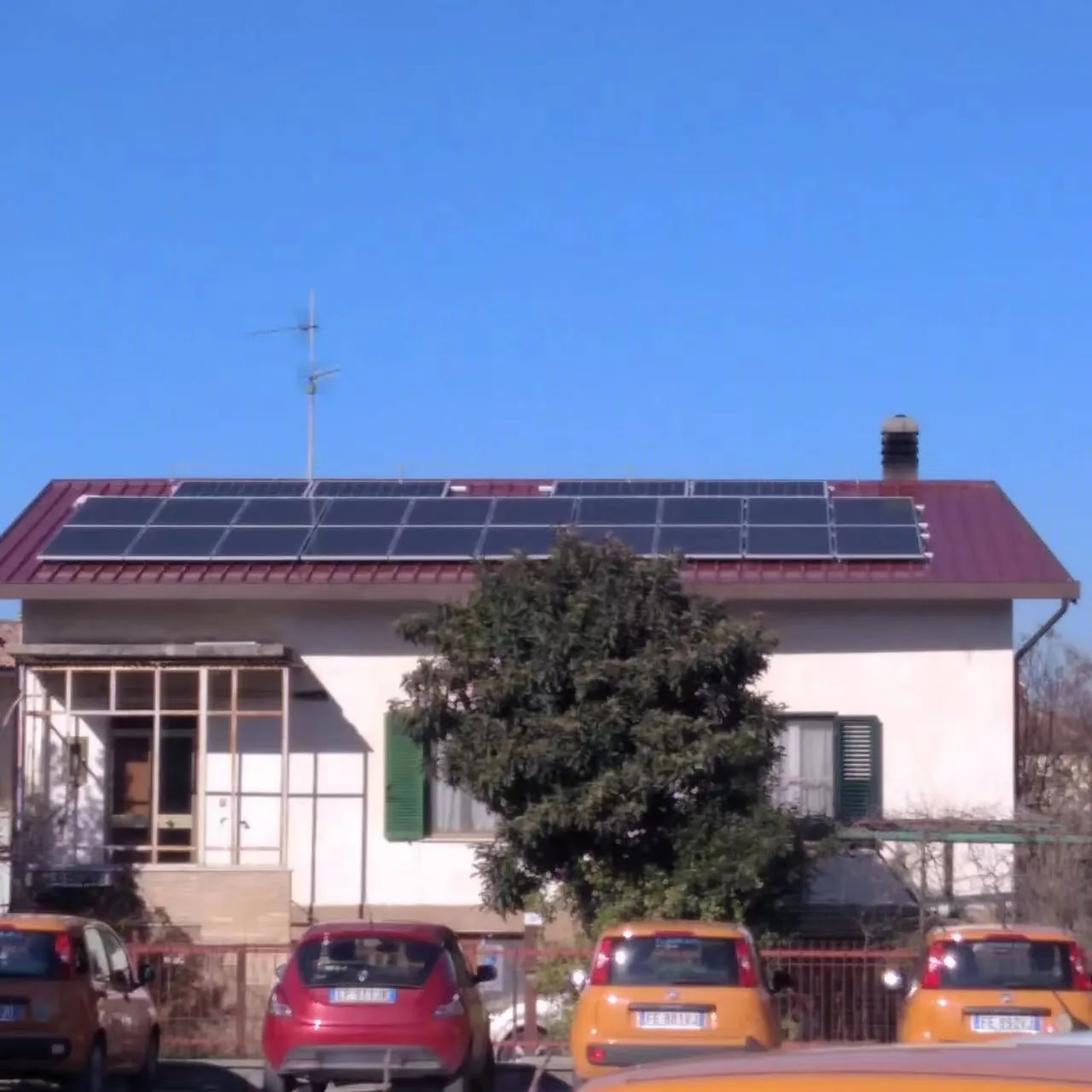
The most obvious difference is capacity. A residential array is sized to cover one household's consumption, while an industrial array is planned to match demand peaks, shift energy use away from expensive grid hours, or even offset a large share of a facility's electricity. There are also practical differences. Industrial panels are generally mounted with sturdier structures to withstand wind and weather on large roof expanses, arranged so that service teams can reach them for cleaning and inspection, and matched with inverters and wiring rated for higher loads. Because they operate constantly in demanding environments, durability and ease of maintenance matter as much as the panel's rated efficiency.
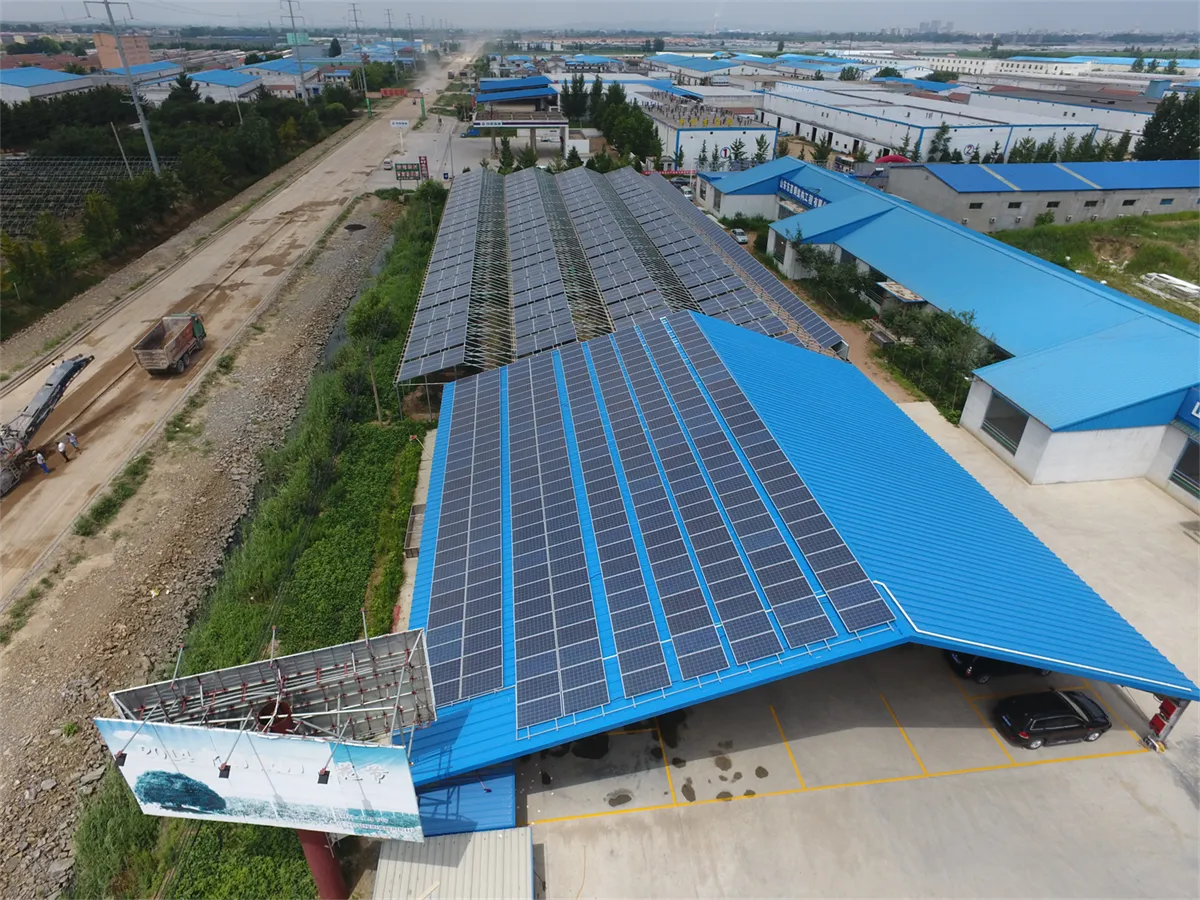
Industrial solar panels serve many distinct applications, and choosing the right one depends on the facility's energy profile and available space. The following are the most widespread uses:
Across all of these applications, the logic is the same: large facilities consume energy when the sun is shining, and industrial solar panels produce power precisely during those hours. That alignment is what makes them effective for commercial and industrial users.
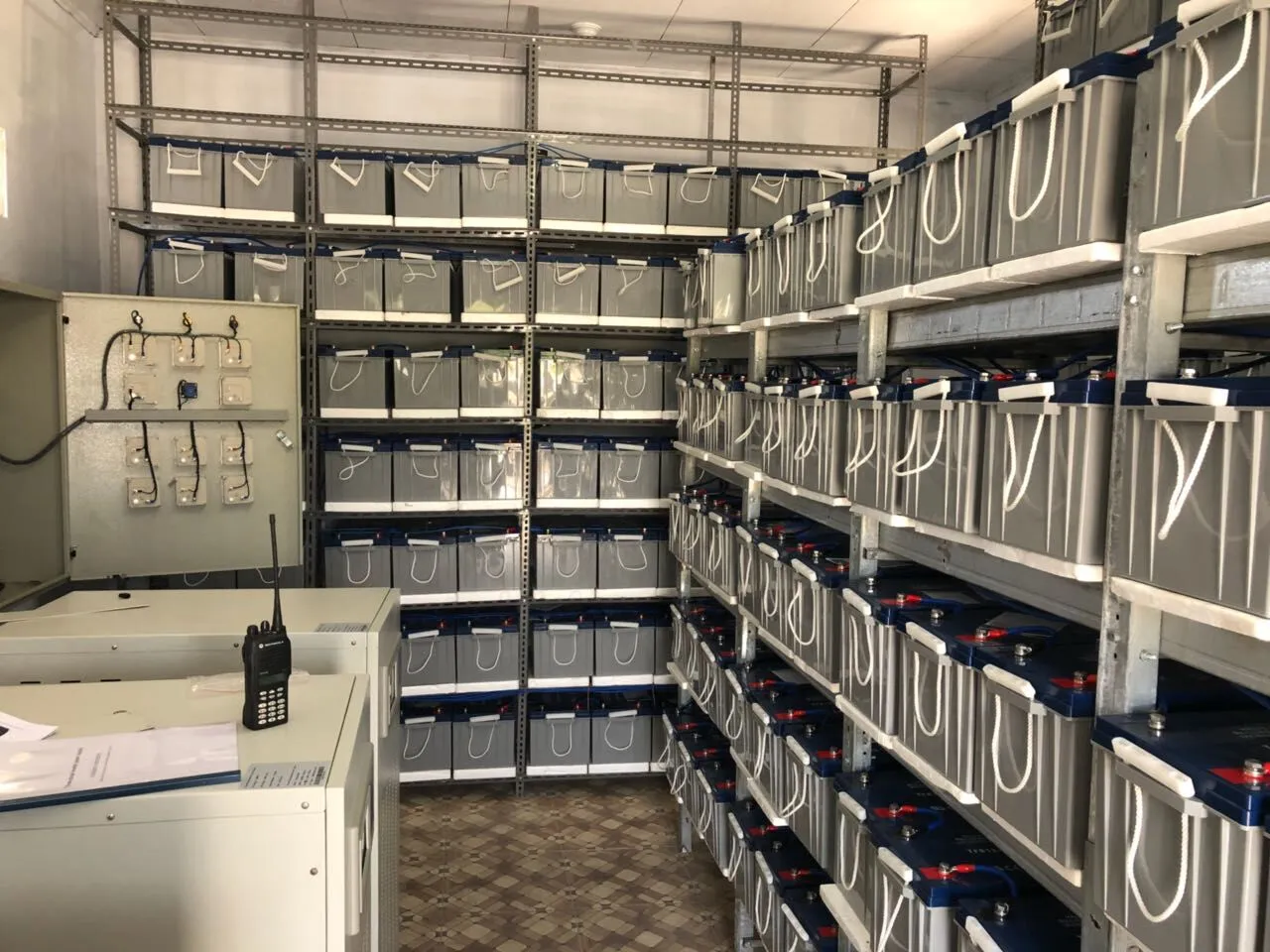
One detail project owners often overlook is that solar panels do not exist in isolation. A factory, warehouse, office, or hotel is made of many systems, and the panels must work with the roofing they sit on, the electrical fixtures they feed, and the lighting and appliances they support. This is where a one-stop supplier brings real value. COLORIA GROUP is a global building materials supplier covering 13 product categories, including solar panels, walls, flooring, ceilings, pipes and fittings, sanitary fixtures, customized furniture, home and kitchen appliances, windows and doors, decorative profiles, elevators, electrical fixtures and cables, and lighting. Working with a single partner that supplies both the solar array and the surrounding building systems makes it easier to keep the whole project consistent, coordinated, and on schedule.
As a solar panel supplier, COLORIA GROUP supports developers, contractors, and dealers across industrial and commercial projects, with an agent in Saudi Arabia to simplify sourcing for customers in the Middle East. Whether you need panels for a standalone installation or want to coordinate them with the rest of an industrial build, the team can help you plan a solution that fits your energy needs, your roof space, and your budget.
Before committing to an industrial solar system, it pays to be clear about three things: how much energy your facility actually consumes, when that consumption happens, and how much suitable mounting space you have. A facility that operates mostly during the day is an ideal candidate, while one with limited space or unusual load patterns may benefit from advice on system sizing and layout. From there, quality panels, proper installation, and a maintenance routine are what keep the system productive for the long term.
Industrial solar panels are a practical, durable way for factories, warehouses, commercial buildings, farms, and hospitality projects to bring down energy costs and make smarter use of available space. By treating solar as one part of a well-coordinated construction plan, you get a system that performs reliably for years. Contact the COLORIA GROUP team with your energy needs and project details, and let them help you plan an industrial solar solution that fits the way your facility works.
Recommend Products












