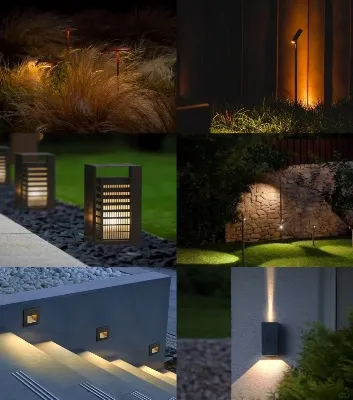
Ever stepped into a backyard that just took your breath away as the sun went down? That magical glow isn't accidental—it's the work of thoughtfully placed garden lights. More than just pretty accessories, garden lights are essential elements that transform ordinary yards into enchanting nighttime retreats. They're like jewelry for your landscape, highlighting favorite trees, guiding pathways, and creating cozy pockets where people naturally gather. Think about the last time you admired someone's garden after dark. Chances are, you weren't swooning over their lawn; you were captivated by how lights played on water features, accented architectural details, or made stone paths look like moonlit trails. That's the power of strategic illumination. Today's garden lighting goes beyond the basic solar stake lights of years past. We've got energy-efficient LEDs, weather-resistant outdoor lighting systems, and smart controls that let you adjust moods with a phone tap. Whether you want subtle ambiance for intimate dinners or vibrant colors for summer parties, garden lights deliver. And when you integrate them with other elements like landscape lighting around pools or patios, you create a holistic nighttime experience that feels both luxurious and inviting.
Not all garden lights are created equal, and that's a good thing! Different styles solve different problems. Path lights, for example, are the quiet heroes—low to the ground, spreading gentle circles of light to keep stumbles at bay near steps or uneven terrain. Spotlights? They're the drama queens. Positioned to graze textured surfaces like tree bark or stone walls, they cast long shadows that add depth and mystery. Then there's downlighting, mounted high to mimic moonlight filtering through branches—perfect for creating natural-looking washes of light over seating areas. Fairy lights bring whimsy when woven through shrubs or draped overhead like artificial constellations. And let's not forget specialty options like underwater lights that make ponds glow or color-changing LEDs that turn ordinary spaces into festival grounds. What's fascinating is how these all work together. A layered approach might use path lights for safety along walkways, spotlights to showcase prized Japanese maples, and soft downlighting over the patio table where wine glasses clink late into the evening. The key is balance—too much light feels like a parking lot; too little misses the opportunity. And for remote garden corners where wiring is tricky? That's where portable lighting solar lights shine (pun intended), storing sun power by day to sparkle autonomously all night.
| Light Type | Best For | Typical Placement | Energy Source |
|---|---|---|---|
| Path Lights | Safety & navigation | Along walkways, driveways | Solar / Low-voltage |
| Spotlights | Highlighting features | At base of trees/focal points | Low-voltage / Hardwired |
| Downlights | Ambient illumination | Mounted in trees/eaves | Low-voltage / Hardwired |
| Fairy/String Lights | Atmosphere & whimsy | Overhead in trees/pergolas | Solar / Plug-in / Battery |
| Submersible Lights | Water features | Ponds, fountains, pools | Low-voltage |
Buying garden lights isn't as simple as grabbing whatever looks cute at the home center. Durability matters—your lights will face downpours, scorching summers, and maybe even the occasional rogue soccer ball. That's why materials like powder-coated aluminum or marine-grade stainless steel justify their higher price tags over plastic. Then there's light quality itself. Cheapo LEDs often emit a harsh blue-white glare reminiscent of hospital corridors, while higher CRI (Color Rendering Index) options render greens and flowers more naturally. Warm white tones (2700K-3000K) feel welcoming; reserve cooler whites for modern architectural highlights. How about brightness? Lumens measure raw power, but garden lighting is about nuance—15-50 lumens usually suffices for path markers, while 100-200 lumens works for spotlighting statues. Control systems elevate everything. Dumb lights stay stuck on sunset-to-sunrise, wasting energy when no one's around. Smart setups use motion sensors near gates, dimmers over dining areas, and automated schedules via apps. And consider solar’s huge leap forward. Today's top solar lamps integrate efficient solar panels and lithium batteries that actually last through cloudy stretches—no more lights dying at 9 PM! Pro tip: Buy one fixture first and test it for a week before committing to a whole set. See how its light spreads, survives weather, and—critically—whether you actually enjoy its glow when lounging outside after dark.
Botching garden light setup is easier than you'd think. One big mistake? Forgetting scale. An undersized spotlight drowns against a massive oak; oversized path lights overwhelm delicate flower beds. Always match fixture proportions to their surroundings—miniature fittings in expansive lawns get visually lost. Cable management trips people up constantly. Burying wires isn't glamorous but keeps gardens safe and tidy. Dig trenches 6-12 inches deep, run waterproof cables (UL-rated for direct burial), and avoid sharp bends that cause future breaks. Over-lighting is another epidemic. People get excited and install triple what they need, creating "light pollution" that annoys neighbors and washes out night skies. Remember: You want to see effects of light, not the light sources themselves. Glare from poorly aimed fixtures is equally offensive—always use hoods or position bulbs so they point downward, never sideways into eyes. Spacing consistency matters hugely too. Haphazardly scattered path lights look jittery; even steps build rhythm. Finally, accessibility for maintenance saves headaches. Fixtures near lawn edges risk mower collisions, while solar units under dense trees won't charge. It’s worth mapping locations on paper first, observing sun patterns, and anticipating seasonal changes—after all, that bare maple in March becomes a light-blocking canopy by June. Get these basics right before plugging anything in!
Why stop at practical illumination? With some creativity, garden lights become transformative art elements. Imagine submerged LEDs turning koi ponds into glowing lava fields as bubbles rise, or "moonlighting" techniques that filter through leafy branches to dapple flagstones below. Color introduces emotional layers—subtle blue washes suggest aquatic calm near fountains, while warming amber hues make pergolas feel like private sanctuaries. Dynamic scenes evolve through the evening: Task lighting illuminates cooking stations during dinner prep before shifting to low mood lighting during dessert courses. Modern systems even sync with music, pulsing gently to background jazz. Theme gardens deserve tailored light treatments too. Japanese Zen spaces glow with minimalist paper lanterns; Mediterranean courtyards call for iron-scrolled sconces casting intricate shadows. And don't forget seasonal flexibility—swap summer's vibrant hues for autumnal golds or winter's cool icicle effects. What makes all this experiential versus merely functional? The element of discovery. A darkened approach to the house where only entrance lanterns welcome, then glimpses of light beckoning toward hidden seating nooks—it's about choreography. Like a good novel, the most compelling garden lighting reveals itself gradually, rewarding exploration with visual surprises that make nighttime wandering delightful. That's true garden alchemy: turning electrons into emotion.
Recommend Products