
Minimalist design has grown from a passing trend into one of the defining ideas of modern architecture. Few materials capture that spirit as honestly as fair-faced concrete, a surface that is left exactly as it is cast, with no paint, plaster or cladding to hide behind. For architects, contractors and developers who want clean lines and a calm, understated atmosphere, fair-faced concrete solutions offer a reliable way to bring this look to walls, facades and interiors without the risk and cost of complicated on-site pours.
Fair-faced concrete, also called exposed concrete or architectural concrete, is concrete whose surface is the finished surface. It is cast against smooth formwork, cured carefully, and then left visible as a design feature instead of being covered up. The term "fair-faced" comes from the idea that the face of the concrete is fair, meaning clean and true to the material.
When we talk about fair-faced concrete solutions, we mean the practical products and systems that deliver this aesthetic in real projects. These include precast panels, decorative concrete boards and architectural cladding elements that reproduce the raw concrete look with factory-controlled quality. This approach matters because casting concrete directly on site is demanding: the formwork, the mix, the pouring sequence and the curing all have to be controlled to a standard that ordinary structural concrete never asks for, and every flaw stays on permanent display. Prefabricated panels shift that control into the factory, where the mix, the mould and the curing can be managed precisely, giving a consistent surface that is far harder to achieve on a busy construction site.
Minimalism is built on subtraction: fewer elements, cleaner geometry, and materials that speak for themselves. Fair-faced concrete fits this philosophy naturally for several reasons.
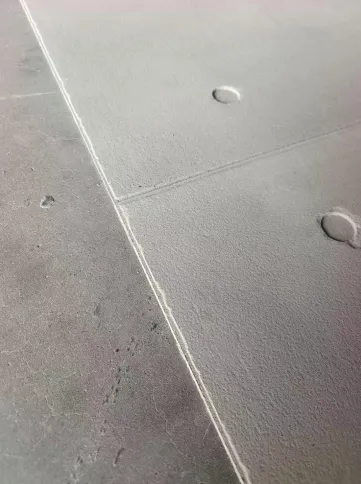
Clean, unbroken surfaces. A fair-faced wall has no joints from tiling, no texture from rendering and no colour variation from paint. The result is a single, continuous plane that gives a space a quiet, ordered feel. Large-format panels keep panel lines to a minimum, which is exactly what minimalist interiors and facades call for.
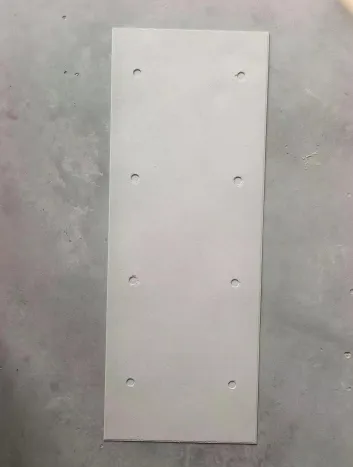
An honest, natural material. There is no pretending with fair-faced concrete. The surface shows the true character of the material, including the subtle marks left by the formwork and the small tie holes that are part of the casting process. Designers have learned to turn these details into a deliberate, regular pattern rather than treating them as defects. This honesty is central to the minimalist idea that beauty comes from truth, not decoration.
Texture and light. Although the surface is smooth, it is not flat in a lifeless way. Depending on the finish, it can carry the soft grain of timber boards, a fine matte texture, or a polished sheen. As daylight moves across the wall, these subtle variations catch the light and give the space depth without adding any ornament. This play of light and shadow is one of the most photographed qualities of minimalist architecture.
A neutral palette. The soft greys of fair-faced concrete sit comfortably beside wood, metal, glass and almost any colour scheme. It works as a calm backdrop in a home, a serious presence in an office, and a warm, tactile surface in a hotel lobby. Because it never fights with other materials, it makes the whole space feel more coherent.
The character of a fair-faced concrete surface is decided by the face it is cast against and any treatment applied afterwards. Knowing the main families of finish helps you choose the right look for your project.
Smooth off-form. Cast against high-grade plywood or steel-faced formwork with sealed joints, this is the cleanest and most refined finish, the kind seen in the work of Tadao Ando. The panel joints and tie holes become the entire composition. It is the most demanding finish to reproduce, which is why factory-made panels are so valuable here.
Board-marked. Cast against rough-sawn timber so the wood grain is pressed permanently into the face, this finish softens the hardness of concrete into something tactile and warm. It is also more forgiving of minor colour variation, because the grain naturally hides small differences, making it a popular choice for feature walls.
Exposed aggregate and bush-hammered. The hardened surface is treated so the stone aggregate beneath shows through, giving a rough, stony face that scatters light and hides weathering well. This finish suits outdoor walls and facades where a more textured, natural appearance is wanted.
Pigmented and white concrete. By using white cement and mineral pigments, concrete can be cast in off-white, buff, terracotta or charcoal tones. This opens up a wider range of minimalist palettes while keeping the same honest surface quality.
Fair-faced concrete is not chosen for appearance alone. It brings practical advantages that make it a sensible investment for both residential and commercial projects.
Durability. Concrete is inherently strong and resistant to wear, weathering and impact. A fair-faced wall does not need repainting or re-rendering, and it stands up well to heavy use in corridors, lobbies and public spaces.
Low maintenance. Because the surface is the finish, there is no coating to peel, fade or be touched up. A simple cleaning routine keeps it looking the same for decades, which lowers the long-term cost of ownership.
Sustainability. Removing the need for paint, plaster and cladding cuts the amount of finishing material used on a project. Concrete itself can also be produced with recycled aggregates, and its long service life means fewer replacements over time, which is a real advantage for projects aiming at greener credentials.
Cost control. Factory-made panels shorten installation time on site and reduce the skilled labour needed for a perfect pour. Fewer trades, faster schedules and fewer defects all translate into a more predictable budget.
Fair-faced concrete is remarkably versatile. In homes, it appears as feature walls in living rooms, stairwells and bathrooms, paired with wood and warm lighting to keep the space from feeling cold. In commercial settings, it gives offices, showrooms and restaurants a calm, professional character that photographs well and ages gracefully. For building facades, it creates a strong, monolithic presence that needs little upkeep and stays crisp for years. It also works well in public buildings such as schools, hospitals and cultural centres, where durability and a dignified appearance matter equally.
The quality of a fair-faced concrete surface depends almost entirely on how carefully it is made, so the choice of supplier is the single most important decision in the process. Look for a manufacturer that controls the mix, the mould and the curing in a factory environment, because that is where consistency comes from. Batch-to-batch colour stability matters especially: a small difference in cement or water can otherwise show as a visible band on the finished wall.
Experience with large and repeated projects is another sign of a dependable partner, as is the ability to supply samples so you can judge the surface with your own eyes before committing. For projects that need more than one material, working with a building material supplier that covers walls, flooring, ceilings, sanitary ware, furniture and lighting under one roof also simplifies procurement, keeps the design language consistent, and reduces the number of suppliers you have to manage.
As a fair-faced concrete supplier, COLORIA GROUP offers decorative profile panels that reproduce the raw concrete aesthetic with factory-controlled quality, supported by decades of experience in the building materials trade and an overseas agent in Saudi Arabia that understands the demands of large regional projects.
Fair-faced concrete solutions give architects and developers a dependable route to the minimalist aesthetic that clients increasingly ask for. The material brings clean surfaces, honest texture and a neutral palette to any space, while its durability and low maintenance keep it practical long after the design trends move on. The key is to source from a supplier that can guarantee the consistency the look depends on, and to plan the finishes carefully from the start.
Whether you are designing a single feature wall or an entire building facade, starting with the right material and the right partner makes all the difference. With a full range of building materials and a team that has spent decades supplying projects around the world, COLORIA GROUP is ready to help you turn a minimalist concept into a finished reality.
Recommend Products












