
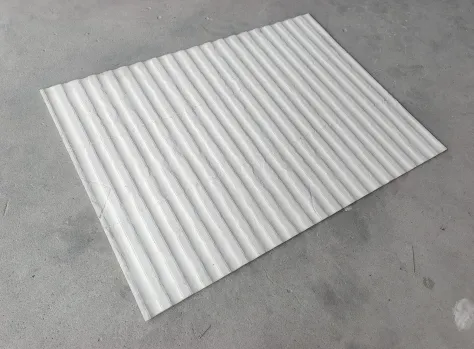
Stone has been the backbone of architecture for millennia. From the weathered temples of ancient Greece to the grand cathedrals of medieval Europe, natural stone carries a sense of history and permanence that no other material can replicate. Today, century stone solutions bring that same timeless character into modern buildings — without the weight, cost, and installation complexity of traditional quarried stone.
Century stone refers to engineered stone veneer and decorative cladding products designed to authentically replicate the look, texture, and color variations of natural stone. Unlike solid stone blocks that require heavy structural support, century stone panels are lightweight — typically weighing only a fraction of real stone — making them suitable for both interior accent walls and full exterior façades. They are manufactured using advanced molding and casting techniques that capture the irregular surfaces, mineral flecks, and tool marks found in genuine quarry stone, delivering a result that is visually indistinguishable from the real thing.
Premium century stone panels embrace imperfection. Each piece varies slightly in thickness and surface pattern, just like natural stone, creating living surfaces that shift in appearance as light changes throughout the day.
The appeal of century stone goes beyond aesthetics. These products combine visual authenticity with practical engineering advantages that make them ideal for modern construction projects. Here are the key characteristics that define high-quality century stone solutions:
The best century stone products capture nature's fingerprint with remarkable precision. Advanced 3D scanning technology maps real quarry fragments to recreate foliation patterns, mineral deposits, and subtle surface irregularities. The result is a product that feels genuinely hand-hewn, complete with the kind of imperfections that give natural stone its soul. Color palettes range from sun-drenched golds and warm earth tones to cool slate grays and limestone creams, offering decorative profiles that suit any architectural style.
Traditional stone can weigh 11 to 15 pounds per square foot. Century stone panels, by contrast, typically weigh around 1.8 pounds per square foot — lighter than plywood. This dramatic weight reduction opens up creative possibilities that would be structurally impossible with solid stone: accent walls above bedrooms, fireplace surrounds in upper-floor apartments, or full exterior cladding on buildings not engineered for heavy masonry loads.
Century stone solutions are engineered to withstand harsh conditions that would damage or degrade many natural materials. Premium products demonstrate water absorption rates as low as 0.2%, compared to up to 7% for natural stone — meaning they resist staining, freeze-thaw damage, and moisture penetration far more effectively. Many high-quality century stone products carry warranties of up to 50 years against cracking and fading, and require virtually no maintenance beyond occasional cleaning.
Modern century stone panels incorporate advanced fireproofing technologies. Some products use basalt fiber weave reinforcement and ceramic nano-coatings that create an oxygen-starved barrier, allowing them to withstand temperatures exceeding 2,000°F without buckling or releasing toxic fumes. This makes them particularly suitable for commercial kitchens, restaurant interiors, and buildings with stringent fire code requirements.
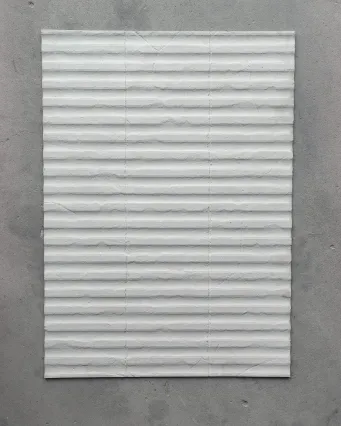
Timeless elegance in architecture is not about following trends — it is about creating spaces that feel grounded, authentic, and connected to a longer tradition. Century stone achieves this in several distinct ways:
When you walk into a space finished with century stone, the first thing you notice is the weight of history. The textured surfaces, the subtle color shifts, the way light plays across irregular edges — all of these elements evoke the craftsmanship of ancient masonry. Yet behind that traditional appearance lies modern engineering: flexible polymer meshes that allow panels to bend without cracking, shape-memory materials that return to flatness after stress, and self-cleaning finishes that shed dirt during rain.
One of the greatest strengths of century stone solutions is their adaptability. A stacked stone profile with clean, horizontal lines can bring craftsman warmth to a modern farmhouse. A deeply faceted coastal reef texture adds sculptural drama to a contemporary hotel lobby. Smooth, oyster-toned cut stone complements minimalist interiors. This versatility means the same material family can deliver entirely different aesthetic results depending on the profile and finish selected.
Because century stone panels are lightweight and weather-resistant, they can extend continuously from exterior façades into interior spaces. A rusticated stone finish that begins on a patio wall can flow into a living room, visually connecting the home with its garden. This blurring of boundaries between inside and outside is a hallmark of timeless design, creating spaces that feel expansive and harmonious.
Timelessness also means sustainability. Unlike painted surfaces or synthetic sidings that require periodic replacement, century stone grows more character over decades. The production process for engineered stone panels generates significantly less carbon than quarrying — some manufacturers incorporate recycled ceramic waste into their core mixes, diverting industrial byproducts from landfills. A material that looks better with age and needs no replacement is, by definition, a sustainable choice.
| Feature | Traditional Natural Stone | Century Stone Panels |
|---|---|---|
| Weight per sq ft | 11–15 lbs | 1.5–2.5 lbs |
| Water Absorption | Up to 7% | As low as 0.2% |
| Freeze-Thaw Resistance | May fail after 35 cycles | 300+ cycles without damage |
| Installation | Requires heavy machinery | Installs like wall paneling |
| Maintenance | Periodic sealing required | Minimal — occasional dusting |
| Fire Resistance | Good (non-combustible) | Excellent (ceramic-reinforced) |
| Cost | High material + labor | Lower overall installed cost |
Century stone solutions are not limited to grand architectural statements. They work beautifully in projects of every scale:
When selecting century stone products, consider the overall architectural language of the building. Warmer, earth-toned profiles with irregular ledges suit rustic and traditional designs. Cleaner, more uniform stacked stone patterns work well in transitional and contemporary spaces. For modern interiors, smooth-cut stone finishes in cool gray or oyster tones provide texture without overwhelming minimalist aesthetics.
It is also important to source from a reliable supplier. As a comprehensive architectural façade solutions provider, COLORIA GROUP offers century stone as part of an extensive decorative profiles range that includes metal series, mirror series, wood grain, marble, and many other finishes. This breadth of product means designers and builders can coordinate stone textures with complementary materials — metal trim, wood accents, or marble surfaces — all from a single source.
The best advice is to trust the material. Do not over-engineer the layout. Allow the stone to find its natural arrangement, slightly irregular and beautifully imperfect. When you build with patience and let the material speak, you create not just walls, but a lasting conversation between architecture and the earth.
Explore century stone solutions and the full range of decorative profiles for your next project.
View Century Stone ProductsRecommend Products












