
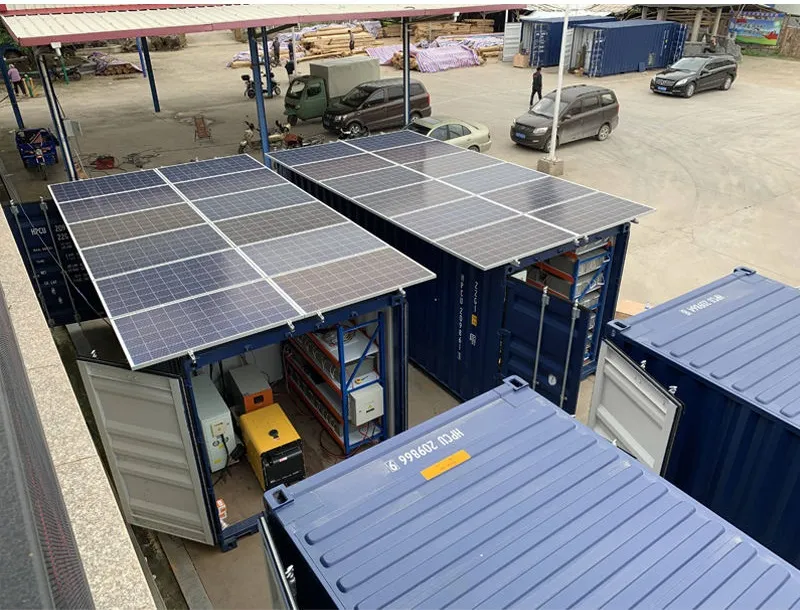
A 200 watt solar panel is a photovoltaic panel rated to deliver 200 watts of power under standard test conditions. In most kits, this rating is achieved with either a single 200W panel or two 100W panels wired together, which is why you will often see "2 x 100W" listed on the box. A typical rigid panel measures roughly 53 by 26 inches and weighs about 25 to 30 pounds, making it practical to mount on the roof of an RV, cabin, shed, or small boat.
The wattage rating tells you the panel's maximum output under ideal sunlight, not what it produces every hour of the day. Real-world output depends on where you live, the season, how much shade falls on the panel, its tilt angle, and how clean the surface is kept. That is why two identical panels in different locations can produce noticeably different amounts of electricity.
You can estimate daily output with a simple formula:
Daily output (Wh) = panel wattage x peak sun hours x system efficiency
For example, a 200W panel in an area with 5 peak sun hours and 80% system efficiency produces roughly 200 x 5 x 0.8 = 800 watt-hours per day. That is enough to run a handful of small appliances through the day and evening. In sunnier regions the figure can climb toward 1,000Wh, while in cloudy climates it may drop to around 500 to 600Wh. Peak sun hours simply mean the equivalent number of hours per day when sunlight is strong enough to produce full rated output.
A 200W panel is best suited to low- and medium-power devices. The table below shows typical daily energy use for common appliances and whether a 200W setup can cover it.
| Appliance | Typical daily use | Covered by 200W? |
|---|---|---|
| LED lighting (4 hours) | ~80Wh | Yes |
| Phone charging (4 devices) | ~60Wh | Yes |
| Laptop (4 hours) | ~240Wh | Yes |
| Wi-Fi router (24 hours) | ~120Wh | Yes |
| Small fan (6 hours) | ~90Wh | Yes |
| TV (3 hours) | ~150Wh | Yes |
| 12V compressor fridge (24 hours) | ~600-800Wh | Just about, in good sun |
| CPAP machine (8 hours, no humidifier) | ~240Wh | Yes |
Keep in mind that these figures assume you are not running everything at once. A 200W panel produces power gradually through the day, so it works best when paired with a battery that stores energy for use in the evening. If you plan to run several appliances simultaneously, you will need to manage your loads carefully or add a second panel.
It is just as important to know the limits. High-power appliances draw far more than a 200W panel can supply, even with a battery in between:
For these, you would need a larger array of 400W or more, or a connection to the grid. A 200W panel is designed for light to moderate off-grid use, not for replacing the electricity supply of a full household.
Camping and van life. Portable and foldable 200W panels are lightweight enough to carry on a trip. They keep phones, laptops, lights, and small coolers charged without the noise and fuel cost of a generator.
RVs and caravans. A roof-mounted 200W panel fits most small and mid-size RVs. It comfortably covers a compressor fridge, LED lighting, and device charging for solo or couple travel in sunny climates.
Cabins and sheds. For lighting, phone and laptop charging, and occasional tool use, a 200W setup keeps a small off-grid cabin or workshop running through the season.
Emergency backup. During a power outage, a 200W panel with a battery can keep essential lights, a router, and a phone charged until the grid comes back.
Small boats. Because boats sit in the sun all day, a 200W panel can maintain the battery and power navigation equipment, lights, and small appliances while out on the water.
A working 200W system needs more than just the panel itself. The basic components are:
A common question is whether a 200W panel can charge a 100Ah battery. Yes, it can. A 100Ah 12V battery stores roughly 1,280Wh, so a panel producing about 800Wh per day will fully recharge it from empty in around one and a half to two sunny days. For daily use, it is better to size the battery so that your daily consumption roughly matches daily solar production.
When buying a 200W panel, compare the efficiency rating, the warranty, and whether the supplier can provide the rest of the system. Buying directly from a solar panel supplier with factory pricing can save a significant amount compared to buying through multiple middlemen.
COLORIA GROUP is a one-stop building materials supplier based in Foshan, China, with decades of industry experience and an overseas agent in Saudi Arabia. Beyond solar panels, the company supplies walls, flooring, ceilings, pipes and fittings, sanitary fixtures, customized furniture, home and kitchen appliances, windows and doors, elevators, electrical fixtures, and lighting. That means a single trusted solar panels supplier can handle the solar part of your project and everything else around it, simplifying procurement and keeping quality consistent across the whole build.
How much power does a 200W panel produce per day? In average conditions with about 5 peak sun hours, expect roughly 600 to 900Wh per day. The exact figure depends on your location, season, and how much shade the panel receives.
Is 200W enough for an RV? For light use in a sunny climate, such as a fridge, lights, and device charging for one or two people, yes. For air conditioning or heavy consumption, you will need a larger array.
Do I need a charge controller? Yes. A charge controller protects the battery from overcharging. An MPPT controller is worth the extra cost because it captures noticeably more energy than a basic PWM model.
Can I expand a 200W system later? Yes. Most systems allow you to add panels and battery capacity over time, so you can start small and grow as your power needs increase.
A 200 watt solar panel is a practical, affordable way to power small devices and appliances off the grid. It handles LED lighting, phone and laptop charging, small fridges, and other low-power equipment, while keeping setups simple enough for camping, RVs, cabins, and emergency backup. The key is to match the panel with a suitable battery and charge controller, and to be realistic about what it can and cannot run. For projects that need more capacity, adding panels or choosing a higher wattage is always an option.
Recommend Products












