
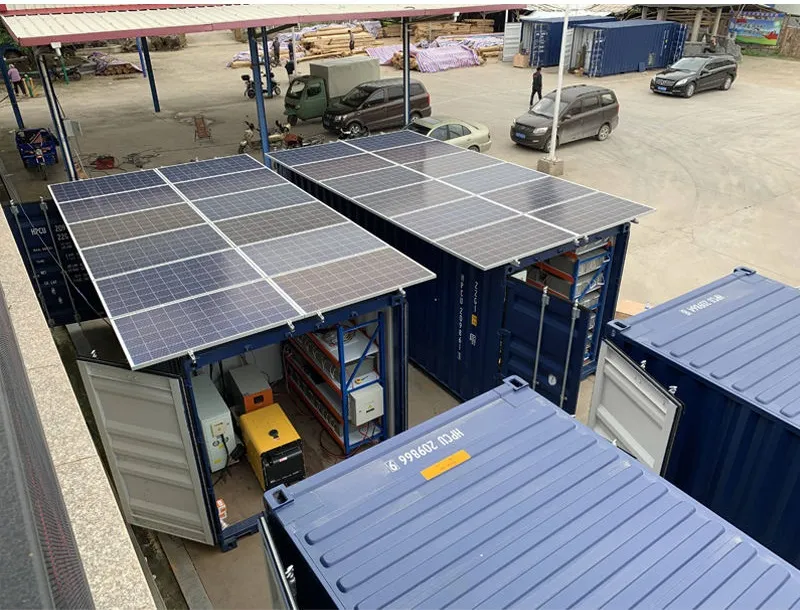
You know that feeling when you step out of an air-conditioned room into a thick, humid summer day? That muggy heat that wraps around you like a warm, wet blanket? Well, solar panels face that same discomfort daily in tropical climates. This is where wet heat testing becomes crucial. Unlike standard heat tests, wet heat testing replicates these tropical torture chambers - combining high temperatures with high humidity to uncover how solar panels handle real-world stress in places like Florida, Southeast Asia, or coastal regions.
Imagine installing a state-of-the-art solar array only to discover it starts bubbling and peeling like old paint after one rainy season. That's what we're preventing here. Both double-glass and transparent backplane panels have their strengths, but when steam meets silicon, their true colors show.
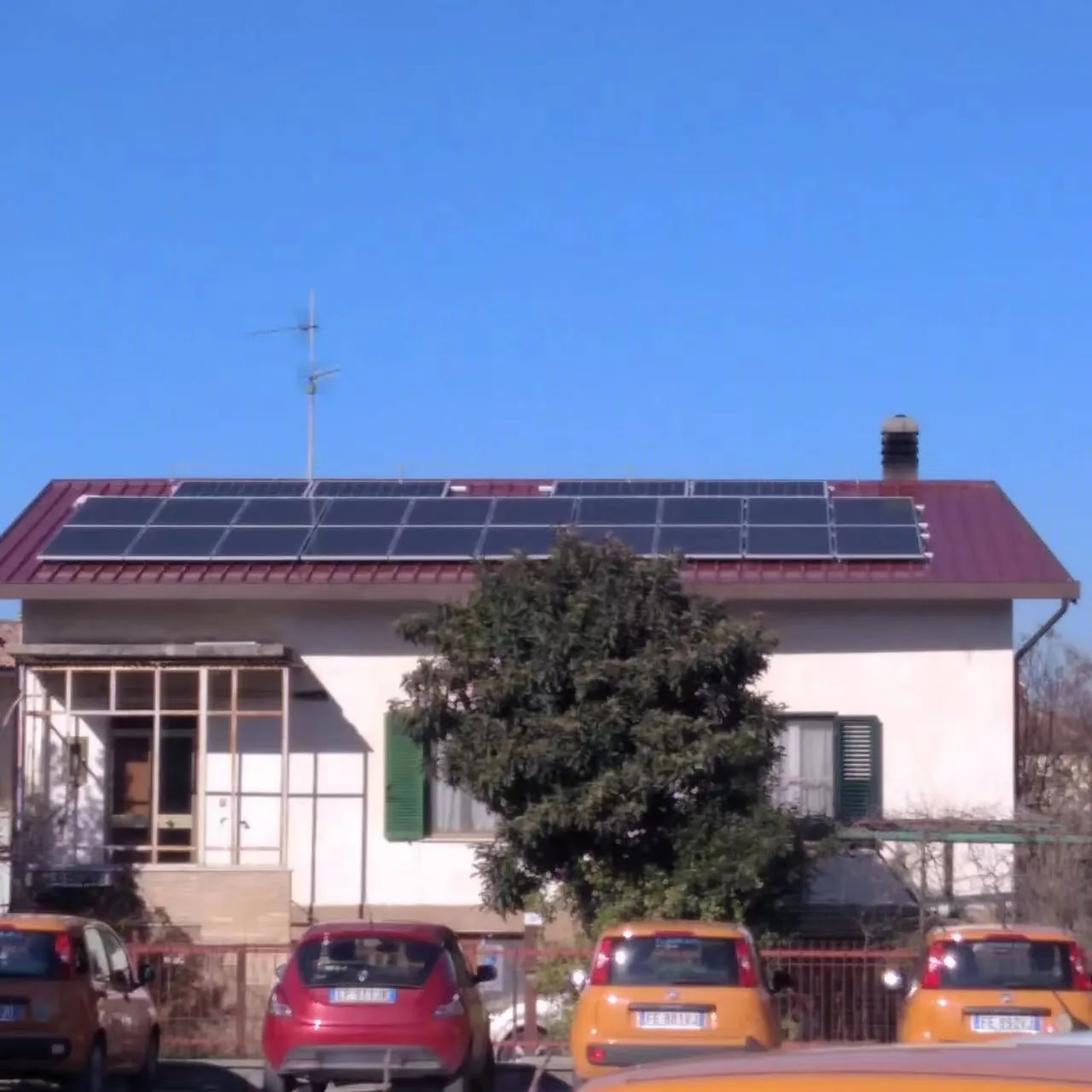
Let's take apart these solar workhorses. Traditional double-glass panels are the armored trucks of solar tech. Picture two sturdy glass sheets sandwiching the photovoltaic cells like a precious artifact. This construction creates an airtight seal that's fantastic for stability but adds considerable weight - like carrying a backpack full of textbooks instead of an e-reader.
Meanwhile, transparent backplane panels are the nimble athletes. They swap one glass layer for a lightweight composite backsheet. Think of it like trading a knight's armor for advanced breathable sportswear. This lightweight design is especially valuable in commercial installations where roof weight limitations matter. Plus, that transparent quality actually harvests reflected light from rooftops or surroundings - squeezing up to 30% more energy from the same footprint.
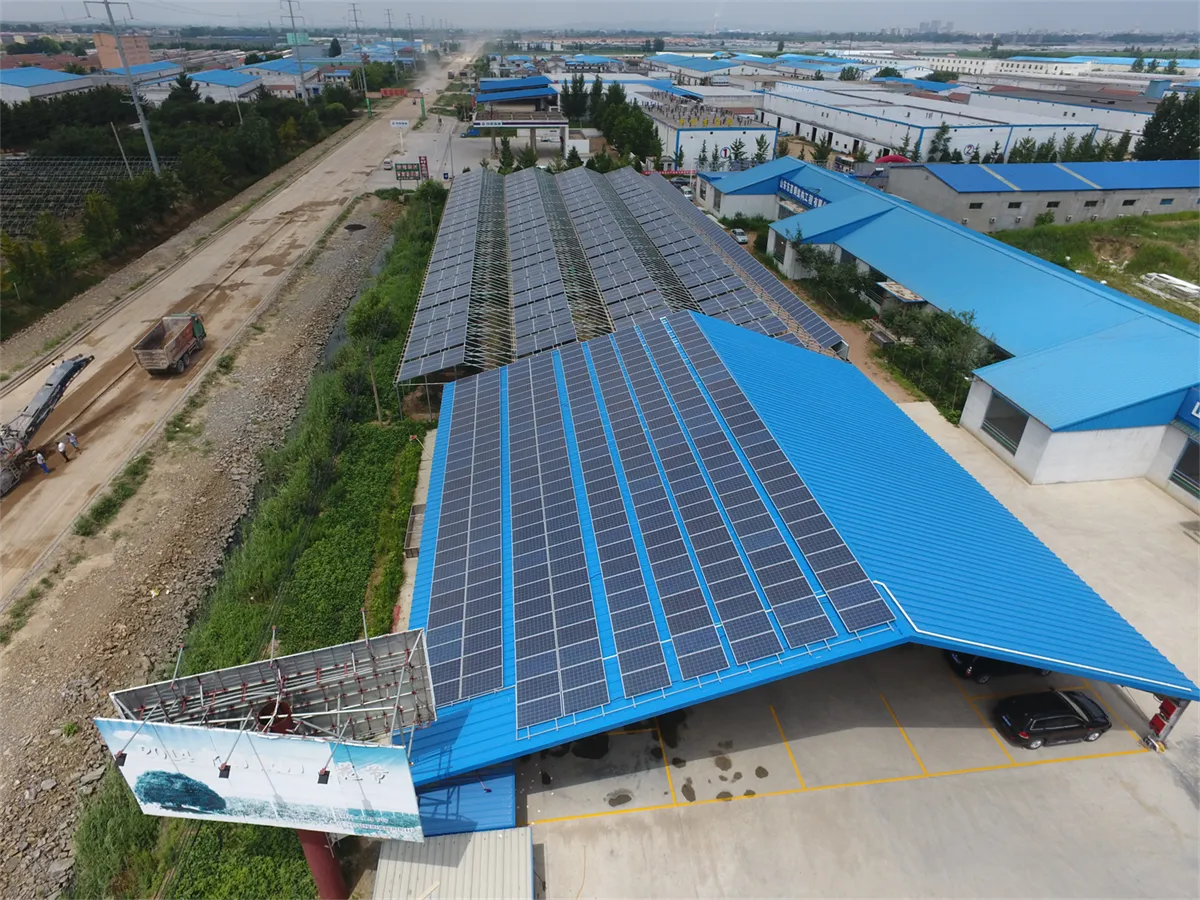
Our wet heat testing mimicked tropical nightmares: constant 85°C (185°F) with 85% relative humidity - essentially baking panels in a commercial steam room for 1000 hours. Here's what we found:
Double-Glass Soldiers: These panels showed incredible fortitude against humidity intrusion. Like a well-sealed submarine, they resisted water penetration remarkably well. However, we observed microscopic fractures at stress points when temperatures fluctuated rapidly - a phenomenon called thermal cycling. These micro-fractures gradually decreased efficiency by 4-5% in extreme wet heat conditions.
Transparent Backsheet Warriors: These demonstrated superior thermal management due to specialized polymer layers that dissipated heat efficiently - maintaining stability even during abrupt weather shifts. Weight was reduced by up to 35% compared to glass, a significant advantage. However, prolonged humidity caused minor surface texture changes that affected light diffusion in some models.
What surprised us? How installation method affected outcomes. Panels mounted with even minimal airflow space (just 2-3 inches) significantly outperformed those flush-mounted against surfaces. That breathing room became a game-changer for heat dissipation.
Transparent backplane panels maintained 2-3°C cooler cell temps through innovative polymer layers that shuttle heat away.
Double-glass creates a near-hermetic seal perfect for coastal installations with salty, moist air that eats at electronics.
Double-glass construction provides military-grade protection against falling palm fronds or storm debris.
Backsheet polymers showed slight yellowing after 8+ years equivalent exposure - light transmittance decreased 0.8% annually.
If you're installing panels along Florida coastlines where salt spray hangs heavy in the air? Double-glass panels are your fortress against corrosion. But if you're fitting panels on an RV exploring steamy Costa Rican jungles? Transparent backplane wins on weight savings and shadow performance.
Modern home builders creating eco-friendly building materials (here's our required keyword!) often blend both. They'll use double-glass on steep roof sections facing storm paths, while putting lightweight backsheet panels on shaded carports where reflected light harvesting boosts output.
The backsheet arena is exploding with innovation:
Meanwhile, glass manufacturers counter with self-cleaning coatings activated by UV light, reducing maintenance in desert environments where dust accumulates quickly.
Our testing revealed clever installation tricks that double panel lifespan:
Under-Panel Airflow: Creating just 4cm of airflow under panels reduced operating temps by 8-12°C compared to flush mounts. Simple aluminum channels made this happen.
Edge-Sealing: Applying butyl rubber sealing tape where frames meet glass prevented microscopic moisture paths - especially valuable in coastal sites.
Diagonal Positioning: Angling panels at 30° rather than flat created natural rain runoff that minimized mineral deposits during evaporative cycles.
The next evolution? Hybrid panels combining glass's impermeability with backsheet's lightweight advantages. Picture panels with a glass top surface for weather protection and a ventilated polymer base for enhanced cooling. Early prototypes show 7% efficiency gains in humid conditions with 20% weight reduction.
Material scientists have even created "smart" backsheets that change molecular structure when saturated, expelling moisture during peak sunlight hours through microporous vents that auto-close when humidity drops.
Before deciding between glass and backsheet panels:
Wet heat testing reveals what specs sheets hide: solar panels have personalities. Double-glass panels are dependable anchors with bulletproof protection, carrying extra baggage. Transparent backsheets are agile innovators, needing careful watching as they evolve. The winner? Your environment chooses for you.
In steamy Singapore? Grab that glass fortress. Cruising the humid Mediterranean on a yacht? That lightweight backsheet will shine. Just remember - no matter your choice, creating that small breathing space beneath panels makes the biggest humidity-busting difference. It's like giving solar panels their own personal pocket of breeze in a steam bath.
Recommend Products












