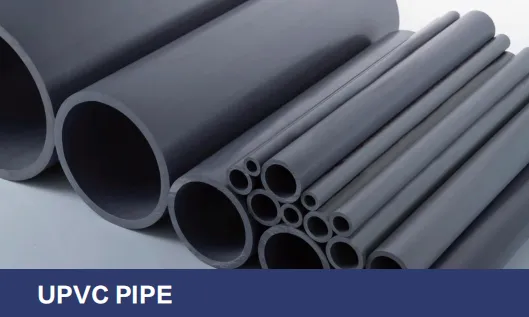
Imagine stepping outside in Riyadh in July—temperatures soar to 50°C, the sun blazes down with unrelenting intensity, and a sudden sandstorm whips gritty particles through the air. Now, think about the pipes hidden beneath the ground, behind walls, or running along rooftops that keep homes, hospitals, and shopping malls functional. These pipes don't just carry water or waste—they're the unsung heroes of daily life in a region where the climate is as unforgiving as it is beautiful. For decades, builders and engineers here have grappled with a critical question: what materials can stand up to the Middle East's extreme weather without faltering? Enter
UPVC pipe solutions—a game-changer that's quietly revolutionizing how we build and maintain infrastructure in this part of the world.
The Middle East Climate: A Battle Against the Elements
To understand why UPVC has become the material of choice, we first need to appreciate the unique challenges posed by Middle Eastern weather. This isn't just about "hot weather"—it's a cocktail of harsh conditions that would test any material to its limits:
Scorching Heat & UV Radiation:
Summer temperatures regularly exceed 45°C in cities like Dubai, Doha, and Jeddah. Prolonged exposure to such heat can cause materials to expand, warp, or degrade. Add in the intense UV radiation from the sun, and even "durable" plastics or metals start to break down over time. Pipes left exposed on rooftops or in uninsulated spaces often become brittle, leading to cracks and leaks.
Sandstorms & Abrasion:
Sand isn't just a nuisance at the beach—it's a silent abrasive that eats away at surfaces. Sandstorms, common in regions like Saudi Arabia and Kuwait, hurl tiny particles at high speeds, wearing down pipe exteriors and joints. For materials like concrete or metal, this abrasion accelerates corrosion and weakens structural integrity.
Humidity & Coastal Salt:
Coastal cities like Dubai and Abu Dhabi face a different threat: high humidity and salt-laden air. Saltwater spray from the Persian Gulf can corrode metal pipes within years, turning them into rusty, leak-prone liabilities. Even inland, humidity can lead to mold growth inside pipes, compromising water quality.
Flash Floods & Pressure Spikes:
While rain is rare, when it comes, it's often intense. Flash floods can overwhelm drainage systems, subjecting pipes to sudden pressure spikes. Pipes that aren't flexible or strong enough may crack under the strain, leading to costly water damage.
For years, builders relied on materials like galvanized steel, concrete, or even traditional PVC. But steel rusts, concrete cracks under thermal stress, and basic PVC lacks the UV resistance needed for the region. That's where UPVC—unplasticized polyvinyl chloride—steps in, offering a blend of durability, flexibility, and weather resistance that's hard to match.
Why UPVC? The Science Behind the Solution
UPVC isn't just "regular PVC with a fancy name." The "unplasticized" part is key: unlike standard PVC, which contains plasticizers that make it flexible but less stable, UPVC is rigid, strong, and free of these additives. This gives it a unique set of properties tailor-made for the Middle East:
1. UV Resistance: Standing Up to the Sun's Fury
One of the biggest enemies of plastic pipes is UV radiation, which breaks down molecular bonds and causes brittleness. But modern
UPVC pipe solutions include specialized UV stabilizers—additives that absorb or reflect UV rays, preventing them from damaging the pipe's structure. A quality
upvc pipe supplier will ensure their products meet strict UV resistance standards, such as those set by the Saudi Standards, Metrology and Quality Organization (SASO), guaranteeing that pipes can withstand years of direct sunlight without degradation.
2. Thermal Stability: No More Warping or Cracking
Extreme temperature swings—from 50°C during the day to 20°C at night—cause materials to expand and contract. Metal pipes can warp or even burst under this stress, while concrete develops hairline cracks. UPVC, however, has a low coefficient of thermal expansion, meaning it expands and contracts minimally. This stability reduces the risk of leaks at joints and ensures long-term structural integrity, even in the Middle East's temperature rollercoaster.
3. Corrosion & Chemical Resistance: A Material That Fights Back
Whether it's saltwater, sand, or the chemicals often found in wastewater, UPVC doesn't flinch. It's inert to most acids, alkalis, and salts, making it ideal for both potable water systems and drainage (think
pvc dwv pipe solutions—Drain, Waste, and Vent systems). Unlike metal, it won't rust or corrode, and unlike concrete, it won't leach minerals into the water. This resistance isn't just about durability; it's about ensuring clean, safe water for homes, hospitals, and schools.
4. Lightweight & Easy to Install: Saving Time and Money
Let's not overlook the practical side: UPVC pipes are lightweight, making them easier to transport and install compared to heavy metal or concrete pipes. This reduces labor costs and speeds up construction—critical in a region where building projects often have tight deadlines. Their smooth inner surface also reduces water flow resistance, improving efficiency and lowering energy costs for pumping systems.
5. Flexibility with Strength: Bending Without Breaking
Despite being rigid, UPVC has a degree of flexibility that helps it withstand pressure spikes from flash floods or sudden water flow increases. This flexibility, combined with its high impact strength, makes it resistant to cracking—even when buried under shifting sand or subjected to ground movement.
|
Material
|
UV Resistance
|
Thermal Stability
|
Corrosion Resistance
|
Installation Ease
|
Cost Over 20 Years*
|
|
Galvanized Steel
|
Poor (rusts quickly)
|
Moderate (prone to warping)
|
Poor (corrodes in salt/humidity)
|
Heavy, requires welding
|
High (replacement + maintenance)
|
|
Concrete
|
Good (but cracks in heat)
|
Poor (thermal expansion causes cracks)
|
Moderate (susceptible to abrasion)
|
Heavy, requires specialized labor
|
High (repairs + leakage issues)
|
|
Standard PVC
|
Poor (brittles in UV)
|
Moderate (softens in extreme heat)
|
Good (but not for high pressure)
|
Lightweight, easy
|
Moderate (replacement after 10-15 years)
|
|
UPVC
|
Excellent (with UV stabilizers)
|
Excellent (low thermal expansion)
|
Excellent (resists salt, chemicals, sand)
|
Lightweight, no welding needed
|
Low (minimal maintenance, 50+ year lifespan)
|
*Estimated costs include initial purchase, installation, maintenance, and replacement.
A reliable
upvc pipe supplier doesn't just sell pipes—they offer comprehensive solutions tailored to the Middle East's unique needs. These solutions go beyond the material itself, encompassing design, installation, and after-sales support to ensure long-term performance.
Customized Solutions for Every Project
Whether it's a luxury villa in Riyadh, a hospital in Dubai, or a commercial complex in Doha, every project has different requirements. A reputable
upvc pipe supplier will work with architects and engineers to provide customized solutions:
Residential Water Supply:
For homes, UPVC pipes with smooth inner surfaces ensure efficient water flow and reduce the risk of bacterial growth. UV-resistant grades are used for exposed sections, while thicker-walled pipes handle higher water pressure in multi-story buildings.
Commercial Drainage:
Pvc dwv pipe solutions are critical for commercial spaces like malls and hotels, where large volumes of wastewater need to be moved quickly. UPVC DWV pipes are designed to handle high flow rates and resist clogs, with leak-proof joints that prevent odors from escaping.
Industrial Applications:
Factories and industrial facilities often deal with chemicals or high-temperature fluids. UPVC's chemical resistance makes it ideal for these environments, with specialized grades available for extreme conditions.
Innovations in UPVC Technology
The best upvc pipe suppliers are constantly innovating to meet evolving challenges. Recent advancements include:
Reinforced UPVC Pipes:
For high-pressure applications, like municipal water supply, reinforced UPVC pipes (with fiberglass or carbon fiber layers) offer even greater strength and durability.
Noise-Reducing Pipes:
In residential and commercial buildings, noise from flowing water can be a nuisance. New UPVC pipe designs with foam insulation layers reduce noise transmission, creating quieter living and working spaces.
Leak-Proof Jointing Systems:
Traditional solvent-welded joints are strong, but modern push-fit or compression joints make installation faster and reduce the risk of human error. These joints are designed to withstand thermal movement and pressure spikes, ensuring a tight seal for decades.
Case Study: A Resort in Dubai's Coastal Heat
A luxury beachfront resort in Dubai was struggling with frequent pipe leaks in its outdoor irrigation system. The previous galvanized steel pipes were corroding due to saltwater spray, requiring costly repairs every 2-3 years. The resort switched to UV-resistant UPVC pipes supplied by a local
upvc pipe supplier, and the results were dramatic: after 5 years, there have been zero leaks, and the pipes show no signs of corrosion or UV damage. Maintenance costs have dropped by 80%, and the irrigation system now operates more efficiently, saving water in a region where every drop counts.
Choosing the Right UPVC Pipe Supplier: What to Look For
Not all UPVC pipes are created equal. In a market flooded with options, choosing the right supplier is just as important as choosing the material itself. Here's what to prioritize:
1. Compliance with Local Standards
The Middle East has strict regulations for building materials, and pipes are no exception. Look for a supplier whose products meet SASO standards in Saudi Arabia, Emirates Authority for Standardization and Metrology (ESMA) in the UAE, or other regional certifications. These standards ensure that pipes have been tested for UV resistance, pressure tolerance, and durability in local conditions.
2. Quality Control & Testing
A reputable
upvc pipe supplier will have rigorous quality control processes in place. Ask about their testing procedures: do they test every batch for UV resistance? What about impact strength and chemical resistance? Transparent suppliers will happily share test reports and certifications, giving you peace of mind that you're getting a reliable product.
3. Technical Support & Expertise
Installing UPVC pipes isn't just about buying the right product—it's about installing it correctly. The best suppliers offer technical support, helping with everything from pipe sizing to jointing techniques. They'll have experts who understand local climate challenges and can recommend the best solutions for your specific project.
4. Sustainability Practices
As the Middle East moves toward greener building practices, sustainability matters. UPVC is inherently eco-friendly—it's recyclable, requires less energy to produce than metal or concrete, and its long lifespan reduces waste. Choose a supplier committed to sustainable manufacturing, such as using recycled materials or reducing carbon emissions in production.
The Future of Building in the Middle East: UPVC Leading the Way
As cities like Neom in Saudi Arabia and the Expo 2020 legacy projects in Dubai push the boundaries of sustainable architecture, the demand for durable, weatherproof materials will only grow.
UPVC pipe solutions are poised to play a starring role in this future, offering a blend of performance, cost-effectiveness, and sustainability that's hard to match.
For homeowners, this means fewer plumbing emergencies and lower utility bills. For builders and developers, it means faster construction timelines and projects that stand the test of time. And for the planet, it means reduced resource consumption and a smaller carbon footprint.
In the end, the Middle East's extreme climate isn't just a challenge—it's an opportunity to innovate. UPVC pipes, backed by reliable suppliers and cutting-edge technology, are proving that with the right materials, we can build infrastructure that doesn't just survive the elements, but thrives in them.