
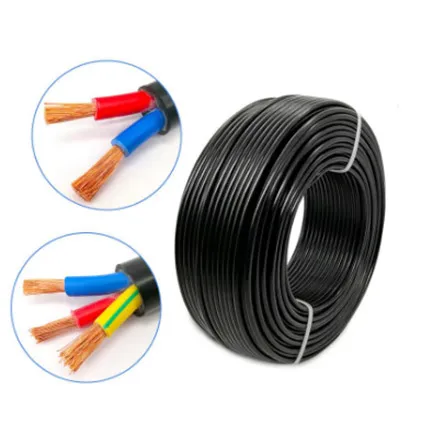
When it comes to outdoor construction, especially in harsh climates like the Middle East, the right cables aren't just components—they're the silent backbone that keeps projects running safely and efficiently. For decades, builders and contractors have faced the same: cables crack under extreme heat, fray in sandstorms, or fade under relentless UV rays. But what if there was a solution that could stand up to Mother Nature's worst, while keeping your project on track? Let's dive into the world of weather-resistant red, yellow, and white cables, and why they're becoming a game-changer for outdoor construction.
Walk onto any construction site, and you'll notice cables in every shade—but red, yellow, and white aren't just random choices. These colors are part of a global safety language, designed to prevent chaos and keep workers out of harm's way. Imagine a busy site where electricians are rushing to connect power for a new commercial building: red cables scream "high voltage," yellow warns of "control circuits," and white marks "neutral lines." Mixing them up? That's a recipe for accidents, delays, or worse.
But in outdoor settings, color does more than just signal safety—it has to last . Think about Saudi Arabia's midday sun, where temperatures regularly hit 45°C (113°F) and UV radiation is off the charts. A cheap white cable might turn brittle and yellow in months, making it hard to identify its purpose. Red and yellow? They fade to a dull pink or beige, losing their warning power. That's where weather-resistant cables step in: their color pigments are embedded deep into the insulation, so even after years in the sun, they stay bright and recognizable. It's not just about looking good—it's about keeping crews safe, even on the hottest days.
Let's get technical—but not too technical. Weather-resistant cables aren't just regular cables with a fancy label. They're built from the ground up to survive the elements, starting with the materials that wrap around the copper or aluminum conductors. Most outdoor cables use a tough outer jacket made from materials like cross-linked polyethylene (XLPE) or polyvinyl chloride (PVC), but the best ones take it further.
Take UV resistance, for example. The sun's UV rays break down plastic over time, turning it into a crumbly mess. Weather-resistant cables add special stabilizers to the jacket that act like sunscreen, absorbing UV radiation before it damages the material. Then there's temperature tolerance: in places like Dubai or Jeddah, where summer nights might drop to 30°C (86°F) and days soar to 50°C (122°F), cables need to flex without cracking when it's cold and not melt when it's hot. The good ones can handle a range of -40°C to 90°C (-40°F to 194°F)—that's like surviving a winter in Canada and a summer in Saudi Arabia in the same day.
Moisture and corrosion are another big threat. Outdoor cables often get rained on, splashed with water, or buried in damp soil. A quality weather-resistant cable will have a water-resistant jacket and, for underground use, an extra layer of armor (like steel or aluminum tape) to block moisture. Even sandstorms, a common headache in the Middle East, won't scratch or abrade the jacket—no more frayed cables after a windy day.
| Feature | Regular Outdoor Cables | Weather-Resistant Cables |
|---|---|---|
| UV Resistance | Fades in 6–12 months; jacket cracks | Stable color for 5–10 years; jacket remains flexible |
| Temperature Range | -10°C to 60°C (14°F to 140°F) | -40°C to 90°C (-40°F to 194°F) |
| Water Protection | Basic resistance; risks moisture ingress | Waterproof jacket + armor layer (for underground use) |
| Abrasion Resistance | Scratches easily; jacket tears under friction | Reinforced jacket resists sand, rocks, and tools |
We mentioned color matters for identification, but let's break it down. In most countries, electrical codes mandate specific colors for different types of circuits, and for good reason. Red cables are typically used for high-voltage lines (think 415V in commercial buildings), yellow for control circuits (like elevator controls or lighting dimmers), and white for neutral or grounded conductors . Mixing these up isn't just a code violation—it's dangerous.
Imagine a worker accidentally connecting a red high-voltage cable to a white neutral line. The result? Sparks, blown fuses, or even electrical fires. Weather-resistant cables don't just keep their color—they keep their meaning . When you're working on a sprawling construction site, with cables snaking across rooftops and through trenches, being able to spot a red cable from 20 feet away could save a life. It's not just about compliance; it's about building with confidence, knowing every wire is exactly where it should be.
Let's talk about where these red, yellow, and white weather-resistant cables actually get used. Spoiler: it's not just "outdoor construction"—it's everywhere from residential complexes to massive commercial projects, and especially in regions with tough climates like the Middle East.
Think about a new housing development on the outskirts of Riyadh. Each home needs outdoor lighting, security cameras, and maybe even solar panel connections. The cables running from the main panel to these outdoor fixtures are exposed to sun, rain, and dust 24/7. A regular cable might last 2–3 years before needing replacement, but a weather-resistant one? 10–15 years, easy. And with red, yellow, and white coding, electricians can quickly trace circuits when a homeowner calls about a tripped breaker. No more digging through a jumble of gray wires—just follow the colors.
Now picture a shopping mall in Dubai, with its sprawling parking lots, outdoor food courts, and decorative lighting. The cables here don't just need to handle more power—they need to look neat. Weather-resistant cables with vibrant red, yellow, and white jackets stay tidy and visible, even after years of exposure. And when the mall expands (because growth in the Middle East never stops), contractors can easily add new lines without confusing them with existing ones. It's the kind of efficiency that keeps projects on schedule and budgets in check.
Industrial zones, like those near Jeddah's port, are another story. Here, cables might face saltwater spray, heavy machinery traffic, and constant vibration. Weather-resistant cables with armored jackets stand up to this abuse, ensuring power stays on for critical equipment. And with color-coded lines, maintenance crews can shut down specific circuits without disrupting the entire operation. It's the difference between a 1-hour maintenance window and a full-day shutdown.
So you need weather-resistant red, yellow, and white cables for your next project. Where do you start? Sure, you could order from a generic online store, but outdoor construction is too important to cut corners. The best suppliers don't just sell cables—they sell peace of mind, backed by local expertise and a commitment to quality.
Take a supplier with deep roots in the Middle East, for example. They know the region's climate isn't just "hot"—it's hot, dusty, and unpredictable. A cable that works in Europe might fail here, because it wasn't tested for Saudi Arabia's unique conditions. Local suppliers test their cables in real-world environments: leaving them out in the desert sun for months, subjecting them to sandstorm simulations, and checking how they hold up in 90% humidity. It's not just about meeting international standards; it's about exceeding local needs.
Then there's the value of one-stop solutions . If you're building a hospital or a hotel, you don't just need cables—you need flooring, lighting, bathroom fixtures, and more. A supplier that offers everything under one roof saves you time, money, and headaches. No more coordinating with 10 different vendors; just one point of contact, one delivery schedule, and one quality standard. It's the kind of efficiency that turns a stressful project into a smooth one.
In a world focused on reducing waste and hitting sustainability goals, weather-resistant cables are a secret weapon. Think about it: a cable that lasts 15 years instead of 3 means fewer replacements, less material in landfills, and lower carbon emissions from manufacturing and transportation. It's a small choice that adds up—especially for large projects like schools, hospitals, or government buildings that aim to meet green building standards.
Some suppliers take it further, using recycled materials in their cable jackets or offsetting carbon emissions from production. It's not just about being "green"—it's about building for the future. When you choose a cable that's built to last, you're not just investing in your project; you're investing in a more sustainable construction industry.
Outdoor construction is tough enough without worrying about your cables failing. Weather-resistant red, yellow, and white cables aren't a luxury—they're a necessity, especially in harsh climates like the Middle East. They keep your site safe, your project on track, and your budget in check, all while standing up to sun, sand, rain, and time.
When you're ready to choose, look for a supplier that understands your local needs, offers more than just cables, and stands behind their products. After all, the best cables are the ones you forget about—because they just work, day in and day out, no matter what the weather throws at them.
So go ahead, build with confidence. Your project deserves cables that are as tough as the vision behind it.
Recommend Products












