
Imagine standing on a construction site in Riyadh in July. The sun blazes down, pushing temperatures to 50°C (122°F), while a dry wind whips sand across the scaffolding. Nearby, in Dubai, a sudden summer downpour—though rare—hits the city, mixing with dust to form a gritty sludge that clings to every surface. In Doha, the humidity spikes in August, creating a thick, oppressive air that seems to seep into every crack. This is the reality of building in the Middle East: a climate so extreme, it tests the limits of even the most durable materials.
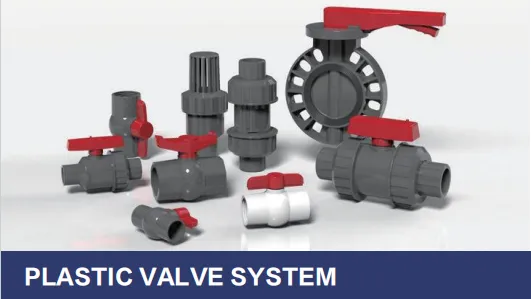
For contractors, architects, and project managers, one of the most critical components in this battle is often overlooked: the humble valve. Hidden behind walls, buried underground, or tucked into mechanical rooms, valves control the flow of water, gas, and other fluids that keep buildings functional. But in the Middle East, where the environment is relentless, a valve that fails isn't just a minor inconvenience—it can lead to catastrophic leaks, project delays, and skyrocketing maintenance costs. This is especially true for plastic valve systems, which have grown in popularity due to their corrosion resistance, lightweight design, and affordability. Yet, not all plastic valves are created equal, and the difference between a system that lasts 20 years and one that cracks in five often comes down to the supplier.
As a plastic valve system supplier operating in the region for over a decade, we've seen firsthand the consequences of cutting corners. A school in Jeddah once replaced its entire plumbing system after just three years because the plastic valves, sourced from a low-cost international supplier, warped under constant heat, causing leaks that damaged classrooms and disrupted classes. A hospital in Abu Dhabi faced similar issues when UV radiation from the intense sun degraded the valve seals, leading to water pressure fluctuations in critical areas like operating rooms. These stories aren't anomalies—they're warnings. In a climate where temperatures can swing from freezing nights in the desert to scorching days, where sandstorms abrade surfaces, and where UV rays are 30% stronger than in temperate zones, the right plastic valve system isn't a luxury; it's a necessity.
At first glance, metal valves might seem like the safer choice for harsh climates. After all, metal is strong, rigid, and has a reputation for durability. But in the Middle East, metal has a fatal flaw: corrosion. The region's soil is often high in salt, and groundwater can contain minerals that eat away at iron, steel, and even copper over time. A metal valve buried in Dubai's coastal soil, for example, might start showing signs of rust within five years, leading to leaks and eventual failure. Plastic valves, on the other hand, are inherently corrosion-resistant. Materials like UPVC, CPVC, and PPR don't react to salt, chemicals, or minerals, making them ideal for underground installations, water treatment plants, and coastal projects.
Cost is another factor. Metal valves are heavier, requiring more labor to transport and install, which drives up project costs. Plastic valves are lightweight, reducing shipping fees and making on-site handling easier—especially in high-rise construction where every kilogram counts. Additionally, plastic valves have smoother inner surfaces, which reduces friction and improves water flow, lowering energy costs for pumps and HVAC systems. For large-scale projects like shopping malls, hotels, or residential complexes, these savings add up quickly.
But the real advantage of plastic valves lies in their versatility. Modern manufacturing techniques allow suppliers to create custom plastic valve system solutions tailored to specific project needs. Need a valve that can handle the high temperatures of a hospital's sterilization equipment? CPVC valves can withstand up to 93°C (200°F). Building a school in a sandstorm-prone area like Riyadh? Valves with reinforced plastic bodies and rubberized seals can resist abrasion from blowing sand. For coastal projects in Bahrain, where saltwater exposure is constant, UPVC valves with UV stabilizers prevent degradation from the sun's rays. The key, however, is partnering with a supplier who understands not just the product, but the unique challenges of the Middle East.
To understand why supplier expertise matters, let's break down the specific climate threats plastic valves face in the Middle East:
Temperatures in the Middle East regularly exceed 45°C (113°F) in summer, and in enclosed spaces like attics or mechanical rooms, temperatures can soar even higher. For plastic valves, heat causes molecular breakdown over time. Low-quality plastics become brittle, their seals lose elasticity, and the valves may warp or crack when pressure is applied. This is why material selection is critical. A valve made from standard PVC, for example, has a maximum operating temperature of around 60°C (140°F), which is quickly exceeded in a Dubai summer. A plastic valve system supplier specializing in the Middle East will instead recommend CPVC or PPR, which are formulated to withstand higher temperatures without losing structural integrity.
The Middle East sits close to the equator, meaning UV radiation is far more intense than in Europe or North America. Over time, UV rays break down the chemical bonds in plastic, causing it to become discolored, brittle, and prone to cracking. This is a particular problem for valves installed outdoors, such as those in irrigation systems or rooftop HVAC units. Reputable suppliers combat this by adding UV stabilizers during the manufacturing process—compounds that absorb or reflect UV rays, slowing degradation. Some even conduct accelerated UV testing, exposing valves to artificial sunlight for thousands of hours to simulate 20 years of real-world exposure.
Sandstorms are a fact of life in the Arabian Peninsula. These storms carry tiny, sharp particles that act like sandpaper, wearing down valve exteriors and infiltrating seals. In extreme cases, sand can get trapped in valve mechanisms, preventing them from opening or closing properly. Suppliers address this by designing valves with smooth, rounded exteriors to minimize sand buildup and using durable, abrasion-resistant materials for moving parts. Some even offer valves with protective coatings or dust covers for outdoor installations.
Groundwater and soil in parts of the Middle East can contain high levels of minerals like calcium, magnesium, and sulfates, which can corrode metal but also affect certain plastics if not properly formulated. Additionally, water treatment plants often use chlorine or other disinfectants that can degrade valve seals over time. A knowledgeable supplier will test their valves against these chemicals, ensuring they meet regional standards like SASO (Saudi Arabian Standards Organization) or Emirates Standardization and Metrology Authority (ESMA) requirements.
So, what separates a reliable plastic valve system supplier from one that's just in it for the sale? Here are the key factors we've identified through years of working in the region:
Not all plastics are created equal, and the best suppliers invest heavily in material research. For example, our own R&D team in Riyadh developed a proprietary blend of CPVC for use in hospital settings, where temperatures are consistently high and hygiene is critical. This blend includes heat-resistant additives that allow the valves to operate at 95°C (203°F) without warping, as well as antimicrobial agents to prevent the growth of bacteria in water lines. Similarly, for coastal projects, we use UPVC with added titanium dioxide, which acts as a UV absorber, extending the valve's lifespan by up to 30% compared to standard UPVC.
To help clients choose the right material, we've created the following comparison table, based on our testing in Middle East conditions:
| Material | Max Continuous Temperature | UV Resistance | Sand Impact Resistance | Chemical Resistance | Best For |
|---|---|---|---|---|---|
| UPVC | 60°C (140°F) | Good (with stabilizers) | High | Excellent (salt, minerals) | Underground pipes, cold water systems, coastal areas |
| CPVC | 93°C (200°F) | Excellent (with stabilizers) | High | Excellent (chlorine, disinfectants) | Hospitals, schools, hot water systems, industrial facilities |
| PPR | 70°C (158°F) continuous, 95°C (203°F) intermittent | Moderate (best for indoor use) | Medium | Good (low chemical exposure) | Residential plumbing, HVAC systems, non-corrosive water lines |
| PEX | 82°C (180°F) continuous | Poor (indoor use only) | Low | Excellent (flexible, resistant to freeze-thaw) | Underfloor heating, cold water lines in cold climates (e.g., mountainous regions of Oman) |
A great material is only as good as the manufacturing process. The top suppliers in the region don't just import generic valves—they manufacture or source them from facilities that adhere to strict quality control standards. This includes testing raw materials for purity, monitoring production temperatures to ensure uniform plastic molding, and inspecting every valve for defects before it leaves the factory. For example, our facility in Dammam uses automated pressure testing machines that subject each valve to 1.5 times its maximum operating pressure for 30 minutes, ensuring there are no hidden leaks.
Another critical step is third-party certification. Reputable suppliers will have their products certified by organizations like ISO (International Organization for Standardization), ASTM International, or local bodies like SASO. These certifications aren't just pieces of paper—they're proof that the valves have been tested to meet global or regional standards for safety and performance. For instance, our UPVC pipe and valve systems carry SASO certification, which is mandatory for projects in Saudi Arabia, giving clients peace of mind that they're compliant with local regulations.
In the fast-paced world of Middle East construction, projects often have tight deadlines and unique challenges. A good supplier doesn't just deliver valves—they provide technical support from the design phase to post-installation. Our team of engineers, for example, works closely with architects and contractors to recommend the right valve type and material for each project. For a recent mall development in Kuwait, we conducted a thermal analysis of the building's mechanical room, suggesting CPVC valves instead of PPR due to the high ambient temperatures, which saved the client from potential failures down the line.
After-sales service is equally important. Valves can fail for reasons beyond material or manufacturing issues—improper installation, for example, or accidental damage during construction. The best suppliers offer on-site inspections, repair services, and replacement warranties. We once dispatched a team to a residential complex in Abu Dhabi within 24 hours of a reported leak, discovering that the valves themselves were intact but had been installed with the wrong gaskets. We replaced the gaskets free of charge and provided training to the contractor's team to prevent future issues.
There's no substitute for local knowledge. A supplier based in Europe or Asia might have excellent products, but they may not understand the nuances of Middle East climates or regulations. Local suppliers, on the other hand, have boots on the ground. They know which areas have particularly harsh sandstorms, which groundwater sources are high in minerals, and which certifications are required for government projects. They also have faster lead times, as they don't have to ship products halfway around the world, which is crucial for projects facing tight deadlines.
For example, when a hospital in Riyadh needed emergency valve replacements during a heatwave, our local warehouse was able to deliver the required CPVC valves within 48 hours, preventing a shutdown of critical services. An international supplier would have taken weeks, leading to potential risks for patient care.
To illustrate the impact of choosing the right plastic valve system supplier , let's look at a recent project we partnered on: a new K-12 school in Riyadh, part of Saudi Arabia's Vision 2030 initiative to modernize education infrastructure. The project had a strict deadline—completion before the start of the academic year—and the contractor was under pressure to stay on budget.
Initially, the contractor planned to use imported PPR valves, citing lower costs. However, during the design phase, our technical team flagged a problem: the school's plumbing system would be installed in the ceiling, where temperatures could reach 60°C (140°F) during summer. Standard PPR valves, we explained, have a maximum continuous operating temperature of 70°C, but prolonged exposure to 60°C could reduce their lifespan significantly. We recommended switching to our proprietary CPVC blend, which is rated for 93°C and includes UV stabilizers (even though the valves would be indoors, the school's atriums let in intense sunlight, which could indirectly heat the ceiling space).
The contractor was hesitant at first, concerned about the higher upfront cost of CPVC. To address this, we provided data from a similar project—a school in Jeddah we'd supplied five years earlier—where the CPVC valves were still operating perfectly, with zero leaks or maintenance issues. We also offered a 15-year warranty, double the standard 7-year warranty on the imported PPR valves. Convinced, the contractor made the switch.
The result? The school opened on time, and two years later, a follow-up inspection showed the valves were in pristine condition. The contractor later told us that the decision to switch had saved them an estimated SAR 200,000 (around $53,000) in potential maintenance costs over the first decade. More importantly, the school has never experienced a plumbing-related disruption, ensuring students and staff can focus on learning rather than repairs.
As the Middle East continues to grow—with mega-projects like NEOM, the Red Sea Project, and Dubai 2040—demand for durable, cost-effective building materials will only increase. For plastic valve systems, this means ongoing innovation. Suppliers are already exploring new materials, such as nanocomposite plastics that offer even better heat and UV resistance, as well as smart valves with sensors that can monitor pressure, temperature, and flow in real time, alerting maintenance teams to potential issues before they become failures.
Sustainability is also a growing concern. The region's focus on green building initiatives, like LEED certification, is pushing suppliers to develop eco-friendly options. Our own team is currently testing a biodegradable plastic valve for low-pressure applications, made from plant-based materials that break down naturally if disposed of, without releasing harmful chemicals. While this technology is still in its early stages, it's a sign of the industry's commitment to reducing environmental impact.
Ultimately, though, the most important factor will remain the same: trust. In a climate as unforgiving as the Middle East, contractors and project managers need to trust that their suppliers have their best interests at heart—that the valves they install today will still be working tomorrow. This trust is built not just on product quality, but on transparency, expertise, and a genuine understanding of the region's unique challenges.
Plastic valve systems have revolutionized construction in the Middle East, offering a cost-effective, corrosion-resistant alternative to metal. But in a region where the climate is as harsh as the competition, choosing the right supplier is just as important as choosing the right product. A reliable plastic valve system supplier doesn't just sell valves—they provide peace of mind, backed by material science, manufacturing excellence, technical support, and local expertise.
Whether you're building a hospital in Riyadh, a school in Dubai, or a commercial complex in Doha, the valves you choose will play a critical role in the success of your project. Don't leave it to chance. Invest in a supplier who understands the Middle East—not just as a market, but as a place where buildings must stand strong against the elements for decades to come. After all, in the desert, the difference between a valve that lasts and one that fails is the difference between a project that thrives and one that fades away.
Recommend Products












