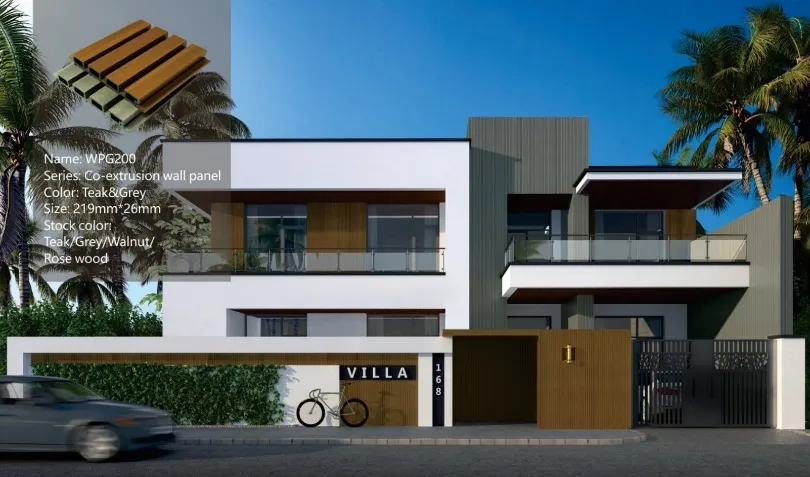
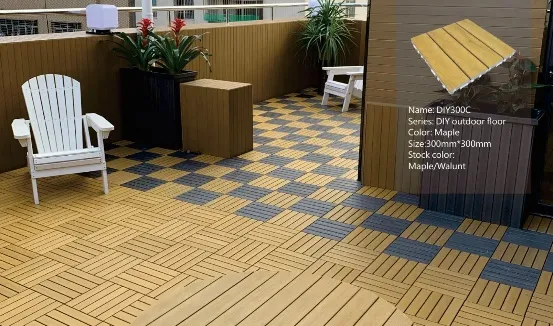
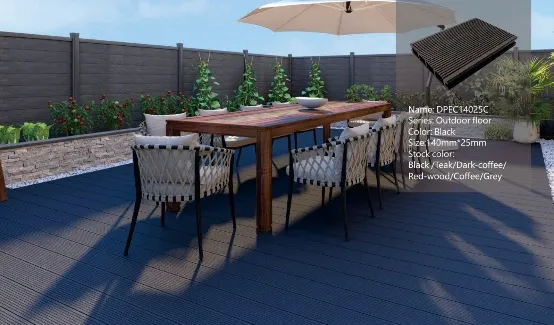
First things first: WPC stands for Wood-Plastic Composite. Think of it as the perfect blend of natural wood fibers and recycled plastic polymers, mixed with additives to boost strength, durability, and resistance to the elements. Unlike traditional materials like solid wood or even some laminates, WPC panels are engineered to handle moisture, humidity, and daily wear and tear without breaking a sweat.
Here's what makes them unique: the wood fibers give them a warm, natural look and feel, while the plastic component adds water resistance and structural stability. It's like getting the best of both worlds—beauty and brawn. And because they're made with recycled materials, they're also a more sustainable choice compared to resource-heavy options like ceramic tiles or solid hardwood.
But not all WPC panels are created equal. The key lies in the manufacturing process. A quality WPC wall panel factory will use high-grade raw materials, precise mixing ratios, and advanced extrusion techniques to ensure the panels are dense, uniform, and truly waterproof. That's where experience and expertise come into play—something we'll circle back to later.