
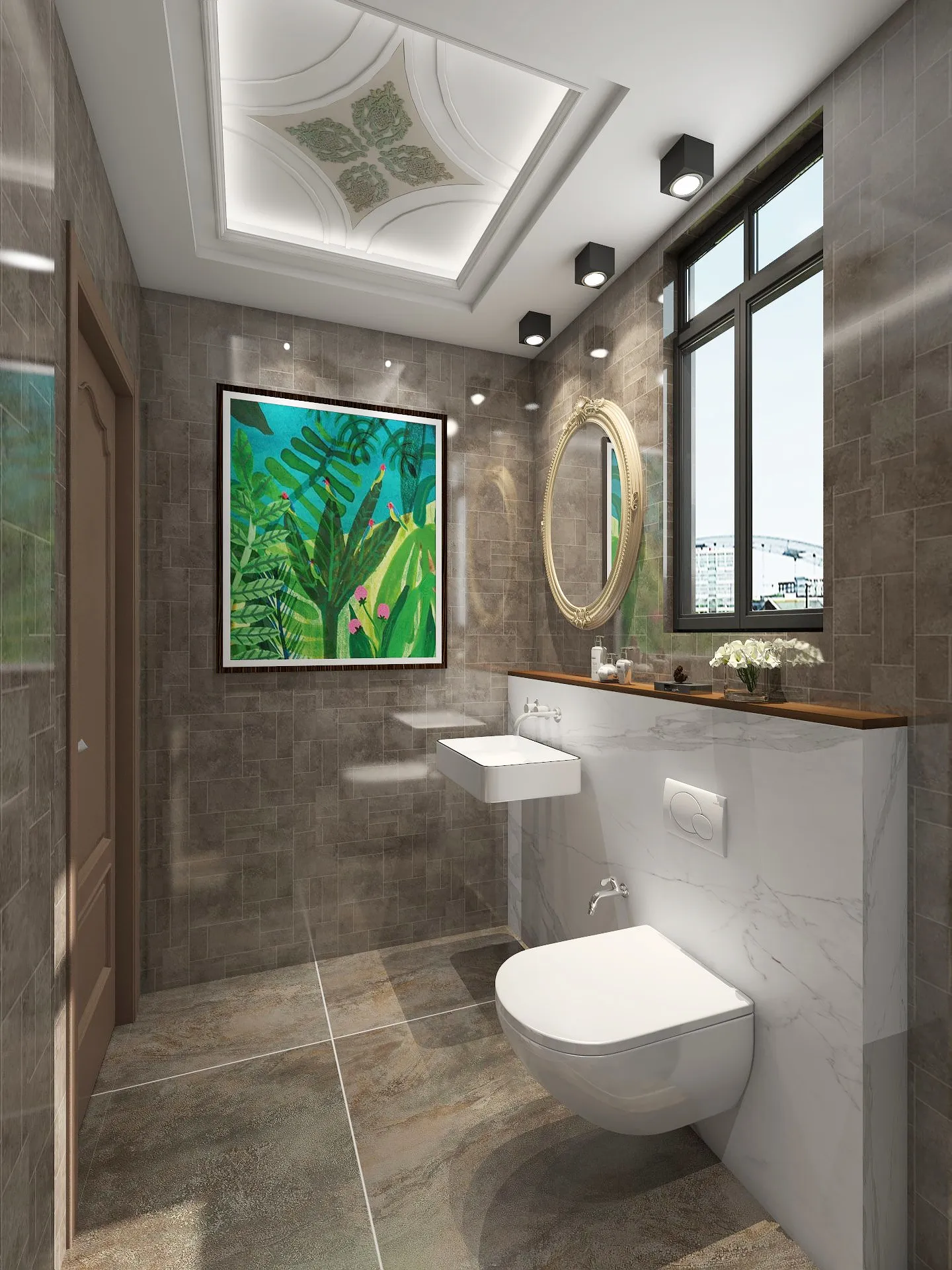
Picture this: You've just redesigned your bathroom with stunning Italian marble countertops, energy-efficient lighting... yet you're still flushing money down the drain with outdated water-guzzling fixtures. The secret to genuine eco-luxury lies not in grand gestures, but in the intimate relationship between your basin and faucet - a partnership that can save thousands of gallons annually while elevating your daily rituals.
Contrary to popular belief, water conservation isn't just about flow restrictors. The geometry of your sink creates hydraulic behaviors most designers overlook:
Hydrodynamic Insight: Oval basins with a 5-7° sloped bottom reduce splash zones by 22% compared to flat-bottom rectangles, minimizing water escape while washing hands. Meanwhile, deeper cylindrical bowls create vortex effects that accelerate drainage.
Consider architect Leena Thompson's lake house project in Vermont: "By pairing a 9-inch deep, slope-bottomed ceramic basin with an aerated waterfall faucet, we reduced hand-washing water consumption by 1.3 gallons daily per occupant. The key was positioning the stream 1.5" from the basin's curved edge to leverage capillary adhesion."
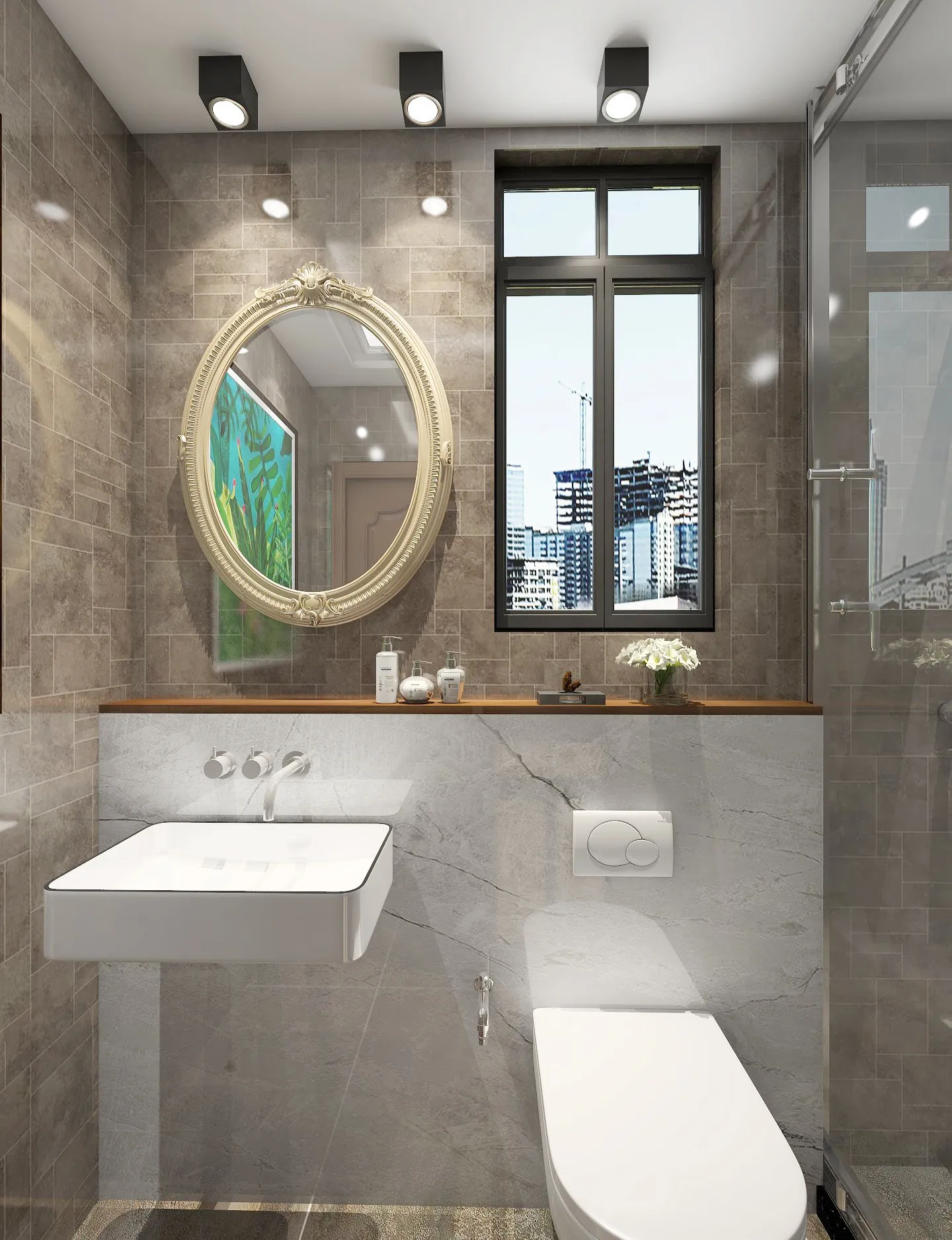
Modern faucet innovations only reveal their full potential when calibrated to specific basin contours:
Infrared Sensors : Wall-mounted faucets require elongated basins (14-16") to prevent accidental activation from countertop objects. Undermounted sensors work best with matte-finish bowls that reduce reflection interference.
Laminar Flow Designs : These crystal-clear streams function optimally in vessels with central drainage ports, as peripheral drains cause disruptive turbulence. Japanese manufacturer TOTO found laminar efficiency drops 15% when used with off-center drain configurations.
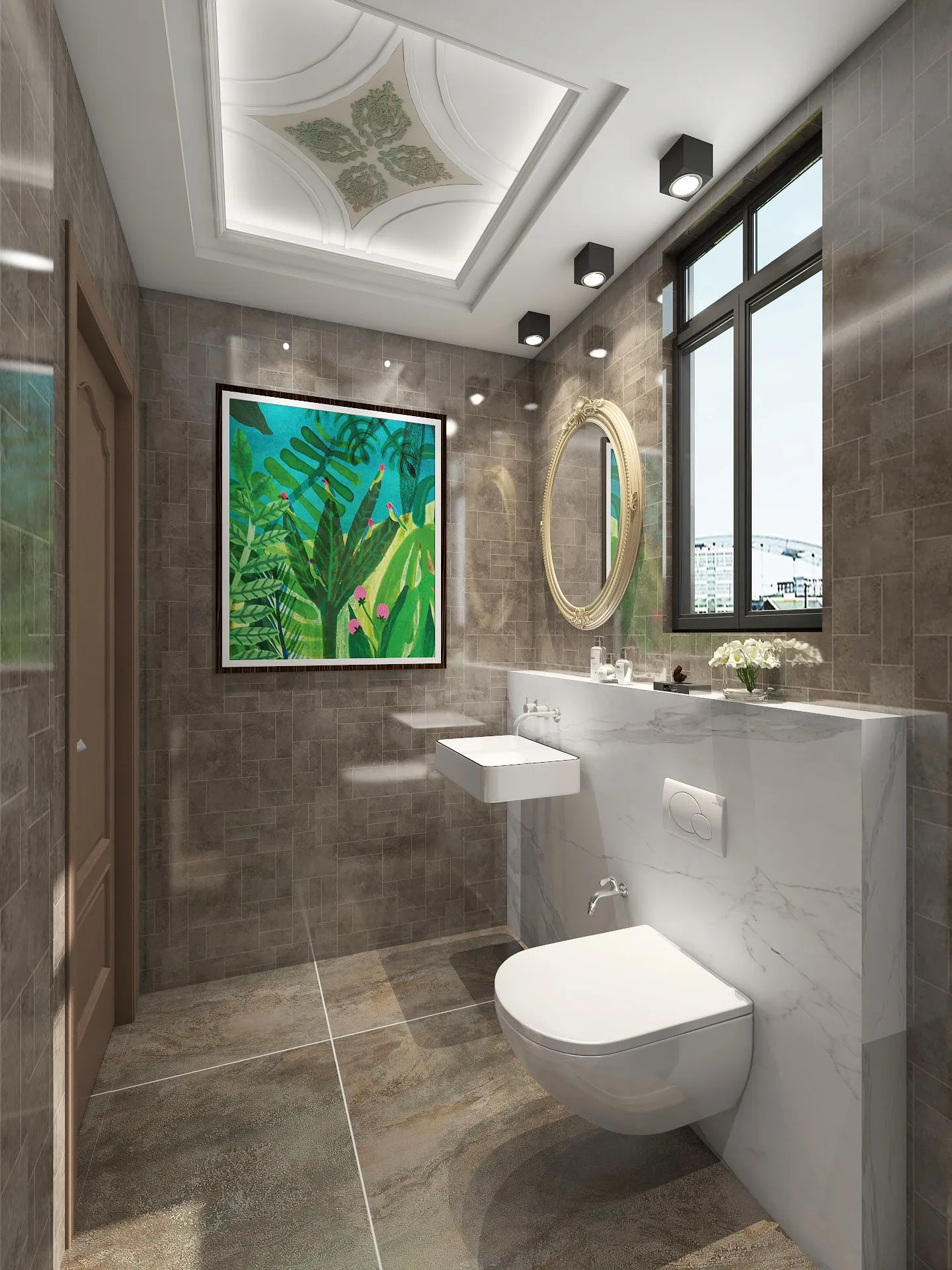
The tactile experience of materials influences water usage more than we realize:
Soapstone's natural porosity requires shorter rinse cycles but demands careful sealing. Nano-coated quartz composites demonstrate hydrophobic properties that make water droplets bead instantly, cutting cleaning water by half. And this is where complementary choices like waterproof flooring become crucial - creating a water-conservation ecosystem where spills drain efficiently rather than requiring mopping.
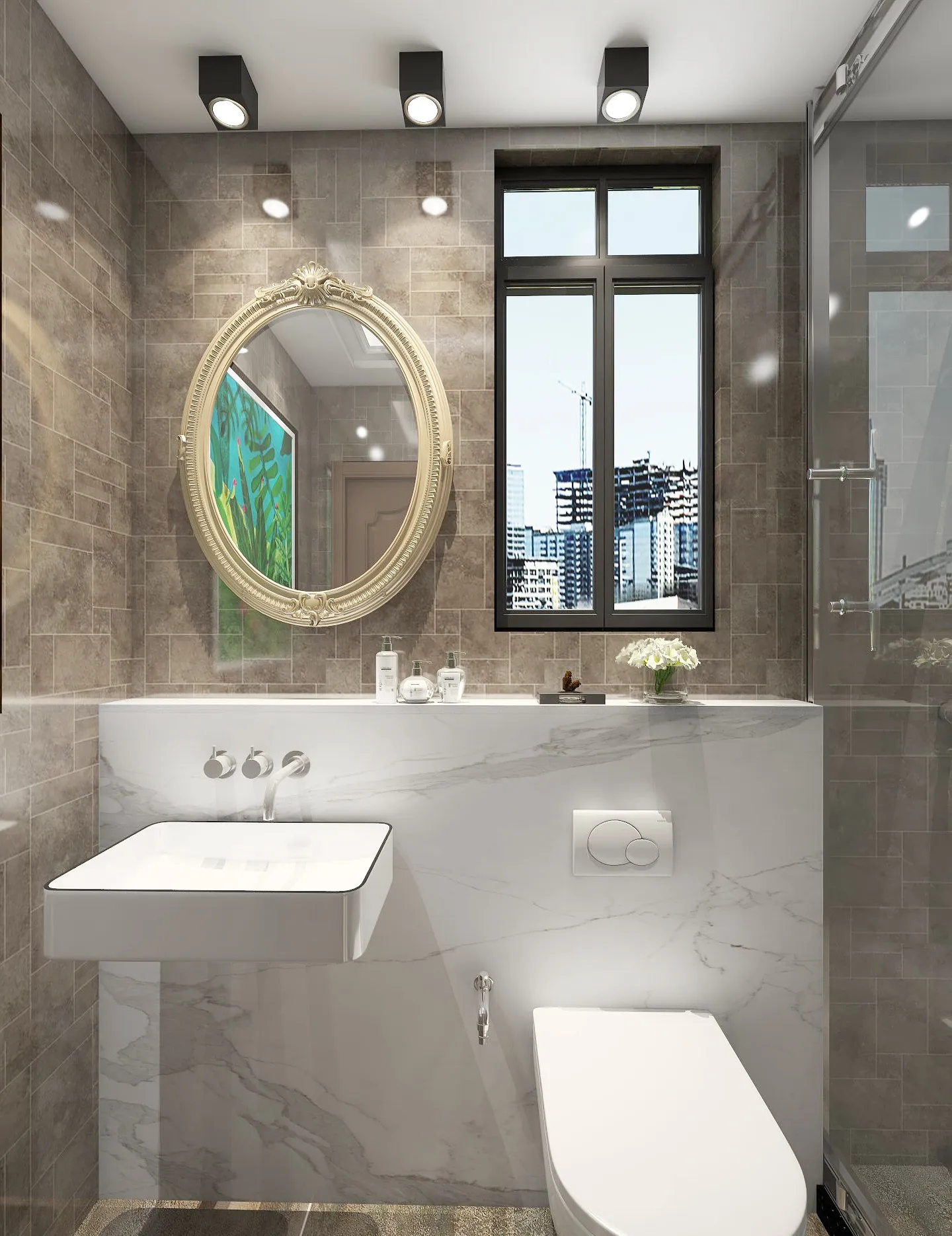
Stanford's Environmental Psychology Lab documented fascinating patterns:
Interior designer Marco Silva implements "nudge design" in luxury hotels: "By installing angular, faceted basins that create pleasant droplet sounds rather than splashes, guests instinctively reduce flow intensity. The sonic experience transforms conservation into sensory pleasure."
Truly efficient designs integrate with whole-home water systems:
The RainSaver Hub concept now gaining popularity in California homes connects bathroom vanities to greywater systems using discreet downward-sloping vanities with peripheral drainage channels. Water from hand-washing flows to concealed cisterns and automatically irrigates vertical herb gardens.
Optimize your existing setup with these expert adjustments:
Conversion Kit: For oval basins over 17" wide, install swiveling aerators to maintain stream integrity. Add silicone edge liners to shallow bowls to prevent splash escape. Use brass strainers that accelerate drainage by 30% compared to plastic models.
Remember maintenance considerations: Ceramic-coated discs in cartridge faucets last 50% longer with soft-water areas, while hard water requires quarterly flow-cleaning regardless of basin shape. Always install isolation valves during renovations to prevent catastrophic leaks that waste hundreds of gallons.
Recommend Products












