
Walk into any building—whether it's the cozy apartment you call home, the bustling office where you work, or the busy hospital down the street—and you'll quickly realize that water is the unsung hero keeping everything running. From the morning shower that starts your day to the sterile hand-washing stations in a clinic, reliable water management isn't just a convenience; it's the backbone of safety, comfort, and functionality. Yet, behind every steady stream of water, every flush of a toilet, and every efficient heating system lies a complex network of pipes, valves, and fittings. And at the heart of this network? The suppliers who design, manufacture, and deliver the components that make it all possible. Today, we're diving into the world of water management in buildings, with a focus on how plastic valve systems suppliers, alongside key partners like PPR and uPVC pipe providers, are shaping the future of sustainable, efficient, and reliable water systems.
Most of us take water management for granted—until something goes wrong. A leaky pipe that floods a basement, a valve that fails and cuts off water to an entire floor, or outdated fittings that waste gallons of water each month. These aren't just minor inconveniences; they can lead to mold growth, structural damage, skyrocketing utility bills, and even health risks. In commercial settings like hospitals, a single water system failure could disrupt critical care. In schools, inefficient pipes might mean inconsistent water pressure in restrooms, affecting hundreds of students. And in residential buildings, poor water management can turn a dream home into a maintenance nightmare for homeowners and landlords alike.
The challenge only grows as buildings become more complex. Modern structures demand systems that handle everything from high-pressure water supply to specialized needs like medical-grade hygiene or fire safety. Add in the global push for sustainability—reducing water waste, lowering energy use, and minimizing environmental impact—and it's clear: water management in buildings is no longer a "set it and forget it" task. It requires careful planning, high-quality materials, and partnerships with suppliers who understand both the technical demands and the real-world implications of their products.
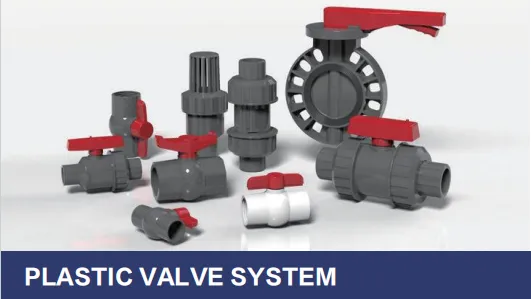
When it comes to building water systems, valves are the traffic controllers. They regulate flow, control pressure, and shut off water when needed—preventing disasters and ensuring efficiency. For decades, metal valves dominated the market, but in recent years, plastic valve systems have emerged as the go-to choice for modern buildings. Why? Plastic offers a unique blend of durability, affordability, and versatility that metal often can't match. Unlike iron or steel, plastic resists corrosion, which means it won't rust or degrade over time, even when exposed to harsh chemicals or mineral-heavy water. It's also lightweight, making installation faster and easier, and it's naturally insulating, which helps maintain water temperature in hot/cold systems—saving energy in the process.
But not all plastic valve systems are created equal. This is where the role of a trusted plastic valve system supplier becomes critical. A reputable supplier doesn't just sell valves; they provide plastic valve system solutions tailored to the specific needs of a building. Whether it's a high-rise residential complex requiring pressure-resistant valves or a hospital needing hygienic, easy-to-clean options, the right supplier will offer a range of products—ball valves, gate valves, check valves—designed to work seamlessly with other components like pipes and fittings. They'll also ensure compliance with local building codes, international standards, and sustainability guidelines, giving builders and engineers peace of mind that the systems they install are safe, reliable, and built to last.
Valves are essential, but they can't do their job alone. To create a fully functional water management system, you need pipes that can carry water efficiently, withstand pressure, and resist wear and tear. Two types of pipes have become staples in modern building projects: PPR (Polypropylene Random Copolymer) pipes and uPVC (unplasticized Polyvinyl Chloride) pipes. Let's take a closer look at how these materials, supported by their respective suppliers, contribute to effective water management.
If you've ever experienced a sudden drop in hot water temperature while showering, chances are the issue traced back to the pipes. Traditional metal pipes can corrode or develop mineral deposits over time, restricting flow and reducing efficiency. PPR pipes, however, are designed to eliminate these problems. Made from a durable, heat-resistant plastic, PPR pipes handle both hot and cold water with ease, making them ideal for residential and commercial plumbing systems. They're also highly resistant to chemical corrosion, which means they won't leach harmful substances into the water—critical for applications like drinking water in homes or medical facilities.
A trusted PPR pipe and fitting supplier goes beyond just providing pipes. They offer PPR pipe and fitting solutions that include everything from elbows and tees to reducers and couplings, ensuring a seamless, leak-free connection. Many suppliers also provide technical support, helping installers choose the right pipe diameter for a building's water demand or advising on pressure ratings for high-rise projects. For example, in a large apartment complex with hundreds of units, a PPR pipe and fitting supplier might recommend reinforced PPR pipes for the main water lines to handle higher pressure, paired with standard PPR for individual units—balancing performance and cost-effectiveness.
While PPR pipes shine in hot/cold water supply, uPVC pipes are the workhorses of drainage, waste, and vent (DWV) systems, as well as low-to-medium pressure applications. uPVC is known for its exceptional strength, rigidity, and resistance to impact—qualities that make it perfect for carrying wastewater, rainwater, or even chemicals in industrial settings. Unlike some plastics, uPVC doesn't warp under temperature changes, and its smooth inner surface prevents clogs by allowing waste to flow freely. It's also one of the most cost-effective piping materials on the market, making it a favorite for large-scale projects where budget is a consideration.
An upvc pipe supplier plays a vital role in ensuring these systems perform. High-quality uPVC pipes must meet strict standards for wall thickness, chemical resistance, and pressure tolerance—factors a reputable supplier won't compromise on. For instance, in a commercial office building, an upvc pipe supplier might provide uPVC DWV pipes for the restroom drainage system, paired with uPVC pressure pipes for the fire sprinkler system. By offering both, they simplify the procurement process for contractors, who can source all their uPVC needs from a single partner—saving time and reducing the risk of compatibility issues.
| Feature | PPR Pipes (from PPR Pipe and Fitting Supplier) | uPVC Pipes (from uPVC Pipe Supplier) |
|---|---|---|
| Primary Use | Hot and cold water supply systems, drinking water lines | Drainage (DWV), rainwater systems, low-pressure water supply, fire sprinklers |
| Temperature Resistance | Up to 95°C (continuous use), suitable for boilers and radiators | Best for temperatures up to 60°C; ideal for cold water and drainage |
| Installation | Heat-fused joints for leak-proof connections; requires specialized tools | Solvent cement or rubber gasket joints; easier for DIY or quick installations |
| Key Benefit | Corrosion-resistant, no scaling, maintains water quality | Cost-effective, rigid, impact-resistant, low maintenance |
| Common Applications | Residential plumbing, hotel bathrooms, hospital hot water systems | Apartment drainage, office building DWV, industrial wastewater lines |
Water management needs vary dramatically between residential and commercial buildings, and plastic valve systems suppliers, along with PPR and uPVC pipe providers, must adapt accordingly. Let's break down how these components are applied in each setting.
In homes, apartments, and townhouses, the focus is on creating a system that's reliable, quiet, and easy to maintain. Homeowners don't want to worry about leaks in the walls or sky-high water bills, so suppliers prioritize durability and efficiency. For example, a plastic valve system supplier might recommend compact ball valves for under-sink installations, where space is limited, and quarter-turn valves for quick shutoffs during maintenance. PPR pipes are often the top choice for residential plumbing because they minimize noise (no more "water hammer" sounds when taps are turned off) and resist scaling, which means fewer plumber visits over time. uPVC pipes, meanwhile, handle drainage systems, with suppliers offering smaller diameters (like 40mm or 50mm) for sinks and showers, and larger sizes (110mm) for main sewer lines.
A key consideration for residential suppliers is affordability. Home builders and contractors are always looking to balance quality with cost, so suppliers often provide bundled packages—like PPR pipe and fitting kits for a standard 3-bedroom home—that simplify ordering and reduce expenses. They might also offer color-coded pipes (red for hot water, blue for cold) to make installation faster and reduce errors, a small detail that goes a long way in keeping projects on schedule.
Commercial buildings—hospitals, schools, office towers, shopping malls—present a whole new set of challenges. These spaces have higher water demands, stricter safety regulations, and often require specialized systems (like medical gas lines in hospitals or fire suppression systems in schools). For suppliers, this means offering products that meet rigorous standards, such as Class A fire ratings or NSF certification for drinking water contact.
Take hospitals, for example. A plastic valve system supplier working on a hospital project would need to provide valves that are easy to sanitize, corrosion-resistant (to handle frequent cleaning with harsh disinfectants), and reliable enough to prevent downtime. PPR pipes might be used for hot water in patient rooms, where maintaining consistent temperatures is critical for comfort, while uPVC pipes could serve as part of the medical waste disposal system, needing to resist chemicals and high flow rates. In schools, uPVC pipes might be chosen for their fire resistance, as many uPVC products are self-extinguishing, adding an extra layer of safety in case of emergencies.
Scale is another factor. A large office tower with 50 floors requires pipes and valves that can handle extreme water pressure. Here, a uPVC pipe supplier might recommend uPVC pressure pipes rated for 16 bar or higher, paired with heavy-duty plastic valves that can withstand constant use. Suppliers also often provide custom solutions for commercial projects, such as pre-fabricated pipe assemblies that reduce on-site installation time or smart valves with sensors that monitor flow and detect leaks—critical for large buildings where a small leak can lead to massive water damage if left unchecked.
To truly understand the impact of plastic valve systems suppliers, PPR pipe providers, and uPVC pipe suppliers, let's look at two real-world examples where their expertise turned challenging projects into success stories.
A leading real estate developer in Saudi Arabia set out to build a luxury residential complex with 200 apartments, each featuring high-end kitchens, spa-like bathrooms, and underfloor heating systems. The challenge? Ensuring the water system could handle the demand for hot water (from multiple showers, bathtubs, and kitchen taps) while minimizing energy loss and maintenance issues.
The project partnered with a one-stop supplier specializing in plastic valve systems, PPR pipes, and uPVC pipes. For the hot water lines, the supplier recommended PPR pipes with a reinforced aluminum layer, which improves heat retention and reduces energy costs by up to 20%. They paired these with high-performance plastic ball valves that allow for precise temperature control in each apartment. For drainage, uPVC pipes were chosen for their durability and noise reduction—critical in luxury buildings where peace and quiet are a priority. The supplier also provided on-site technical support, training the installation team on proper PPR fusion techniques to ensure leak-free joints.
The result? Two years after completion, the complex has reported zero major plumbing issues, and residents praise the consistent water pressure and temperature. The developer estimates that the energy savings from the reinforced PPR pipes alone have reduced operating costs by over $50,000 annually.
A large hospital in Dubai needed to expand its emergency department, adding 30 new patient rooms, two operating theaters, and a specialized pediatric ward. The expansion required a water system that met strict hygiene standards (to prevent infections), could handle increased flow, and was compatible with existing infrastructure.
The hospital turned to a plastic valve system supplier with experience in healthcare projects. The supplier recommended PPR pipes for the potable water lines, citing their smooth inner surface (which reduces bacterial growth) and chemical resistance. For the operating theaters, where sterility is non-negotiable, they provided plastic valves with stainless steel handles that can be easily disinfected. uPVC pipes were used for the drainage system, with the supplier custom-sizing certain sections to fit around existing medical equipment without disrupting ongoing hospital operations.
Perhaps most importantly, the supplier ensured all products met local health and safety regulations, including the UAE's stringent standards for medical facilities. The expansion was completed on time, and the new water system has since passed multiple inspections with flying colors, helping the hospital provide better care to over 500 additional patients each month.
In the past, building projects often required coordinating with multiple suppliers—one for valves, another for PPR pipes, a third for uPVC fittings. This fragmented approach could lead to delays (if one supplier falls behind), compatibility issues (if parts from different brands don't fit), and higher costs (due to multiple shipping fees and markups). Today, more and more builders and contractors are turning to one-stop suppliers—companies that offer a full range of water management components, from plastic valve systems to PPR and uPVC pipes, and even technical support.
The advantages are clear. First, consistency: When all components come from the same supplier, you can trust that they're designed to work together. A plastic valve system from Supplier X will fit perfectly with PPR pipes from Supplier X, reducing the risk of leaks or malfunctions. Second, convenience: Instead of juggling multiple orders, invoices, and delivery schedules, you have a single point of contact, simplifying communication and problem-solving. If a pipe arrives damaged, you call one supplier—not three.
Third, cost savings: One-stop suppliers often offer bulk discounts or bundled pricing, especially for large projects. They might also provide value-added services, like free technical consultations or on-site training, which can save time and reduce mistakes during installation. Finally, reliability: A reputable one-stop supplier has a stake in your project's success. They're more likely to go the extra mile to ensure deadlines are met, quality is maintained, and any issues are resolved quickly—because your satisfaction directly impacts their reputation.
As buildings become smarter and more sustainable, the role of plastic valve systems suppliers, PPR pipe providers, and uPVC pipe suppliers is evolving. Here are a few trends shaping the future:
Smart Technology Integration: Imagine valves that can be controlled remotely via a smartphone app, or pipes with built-in sensors that alert maintenance teams to leaks before they cause damage. Many suppliers are already experimenting with IoT (Internet of Things) enabled products, turning passive components into active parts of a building's smart management system.
Sustainability Focus: With governments worldwide cracking down on water waste and carbon emissions, suppliers are developing more eco-friendly products. This includes PPR and uPVC pipes made from recycled materials, and plastic valve systems designed to reduce water flow without sacrificing performance (like low-flow valves for commercial restrooms).
Customization: As buildings become more specialized (think green buildings, net-zero energy homes, or vertical farms), suppliers will need to offer highly customized solutions. This could mean developing PPR pipes with unique color-coding for specific water types (greywater vs. potable water) or creating uPVC pipes with antimicrobial coatings for high-risk environments like laboratories.
At the end of the day, water management in buildings is about more than pipes and valves—it's about creating spaces where people can live, work, and heal without worry. And behind every successful water system is a supplier who understands that responsibility. Whether it's a plastic valve system supplier ensuring a hospital's emergency room never runs out of water, a PPR pipe provider helping a family enjoy a quiet, leak-free home, or a uPVC pipe supplier keeping a school's drainage system flowing smoothly, these partners play a vital role in building better, safer, more sustainable communities. So the next time you turn on a tap, take a moment to appreciate the invisible network working tirelessly behind the scenes—and the suppliers who make it all possible.
Recommend Products












