
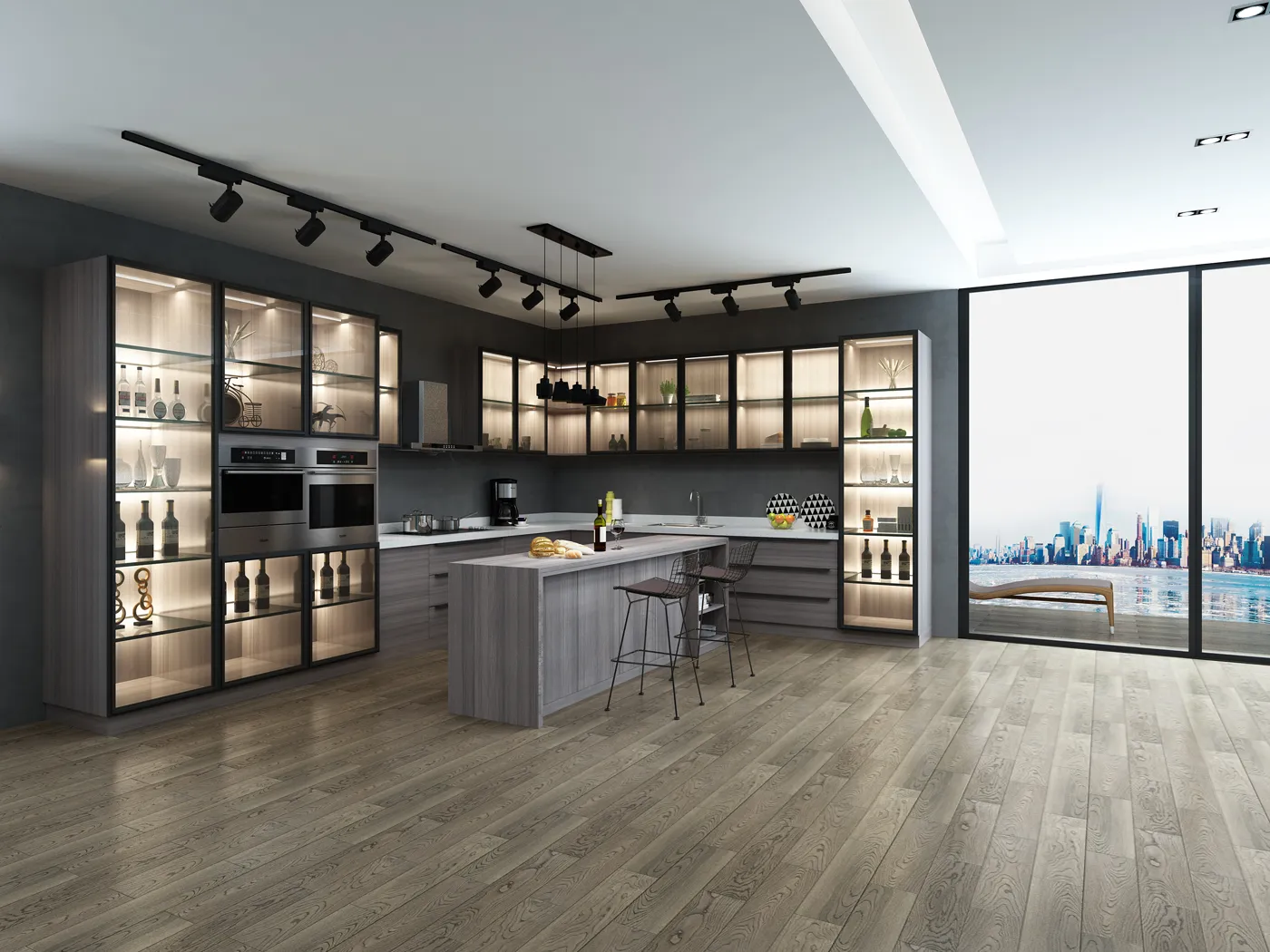
So you're planning a kitchen makeover and staring at those tired cabinets, wondering how to give them new life while keeping things eco-friendly. The paint choice might seem like just a color decision, but it's actually a crucial technology selection that'll impact your kitchen's air quality, maintenance routine, and even how long your cabinets last. Let's break down this watery vs. oily showdown in plain terms.
Kitchens aren't just rooms - they're high-performance zones. Your cabinets face heat waves from the oven, steam attacks from boiling pots, grease splatters from frying pans, and daily scuffs from plates and utensils. Traditional paints crumble under this assault. That's why we're focusing on two advanced coating technologies: water-based acrylic paints and modern oil-based alternatives. Both promise durability but take very different approaches to get there.
Modern water-based paints (often called acrylic latex paints) are like the electric cars of the coating world. They've come a long way from the watery, weak solutions of the past. Today's formulas pack serious protective power while keeping things green.
Oil-based paints are the seasoned veterans - think of them as the reliable diesel engines of coatings. Modern formulas have cleaned up their act while keeping that legendary durability.
| Feature | Water-Based Paint | Oil-Based Paint |
|---|---|---|
| Drying Time | 1-2 hours touch dry, recoat in 4-6 hours | 6-8 hours touch dry, recoat in 24 hours |
| Cleanup | Soap and water | Mineral spirits or paint thinner |
| Odor & VOCs | Low odor, <50 g/L VOCs | Strong odor, 150-300 g/L VOCs |
| Durability | Excellent, flexible finish | Exceptional hardness, prone to cracking |
| Yellowing | Minimal, maintains color | Noticeable on whites over time |
| Cost per gallon | $25-$55 | $35-$70 |
| Eco-Friendliness | High ECO | Low to moderate |
Your kitchen's materials play well together—or don't. Consider how your cabinet finish partners with other elements:
Remember that flooring choices impact more than just looks—the right waterproof flooring helps maintain humidity levels that protect your cabinets.
Most cabinet pros lean toward advanced water-based paints for typical kitchen scenarios. Why? The combination of durability, environmental responsibility, and everyday livability can't be beat. Modern acrylics withstand heavy use better than ever while keeping your air fresh.
That said, oils still shine in special cases. If you're refinishing an antique piece with existing oil layers or have cabinets with intricate details that need super-smooth flow, oils deliver where water-based paints might struggle.
The "eco-friendly" title truly belongs to water-based options. With VOC contents often below 50 g/L compared to oils at 150-300 g/L, they protect both your family's health and our wider environment.
Our choices matter beyond cabinet fronts. Water-based paints:
Meanwhile, the industry continues innovating. Look for plant-based acrylics hitting the market and zero-VOC formulations that perform like their higher-VOC ancestors.
Sarah's Bustling Family Kitchen: "After our water-based cabinet makeover, I was amazed that I could cook dinner the same day we painted. Eighteen months later, despite daily abuse from two kids and a messy chef husband, the cabinets still look freshly done with just quick wipe-downs."
Mike's Classic Kitchen Remodel: "I went with oil for my traditional cherry cabinets. The depth is stunning - like polished furniture. The smell was brutal though - we couldn't use the kitchen for almost a week. Two years in, the finish has held up beautifully, though I do see slight yellowing on the white sections."
Five years from now, you'll appreciate choosing a finish that ages gracefully:
For most homeowners seeking a kitchen refresh that balances beauty, durability, and environmental responsibility, water-based acrylic paints deliver what modern life demands. The technology has matured past early limitations, offering hard-wearing finishes with minimal ecological impact.
Reserve oil-based options for specialized situations where their unique qualities justify the extra hassle and environmental impact. Whatever path you choose, proper preparation and application make all the difference between a showpiece kitchen and a regret-filled remodel.
Recommend Products












