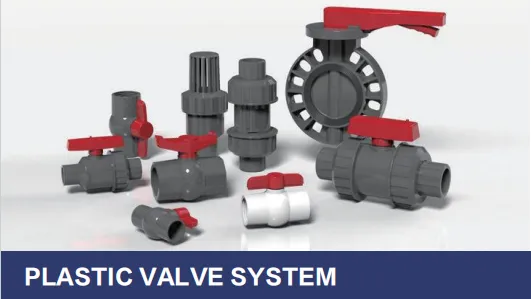
Plastic valve systems—valves, pipes, and fittings made from materials like PVC (polyvinyl chloride), CPVC (chlorinated polyvinyl chloride), PPR (polypropylene random copolymer), and PE (polyethylene)—have revolutionized wastewater infrastructure. But what makes them so well-suited to the demands of treatment plants? Let's break down their key advantages:
1. Corrosion Resistance: No More Rust, No More Leaks
Wastewater is a chemical cocktail. It contains acids, bases, salts, and organic compounds that attack metal, causing rust and corrosion. A steel valve might start to degrade within a few years, leading to leaks, reduced flow control, and costly replacements. Plastic, on the other hand, is inherently resistant to corrosion. PVC, for example, is unaffected by most acids, alkalis, and salts, making it ideal for handling wastewater in primary and secondary treatment. CPVC takes this a step further, with enhanced chemical resistance that makes it suitable for more aggressive environments, like tertiary treatment where disinfectants like chlorine are used. For a plant operator, this means fewer leaks, longer service life, and peace of mind that the system won't fail due to material degradation.
2. Chemical Resistance: Handling the Harshest Substances
Beyond corrosion, wastewater treatment involves adding chemicals to optimize processes: coagulants to help solids clump, flocculants to improve sedimentation, pH adjusters like lime or sulfuric acid, and disinfectants like chlorine or ozone. These chemicals can eat away at metal, but plastic valves and pipes stand strong. PPR pipes, for instance, are known for their excellent chemical resistance, making them a top choice for PPR pipe and fitting suppliers serving treatment plants. Even in high-pressure, high-temperature applications—like pumping treated water through filtration systems—a CPVC SCH80 high pressure piping system supplier can provide solutions that resist both chemical attack and pressure-induced stress.
3. Lightweight and Easy to Install: Saving Time and Labor
Metal pipes and valves are heavy. Installing a cast iron valve or steel pipe requires heavy machinery, more workers, and longer installation times—all of which drive up costs. Plastic, by contrast, is lightweight. A 10-foot section of PVC pipe weighs a fraction of its steel equivalent, making it easy to transport, handle, and install by hand. This not only speeds up construction but also reduces labor costs, a significant advantage for large treatment plants with extensive piping networks. For example, a PVC DWV pipe supplier (DWV stands for Drain, Waste, Vent) can deliver pipes that are quick to connect using solvent cement or mechanical fittings, cutting installation time by 30-50% compared to metal.
4. Cost-Effective: Lower Upfront and Lifecycle Costs
While some high-performance plastic systems may have a slightly higher upfront cost than basic metal options, their lifecycle cost is far lower. Metal requires regular maintenance: painting to prevent rust, replacing corroded valves, repairing leaks. Plastic, with its resistance to corrosion and low maintenance needs, lasts longer and requires fewer repairs. A study by the American Water Works Association found that plastic pipes have a lifespan of 50-100 years, compared to 20-50 years for metal. When you factor in lower installation, maintenance, and replacement costs, plastic valve system solutions often prove to be the most economical choice over time.
5. Smooth Interior Surfaces: Reducing Clogs and Improving Flow
The interior of plastic pipes is smooth, with a low friction coefficient. This means wastewater flows more freely, reducing the risk of clogs from solids or sludge buildup. In contrast, metal pipes can develop rough, corroded interiors over time, which slow flow and increase energy costs (since pumps have to work harder to move water). Smooth plastic surfaces also make cleaning easier, a boon for maintenance crews.