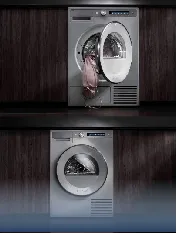
Hey there! Let's have a real talk about something we all use but rarely think twice about - our trusty washing machines. These workhorses clean our clothes day in and day out, but behind that shiny exterior lie some important safety considerations. I've dug deep into what makes these
appliances safe, so you don't have to. Whether you're shopping for a new machine or just want peace of mind with your current one, understanding these safety features is like having an insurance policy for your home and family.
Getting Started: Safety Foundations
Before we dive into fancy features, let's cover the basics. Ever actually read that manual tucked away in a drawer? Turns out it's packed with crucial safety information manufacturers wish we'd pay attention to. Proper installation isn't just about convenience - an ungrounded machine or one sitting on uneven
flooring can turn into an electrical hazard waiting to happen. And that spot right next to your water heater? Might want to reconsider - gas buildup in unused hot water systems combined with electrical
appliances is a recipe for trouble.
Extension Cord Danger Zone
That tempting shortcut of using an extension cord? Big mistake. Washing machines pull serious power, and underrated cords can overheat, melt, or worse. Always plug directly into a properly grounded outlet that matches the machine's power requirements.
Flammable No-Go Zone
Keep laundry detergents in a separate cabinet, and never store gasoline containers or solvents near your machine. These vapors don't play nice with electrical components or heat sources.
Must-Have Safety Features Explained
Child Lock Systems
For homes with curious little ones, this feature is non-negotiable. Child locks prevent accidental cycle changes, settings adjustments, or drum access. Some even allow time-limited locking - perfect for nap times when you can't supervise.
Anti-Tip Technology
During high-speed spins, machines can vibrate like they're doing the cha-cha. Anti-tip brackets securely anchor your washer, preventing dangerous tipping accidents. Look for models that include hardware specifically designed for your machine's weight and balance.
Overflow Protection
Imagine coming home to a flooded laundry room. Modern sensors monitor water levels like a hawk, automatically cutting supply if levels rise abnormally. This isn't just about preventing messes - it stops water from reaching electrical components.
Thermal Cut-Off Switches
When motors overheat, these tiny heroes break the circuit before things get dangerous. They're the unsung guardians preventing electrical fires from starting inside your machine's guts.
Water Leak Sensors
Next-gen machines go beyond overflow protection with moisture detectors at the machine's base. They'll trigger an alarm and automatic shutdown at the first sign of leakage - before water reaches your
waterproof flooring
.
Automatic Drum Locking
When the cycle starts, magnetic or mechanical locks engage until the spin completely stops and water drains. No more impatiently yanking on the door only to get greeted by a waterfall. This also stops curious kids or pets during operation.
Electrical Safety You Can't Afford to Ignore
Water and electricity? Worst combo since oil and water. That's why modern machines pack serious electrical protection:
-
GFCI Protection:
Ground Fault Circuit Interrupters detect even tiny current leaks, cutting power faster than you can blink. Many manufacturers now build this directly into machines instead of relying on outlet protection.
-
Voltage Surge Protectors:
Electrical storms and power fluctuations can fry internal components. Built-in surge protection shields sensitive electronics from spikes.
-
Insulation & Waterproofing:
Critical electrical components get special encapsulation to prevent water intrusion - even if you've got a major leak. Sealed connectors and coated circuit boards provide extra layers of safety.
Everyday Safe Practices
Even the safest machine can't compensate for risky habits. Here's what matters:
-
Always close detergent dispensers fully - residue creates build-up that can lead to clogs or chemical reactions
-
Check pockets religiously - coins and batteries can damage drums or create electrical shorts
-
Leave panels intact - never operate with covers removed. Those "just a quick look" moments can end with entanglement risks
-
Balance your loads - uneven spinning stresses components and increases vibration hazards
-
Clean filters monthly - neglected filters cause pressure buildup and overheating
And about location - placing your machine on stable, level surfaces is just as crucial as the
waterproof flooring
in laundry rooms. Uneven surfaces amplify vibrations, increasing wear and tip risks.
Wrapping It Up
Our washing machines work hard - often in tight spaces near water sources and electrical systems. The safety features we've explored aren't just marketing fluff; they're carefully engineered solutions to real hazards. When machine shopping, don't just look at capacity and spin speeds. Ask about sensor systems, electrical protections, and safety certifications. At home, respect your machine's limitations and follow those manual instructions (yes, really). With these precautions, you're not just getting cleaner clothes - you're protecting what matters most.