

In the world of architectural design and construction, the choice of materials can make or break a project. Among the most versatile and sought-after options today are PU stone wall panels—lightweight, durable, and aesthetically versatile, they've become a staple for both interior and exterior decoration in residential and commercial buildings. But here's the catch: the quality of these panels hinges entirely on the supplier behind them. Whether you're an architect sourcing materials for a high-end hotel, a contractor managing a residential complex, or a homeowner embarking on a renovation, partnering with a reliable PU stone wall panel supplier isn't just a preference—it's a critical step toward ensuring project success, longevity, and client satisfaction.
This article dives into the nitty-gritty of evaluating PU stone wall panel suppliers, drawing on real-world case studies, expert reviews, and industry insights to help you separate the trustworthy partners from the ones that could derail your project. We'll explore key factors to verify, red flags to watch for, and how to leverage supplier reviews to make informed decisions. By the end, you'll have a clear roadmap to finding a supplier that delivers not just panels, but peace of mind.
Before we jump into supplier verification, let's first understand why PU stone wall panels have become a go-to choice for architects and builders. Unlike traditional stone or brick, PU (polyurethane) stone panels are engineered to mimic the look of natural stone—think granite, marble, or limestone—without the heavy weight, high cost, or installation hassle. They're resistant to moisture, UV rays, and temperature fluctuations, making them suitable for both indoor spaces (like feature walls in living rooms or hotel lobbies) and outdoor facades (such as restaurant exteriors or office building cladding).
For residential projects, these panels offer homeowners the luxury of natural stone aesthetics at a fraction of the cost, with the added benefit of easy installation that minimizes disruption. For commercial spaces, they provide durability that withstands heavy foot traffic and frequent cleaning, all while maintaining a polished, high-end appearance. It's no wonder that top commercial building materials suppliers and residential building materials suppliers now prioritize PU stone wall panel solutions as part of their offerings—they're a win-win for both functionality and design.
But here's the problem: not all PU stone wall panels are created equal. A subpar supplier might cut corners on raw materials, skip quality testing, or overpromise on delivery timelines. The result? Panels that crack after a year, fade under sunlight, or fail to meet fire safety standards. In worst-case scenarios, these issues can lead to project delays, budget overruns, or even legal liabilities. That's why verifying your supplier's reliability isn't just about getting a good product—it's about protecting your reputation and ensuring the long-term success of your project.
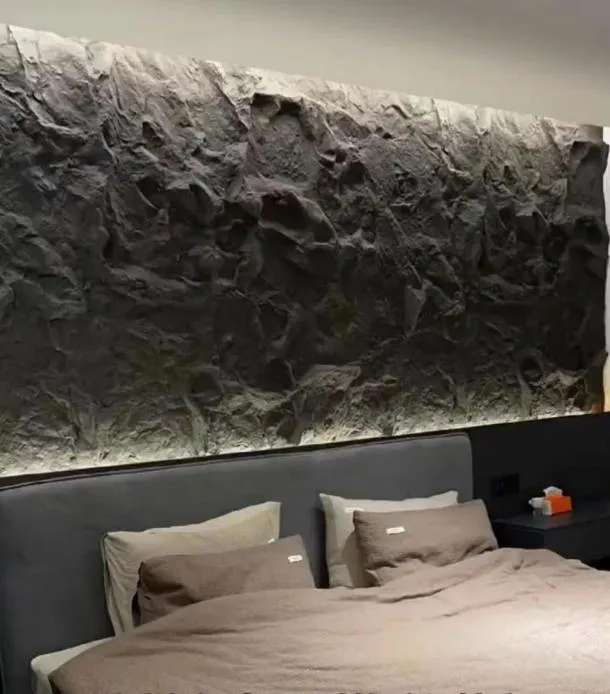
When evaluating a PU stone wall panel supplier, it's easy to get swayed by flashy websites or low price tags. But true reliability lies in the details. Below are the critical factors to investigate before signing a contract.
The foundation of any reliable supplier is consistent, high-quality products. Start by asking for detailed specifications: What is the panel's density? How thick is the foam core? What type of coating is used to mimic stone texture? Reputable suppliers will provide transparent data, including third-party lab test results for durability (e.g., impact resistance, weathering tests), fire ratings, and (environmental friendliness).
Certifications matter, too. Look for ISO 9001 (quality management) and ISO 14001 (environmental management) certifications, which indicate the supplier adheres to global standards. For commercial projects, especially in sectors like healthcare or education, fire safety is non-negotiable—ensure the panels meet local fire codes (e.g., Class A fire resistance in many regions). A trustworthy PU stone wall panel supplier will readily share these certifications without hesitation; if they're evasive or provide vague answers, that's a red flag.
Imagine ordering 500 panels for a commercial mall renovation, only to receive a shipment where half the panels are slightly off-color or vary in thickness. Inconsistencies like these can derail installation schedules and compromise the project's visual appeal. That's why it's crucial to assess a supplier's manufacturing capacity and quality control processes.
Ask about their production facilities: Do they have in-house manufacturing, or do they outsource to third parties? In-house production often means tighter quality control, as the supplier oversees every step from raw material sourcing to final packaging. Additionally, inquire about their production volume—can they handle bulk orders without sacrificing quality? A supplier with limited capacity might struggle to meet deadlines for large-scale projects, leading to costly delays.
Don't hesitate to request a factory tour (virtual or in-person, if possible). This gives you a firsthand look at their equipment, workforce training, and QA/QC protocols. For example, do they conduct random (sampling inspections) on every batch? Are there dedicated teams for testing panel strength or color consistency? These details reveal whether the supplier prioritizes consistency—or cuts corners to meet quotas.
Every project has unique needs. A boutique hotel might require custom-sized panels to fit curved walls, while a residential developer could want a specific stone texture to match the neighborhood's aesthetic. A reliable PU stone wall panel supplier should offer more than standard off-the-shelf products—they should be willing to collaborate on custom solutions.
Ask about their customization process: What's the lead time for custom orders? Can they match Pantone colors or replicate rare stone patterns? Do they provide design support, such as 3D renderings or material samples, to ensure the final product aligns with your vision? A supplier that treats customization as a hassle rather than an opportunity is unlikely to be a long-term partner.
Even the best products can encounter issues post-installation—maybe a panel gets damaged during shipping, or a client notices a defect six months later. How a supplier responds to these situations speaks volumes about their reliability. A reputable PU stone wall panel supplier will stand behind their products with a clear warranty and responsive after-sales support.
Review the warranty terms carefully: What does it cover (e.g., material defects, color fading, structural failure)? How long is the coverage period (1 year? 5 years? 10 years)? Are there any exclusions (e.g., damage from improper installation)? Equally important is their responsiveness—do they have a dedicated customer service team? Can they dispatch technicians for on-site inspections if needed? A supplier that ghosts you after the sale is a liability; look for one that views after-sales support as part of their commitment to client success.
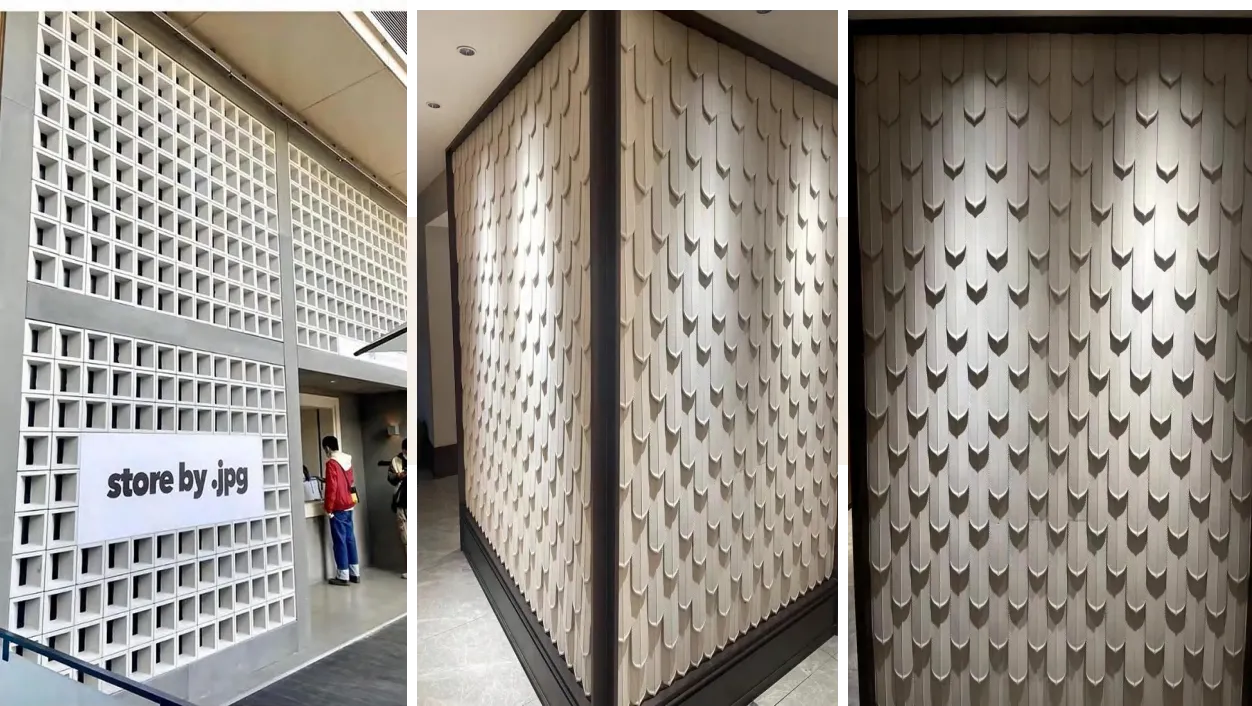
Real-world examples often tell the clearest story. Below are two case studies—one highlighting a successful partnership with a reliable supplier, and another warning of the risks of choosing based solely on price.
In 2023, a leading commercial building materials supplier was tasked with supplying PU stone wall panels for the renovation of Greenview Mall, a 100,000-square-foot shopping center in Riyadh. The project required 1,200 panels in a custom "travertine" finish, with strict deadlines to minimize disruption to mall operations. The supplier, a one-stop architectural solution provider with a decade of experience, stood out for several reasons:
The result? The renovated mall's facade received rave reviews for its "natural stone" appearance, and the client reported zero issues with panel durability or fading. The supplier has since been rehired for two additional mall projects in the region.
In contrast, a residential developer in Jeddah learned the hard way about the dangers of choosing a supplier based solely on low costs. For Maplewood Residences, a 50-unit apartment complex, the developer opted for a budget PU stone wall panel supplier offering prices 30% lower than competitors. The red flags were there from the start—vague certifications, no factory address provided, and pushy sales tactics to sign the contract quickly—but the developer prioritized cost savings.
Problems arose within months of installation: panels began to warp in direct sunlight, and some even peeled at the edges during the rainy season. When the developer reached out for support, the supplier initially ignored requests, then blamed "improper installation" (despite providing no installation guidelines). By the time the developer hired an independent inspector, it was clear the panels were made with subpar polyurethane, lacking the UV and moisture resistance promised. The result? A $200,000 redo, delayed move-ins for residents, and a damaged reputation for the developer.
| Factor | Reliable Supplier (Greenview Mall) | Unreliable Supplier (Maplewood Residences) |
|---|---|---|
| Certifications | Provided ISO 9001, Class A fire resistance, and colorfastness reports upfront | Vague "certificates" with no issuing authority; refused to share test data |
| Delivery Timeliness | Delivered 3 batches ahead of schedule | Missed 2 deadlines; blamed "shipping delays" without evidence |
| Customization | Accommodated mid-project design changes with minimal lead time | Refused custom sizes; only offered standard options |
| After-Sales Support | Proactive site visit 6 months post-installation | Ignored maintenance requests; blamed client for issues |
| Project Outcome | Zero defects; client rehired for future projects | Panels warped/faded; $200k redo required |
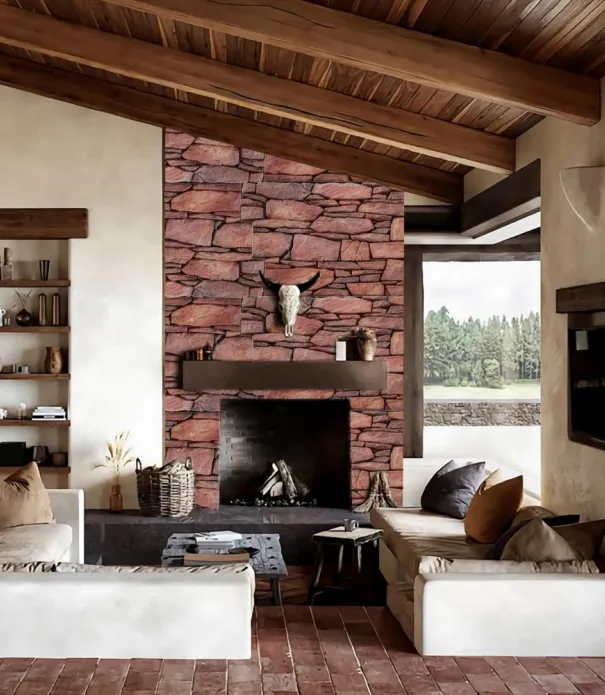
To further validate the importance of supplier verification, we spoke with three industry experts—an architect, a contractor, and a procurement manager—to gather their insights on what makes a PU stone wall panel supplier stand out.
"As an architect, I prioritize suppliers who see themselves as partners, not just vendors. A reliable PU stone wall panel supplier will ask questions: What's the project's purpose? Will the panels be indoors or outdoors? What's the climate like? This level of engagement shows they care about the end result, not just making a sale. The last thing I want is to specify panels that fail because the supplier didn't account for, say, coastal humidity. The best suppliers provide technical data, samples, and even mock-ups to ensure alignment with the design vision." – Sarah Khalid, Principal Architect at Urban Edge Designs
"Contractors live and die by deadlines, so lead time reliability is non-negotiable. I once worked with a supplier who promised 4-week delivery for a hotel project, then pushed it to 8 weeks with no explanation. We had to delay the entire facade installation, costing the client $50k in labor overruns. Now, I always ask for a written delivery guarantee with penalties for delays. A trustworthy supplier will agree to this—they know their capacity and stand behind their timelines. Also, post-installation support matters: if a panel cracks during installation, will they replace it quickly? The good ones do; the bad ones argue over who's at fault." – Mohamed Ali, Senior Project Manager at BuildRight Contractors
"From a procurement standpoint, we look for suppliers with a track record of consistency across multiple projects. We'll ask for references from clients in similar industries—if a supplier has worked with hospitals or schools, that's a plus, as those sectors have strict safety standards. We also dig into their financial stability: a supplier with cash flow issues might cut corners on materials to stay afloat. Finally, we evaluate their sustainability practices—do they use recycled materials? Do they have eco-friendly manufacturing processes? Increasingly, clients care about this, and a forward-thinking PU stone wall panel supplier will have these practices in place." – Aisha Patel, Procurement Director at Global Builders Group
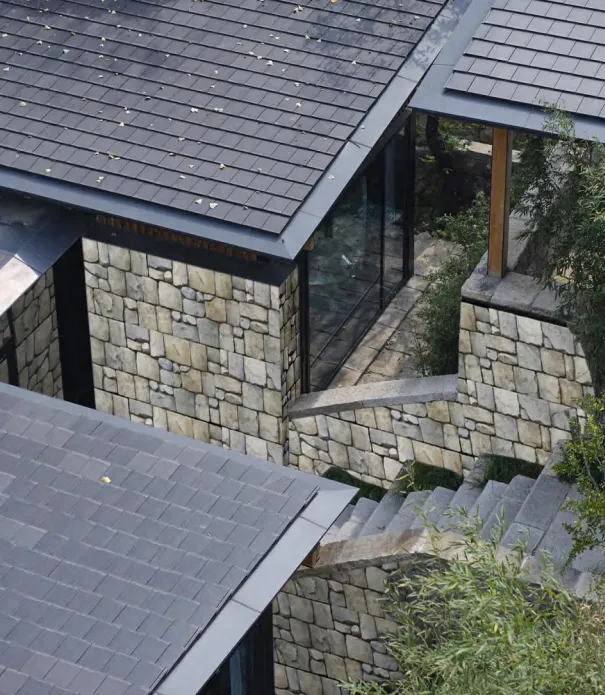
Now that you know what to look for, let's break down the step-by-step process to verify a PU stone wall panel supplier's reliability:
Start by asking for the following: product specifications (material composition, dimensions, weight), certifications (ISO, fire ratings, environmental), test reports (durability, weather resistance), and a list of past clients with contact information. A reputable supplier will provide these without hesitation. Cross-check certifications with issuing bodies (e.g., verify ISO registration on the official ISO website) to avoid fakes.
Never commit to a supplier without testing samples. Order 2–3 panels in your desired finish and put them through basic stress tests: expose them to water for 24 hours to check for swelling, leave them in direct sunlight for a week to test colorfastness, and gently impact them with a hammer to assess strength. If the supplier refuses to send samples or charges exorbitant fees for them, walk away.
Reach out to 2–3 of the supplier's past clients, ideally those in similar industries (residential, commercial, hospitality). Ask specific questions: Were the panels delivered on time? Did they meet quality expectations? How responsive was the supplier to issues? If multiple clients mention delays or poor communication, take note.
Review the contract carefully, paying attention to delivery timelines, quality guarantees, warranty coverage, and penalties for non-compliance. Ensure there's a clause allowing for third-party inspections of goods upon delivery. If the contract is vague or heavily favors the supplier (e.g., no warranty, no liability for defects), negotiate changes or look elsewhere.
If possible, start with a small order (e.g., 50 panels) for a low-stakes project. This lets you test the supplier's reliability firsthand without risking a large investment. Monitor delivery times, panel quality, and communication closely—if they excel here, they're likely ready for bigger orders.

Choosing a PU stone wall panel supplier is more than a transaction—it's a partnership that impacts every stage of your project, from design to delivery to long-term maintenance. By prioritizing factors like product quality, manufacturing consistency, customization capabilities, and after-sales support, you can avoid the costly mistakes of working with unreliable suppliers. Remember, the cheapest option rarely equates to the best value; instead, focus on suppliers who demonstrate transparency, accountability, and a genuine commitment to your project's success.
Armed with the insights from case studies, expert reviews, and our verification steps, you're now equipped to find a PU stone wall panel supplier that not only delivers top-tier products but also acts as a trusted ally in bringing your vision to life. In the end, the right supplier doesn't just supply panels—they supply confidence.
Recommend Products











