
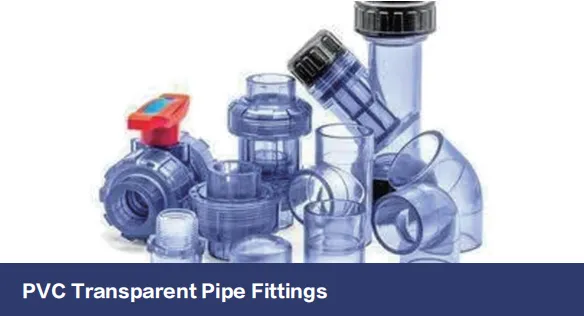
Let's be real: when most folks think about ventilation systems, pipe fittings are probably the last thing on their minds. But here’s the kicker – those unassuming connectors and joints? They’re the unsung heroes of any efficient airflow setup. And when it comes to choosing materials, PVC transparent fittings are shaking things up in ways you wouldn’t believe.
Imagine being able to see airflow patterns right through the pipe walls. Or spotting clogs before they become headaches. That’s the magic of transparent PVC – it turns guesswork into real-time diagnostics . Unlike traditional opaque fittings, these clear components let you play detective with your ventilation system, catching issues before they balloon into costly repairs.
The visibility factor isn't just a nice perk – it’s a game-changer for maintenance. Imagine spotting debris buildup or microbial growth without disassembling a single joint. That’s hours saved right there.
Picture this: you’re troubleshooting a dip in airflow efficiency. With traditional pipes, you’re basically working blindfolded – disassembling joints, running cameras, crossing fingers. But transparent PVC? It’s like having X-ray vision for your ductwork.
Let’s be honest – ventilation systems don’t work in sterile labs. They deal with grease, humidity, fumes, and the occasional mystery goop. Unlike metal fittings that corrode or rubber that degrades, PVC laughs in the face of:
Remember that last retrofit where you strained your back hoisting heavy metal ducts? With PVC fittings weighing about half as much as comparable metal options, installations become smoother and repairs less painful.
Buying PVC fittings isn’t like grabbing screws from a hardware store bin. To dodge costly mistakes, keep this battle-tested checklist handy:
Temperature Tolerance Match-up : Think about your system’s mood swings. Steady-state temps are one thing – but what happens during startup surges or those July heatwaves? Get fittings that can handle your worst-case scenario plus a 20% buffer.
Thicker isn’t always better – but it sure matters under pressure. Run this quick mental exercise:
Don’t just eyeball it – play detective with your environment:
"I once saw a factory install transparent PVC fittings without realizing formaldehyde was used nearby. Within months, they looked like melted jellybeans. Lesson? Get the manufacturer's chemical compatibility charts – and cross-reference every substance in your facility’s airspace."
Even the best fittings can underperform if installed wrong. Steer clear of these all-too-common mistakes:
When cementing PVC joints, more adhesive isn’t stronger – it’s messier and weaker. Aim for the sweet spot:
PVC moves when temperatures change – ignore this and you’ll hear loud pops at 3 AM. The fix is simple but critical: build in expansion loops or offset fittings every 15-20 feet.
Not all ventilation jobs are created equal. Here’s how to pair fittings with your specific battle:
You need fittings that can handle:
Pro Tip : Go for Schedule 80 thickness here. The extra wall strength handles steam cleaning abuse and accidental cart bumps.
Don’t gamble with fume resistance. Specify:
Don’t underestimate the operational power of seeing what’s inside. These real-world wins prove the point:
A food processing plant caught early mold growth in transparent ducts that would’ve spread invisibly in metal ducts. Estimated saved shutdown costs: $250K.
Here’s a human factor few consider: when maintenance techs see debris accumulating in real-time through transparent walls, they actually clean ducts proactively. With hidden systems? Out of sight = out of mind.
Transparency isn’t the endgame – it’s the foundation for what’s next. Forward-thinking facilities are layering:
This isn’t sci-fi – it’s where ventilation management is heading. And PVC’s transparency makes it the perfect canvas.
Selecting PVC transparent fittings isn’t about picking parts – it’s about redesigning how you interact with your ventilation system. The visibility transforms maintenance from reactive guesswork to proactive science. When paired with PVC’s corrosion resistance and lightweight flexibility, it creates a solution that’s not just different—but better.
As you weigh your options, ask yourself: Do I want to keep flying blind? Or finally see exactly how my system breathes? The clearest path forward might literally be the most transparent one.
Recommend Products












