

If you've ever stood outside on a scorching summer day, squinting up at a building's façade, you might have wondered: how do those walls stay looking fresh year after year? Outdoor spaces—whether it's the front of a bustling café, the exterior of a family home, or the sleek façade of a commercial high-rise—face an unrelenting assault from the elements. Rain, wind, and temperature swings all take their toll, but there's one silent culprit that often does the most long-term damage: ultraviolet (UV) radiation. For anyone tasked with choosing exterior decoration materials, understanding how to combat UV damage isn't just a detail—it's the key to ensuring your project looks great and lasts for decades. That's where PU stone wall panel solutions come into play. In this guide, we'll dive into why UV resistance matters, how PU stone panels stand up to the sun's wrath, and why they're quickly becoming a go-to choice for architectural façade solutions worldwide.
Let's start with the basics: what exactly is UV radiation, and why should you care about it when picking exterior walls? UV rays are a type of electromagnetic radiation emitted by the sun, and while they're invisible to the naked eye, their effects are anything but. Think of them as tiny, high-energy particles that bombard surfaces day in and day out. Over time, this constant bombardment breaks down the molecular structure of materials, leading to a laundry list of problems:
For homeowners, this might mean repainting every 3-5 years or replacing rotted wood siding. For commercial property owners, a faded or damaged façade can hurt curb appeal, drive away customers, and even lower property values. That's why, when it comes to exterior decoration materials, UV resistance should be at the top of your checklist—not an afterthought.
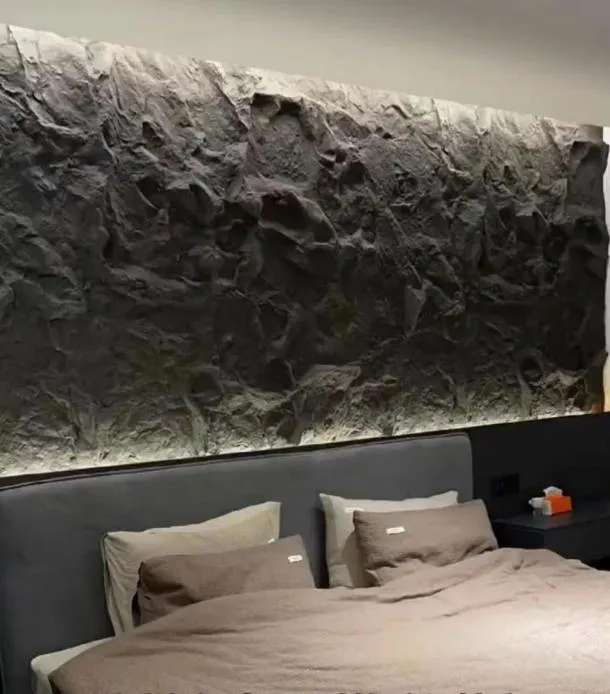
Before we get into their UV-fighting superpowers, let's talk about what PU stone wall panels actually are. PU, short for polyurethane, is a synthetic material known for its durability, flexibility, and lightweight properties. PU stone panels are crafted by blending polyurethane resin with mineral fillers and pigments, then molding them to mimic the look of natural stone—think granite, limestone, or slate—down to the texture and color variations. The result? A panel that looks just like real stone but weighs a fraction of the weight and comes with a host of performance benefits.
But here's where they really shine: unlike natural stone (which can fade or erode under UV exposure) or wood (which needs constant sealing), PU stone panels are engineered with UV resistance built in. They're not just a pretty face—they're a workhorse designed specifically to handle the harsh realities of outdoor life. And in the world of architectural façade solutions, that combination of beauty and brawn is hard to beat.
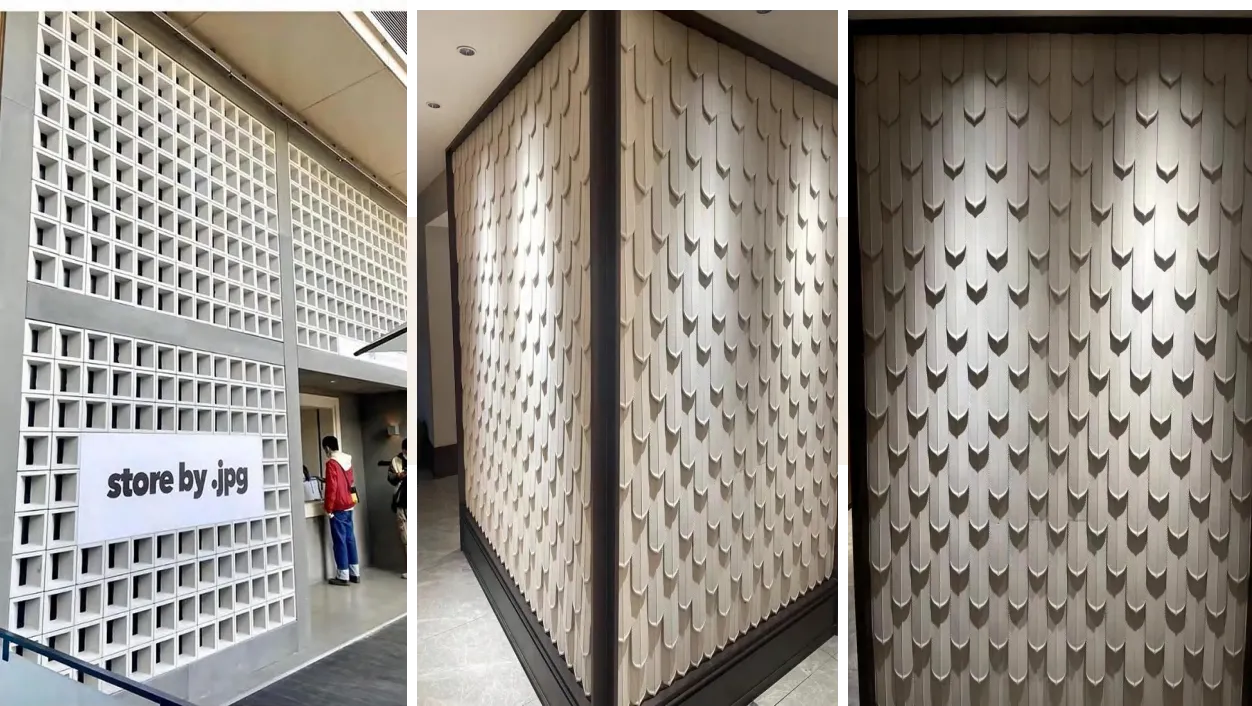
So, what makes PU stone panels so tough when it comes to UV rays? Let's break it down into three key factors:
During the manufacturing process, PU stone panels are infused with UV stabilizers—special additives that absorb or reflect UV radiation before it can damage the material's structure. Think of these stabilizers as a suit of armor for the panel's molecular bonds. They prevent the sun's rays from breaking down the polyurethane, which means no fading, no cracking, and no warping—even after years of direct sunlight.
Many PU stone panels also come with a protective topcoat that adds an extra layer of defense. This coating is designed to repel water, resist stains, and further block UV rays. Some manufacturers even use ceramic or acrylic-based coatings that enhance durability without compromising the panel's natural stone appearance. It's like adding a sunscreen for your walls—one that never wears off.
Here's a lesser-known advantage: PU stone panels are lightweight (typically 3-5 kg per square meter, compared to natural stone's 20-30 kg) and slightly flexible. This flexibility helps them withstand thermal expansion and contraction caused by temperature changes—something that often leads to cracking in rigid materials like concrete or natural stone. When materials can "breathe" with the weather, they're less likely to develop stress cracks that UV rays can then exploit.
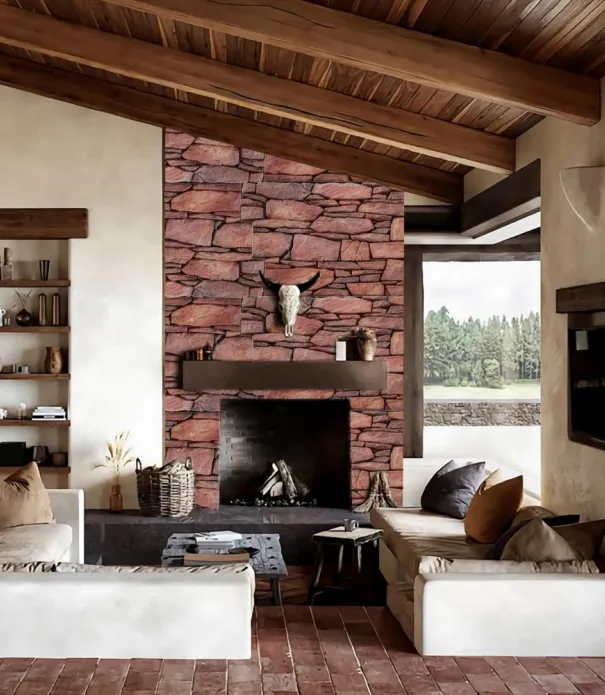
Still not convinced? Let's put PU stone panels head-to-head with some common exterior materials to see how they stack up in the UV resistance department. Check out the table below for a quick comparison:
| Material | UV Resistance | Durability | Maintenance Needs | Weight (per sqm) | Cost (Approx.) |
|---|---|---|---|---|---|
| PU Stone Wall Panels | Excellent (50+ years fade resistance) | High (resists cracks, chips, and moisture) | Low (hose down with water occasionally) | 3-5 kg | Mid-range ($20-$40/sqm) |
| Natural Granite | Good (may fade slightly over 10-15 years) | High (but heavy and prone to cracking if not installed properly) | Medium (seal every 2-3 years) | 20-30 kg | High ($80-$150/sqm) |
| Wood Cladding | Poor (fades and rots without annual sealing) | Low (susceptible to pests and moisture) | High (seal, paint, or stain yearly) | 8-12 kg | Mid-range ($30-$60/sqm) |
| Vinyl Siding | Fair (may fade or crack in extreme heat) | Medium (prone to warping in high temperatures) | Low (but can't be repainted if faded) | 4-6 kg | Low ($10-$25/sqm) |
As you can see, PU stone panels hold their own—and then some—when compared to other options. They offer better UV resistance than wood or vinyl, comparable durability to natural stone, and a fraction of the weight and cost. For anyone prioritizing long-term performance and low maintenance, it's a clear winner.
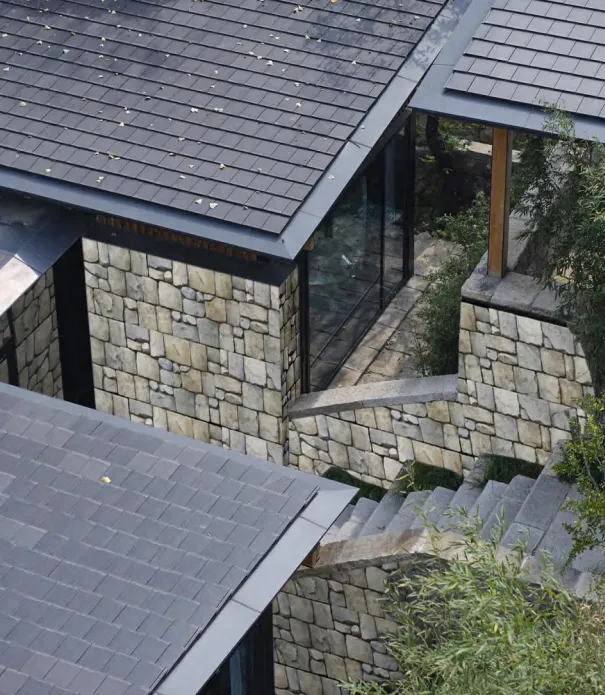
Even the best materials need proper installation to perform their best. Here are a few tips to ensure your PU stone wall panels stay UV-resistant for years to come:
One of the best things about PU stone wall panels is how little maintenance they need. Unlike natural stone, which requires periodic sealing, or wood, which needs repainting, PU panels are practically set-it-and-forget-it. Here's how to keep them in top shape:
With just a little care, your PU stone panels will retain their color and texture for 20+ years—making them a smart investment for any exterior project.
Still not sure if PU stone panels are right for your project? Let's look at a real-world example. In Riyadh, Saudi Arabia—a city known for its intense sun and high temperatures—a commercial complex recently renovated its façade using PU stone wall panel solutions. The previous exterior was made of natural limestone, which had faded significantly over 10 years and required frequent sealing. After switching to PU panels designed to mimic the look of limestone, the building's owners reported zero fading after 5 years of direct sunlight. Maintenance costs dropped by 70%, and tenants noted that the building looked "brand new" compared to neighboring properties. It's a testament to how PU stone panels can combine aesthetics, durability, and cost-effectiveness in even the harshest climates.
Another example: a residential development in Florida, where hurricanes and UV radiation are constant threats. The developers chose PU stone panels for the exterior, citing their lightweight design (which reduces structural load) and UV resistance. After 8 years, the panels still look as vibrant as the day they were installed, with no signs of cracking or fading—even after multiple hurricane seasons.
As more architects, builders, and homeowners prioritize sustainability, durability, and low maintenance, PU stone wall panels are quickly becoming the gold standard in exterior decoration materials. They offer the best of both worlds: the timeless beauty of natural stone and the performance of a modern, engineered material. And when it comes to UV resistance? They're in a league of their own.
Whether you're designing a commercial high-rise, a cozy home, or a public space, choosing PU stone panels means investing in a façade that will stand the test of time—without sacrificing style. In a world where outdoor spaces are more important than ever, why settle for anything less than a material that can keep up with the sun, the rain, and everything in between?
At the end of the day, your outdoor walls are more than just a boundary—they're a reflection of your style, your values, and your commitment to quality. UV resistance isn't just a feature; it's a promise that your investment will last. And when it comes to keeping that promise, PU stone wall panel solutions deliver in spades.
So, if you're ready to upgrade your exterior with a material that looks great, lasts longer, and saves you time and money in the long run, it's time to consider PU stone panels. They're not just exterior decoration materials—they're architectural façade solutions designed for the way we live now: busy, conscious, and unwilling to compromise on beauty or performance.
Your walls take care of you. Isn't it time you took care of them?
Recommend Products











