
In the bustling world of hospitality, where guest comfort and operational efficiency are paramount, every detail matters—especially the ones hidden behind walls and under floors. Plumbing systems, often overlooked until something goes wrong, are the silent workhorses of hotels, resorts, and restaurants. From the morning shower in a guest room to the steady flow of water in a busy kitchen, from the laundry facilities that keep linens crisp to the poolside taps that quench thirst, a reliable plumbing network is non-negotiable. Yet, maintaining this network can be a constant challenge: leaks disrupt guest stays, corrosion leads to costly replacements, and outdated components drain budgets through high maintenance and energy bills. This is where modern solutions like plastic valve systems step in, offering a blend of durability, efficiency, and cost-effectiveness that aligns perfectly with the unique demands of hospitality projects.
To understand why plastic valve system solutions have become a go-to choice for hospitality projects, it's first crucial to grasp the complexity of plumbing in these environments. Unlike residential buildings, hotels and resorts face a "triple threat" of high usage, diverse applications, and strict regulatory standards—all while operating 24/7, 365 days a year.
Consider, for example, a mid-sized 300-room hotel. On any given day, hundreds of guests will use showers, sinks, and toilets in their rooms. The hotel's restaurants and bars will run dishwashers, fill beverage stations, and clean surfaces—each requiring precise water pressure and temperature control. The laundry room, handling hundreds of pounds of linens daily, relies on industrial washers and dryers that demand consistent hot water flow. Even "extras" like swimming pools, spas, and fitness centers add layers of complexity, with specialized piping for filtration systems and chemical treatments. Each of these areas places unique stress on plumbing components: high water pressure in guest rooms, exposure to cleaning chemicals in kitchens, and constant temperature fluctuations in laundry facilities.
Beyond sheer usage, hospitality plumbing must also meet rigorous safety and hygiene standards. Health codes mandate that water systems prevent backflow to avoid contamination, especially in food service areas. Fire safety regulations require reliable water flow to sprinkler systems. Additionally, in regions like Saudi Arabia, where many hospitality projects are located, extreme temperatures and water quality can further test plumbing materials—corrosive elements in water, for instance, can degrade traditional metal components over time. For project managers and facility directors, the goal isn't just to "install and forget"—it's to choose systems that can withstand decades of heavy use, comply with evolving regulations, and minimize downtime for repairs.
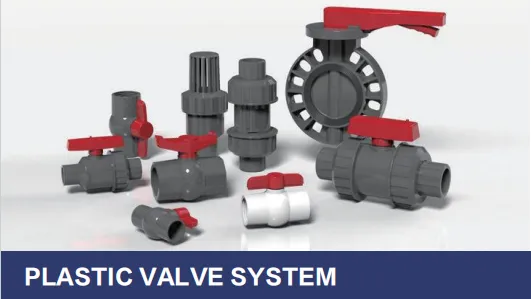
At the heart of any plumbing system are valves—devices that control the flow, pressure, and direction of water. Traditionally, these valves were made from metal (cast iron, copper, or brass), which offered strength but came with drawbacks like weight, corrosion, and high cost. Plastic valve system solutions, by contrast, use advanced polymers like PVC (Polyvinyl Chloride), CPVC (Chlorinated Polyvinyl Chloride), PPR (Polypropylene Random Copolymer), and PE (Polyethylene) to create valves that are lightweight, corrosion-resistant, and tailored to modern plumbing needs. When we talk about "plastic valve system solutions," we're referring to more than just individual valves; it's a comprehensive approach that includes matching valves to specific applications, integrating them with compatible pipes and fittings, and ensuring they work seamlessly within the larger plumbing network—often provided by a single, trusted plastic valve system supplier.
These solutions are designed to address the unique pain points of hospitality plumbing. For example, a plastic valve system might include ball valves for quick shut-off in guest rooms (allowing maintenance teams to isolate a single room without disrupting the entire floor), check valves to prevent backflow in kitchen drains, and pressure-regulating valves to stabilize water flow in high-rise hotels where pressure varies by floor. When paired with complementary pipes and fittings from a reliable pipes fittings supplier, these systems create a cohesive, leak-resistant network that's built to last.
For hospitality project managers, the decision to adopt plastic valve system solutions often comes down to a clear set of advantages that directly impact the bottom line and guest satisfaction. Let's break down these benefits:
Water, especially in regions with high mineral content or varying pH levels, is a silent enemy of metal valves. Over time, rust and corrosion can eat away at metal components, leading to leaks, reduced water pressure, and eventual failure. Plastic valves, however, are inherently resistant to corrosion. Materials like CPVC and PPR don't react with water, chemicals, or even the harsh cleaning agents used in hospitality settings (think industrial-grade disinfectants in kitchens or chlorine in pool systems). This resistance translates to longer lifespans—often 25–50 years compared to 10–15 years for metal valves—and fewer unexpected replacements. In a hotel with hundreds of valves, this longevity alone can save tens of thousands of dollars in maintenance costs over the building's lifetime.
Anyone who's ever lifted a cast-iron valve knows: metal is heavy. This weight adds up during installation, requiring more laborers and specialized equipment to maneuver components into tight spaces—like the crawl spaces between hotel floors or the narrow walls of guest bathrooms. Plastic valves, by contrast, are significantly lighter (up to 70% lighter than metal equivalents). This makes them easier to transport, handle, and install, reducing labor time and costs. For large-scale projects, like a new resort with 500 rooms, this can shave weeks off the construction timeline. Even in renovations, where existing walls are being retrofitted, lightweight plastic valves minimize disruption—critical for hotels that need to stay operational during upgrades.
Budget constraints are a reality for most hospitality projects, and plastic valve systems deliver savings at every stage. First, the raw materials for plastic valves are generally less expensive than metal, lowering upfront procurement costs. Second, as mentioned, their lightweight nature reduces installation labor costs. Third, their corrosion resistance and durability mean fewer replacements and repairs over time. A study by the Plumbing-Heating-Cooling Contractors Association (PHCC) found that hotels using plastic valve systems reported 30% lower plumbing maintenance costs over a 10-year period compared to those using traditional metal valves. Additionally, plastic valves have smooth internal surfaces that reduce water flow resistance, which can lower energy costs by reducing the workload on pumps—a small but cumulative saving that adds up in a 24/7 operation.
A single leak in a guest room can lead to a cascade of problems: a negative review, a refund request, or even damage to neighboring rooms. Plastic valve systems mitigate this risk through precision engineering. Many plastic valves feature compression or solvent-welded connections that create a tight, permanent seal, reducing the chance of leaks compared to threaded metal connections, which can loosen over time due to vibration or temperature changes. Additionally, plastic's flexibility allows it to expand and contract slightly with temperature fluctuations—unlike rigid metal, which can crack under stress. For example, in a hotel kitchen where hot water from dishwashers and cold water from sinks alternate, plastic valves adapt without weakening, ensuring a consistent, leak-free performance.
Hospitality projects are subject to strict regulations, from local building codes to international standards like ISO and ASTM. Reputable plastic valve system suppliers ensure their products meet these requirements, with certifications for potable water safety, fire resistance, and pressure ratings. For instance, CPVC valves are often certified to ASTM D2846 standards, ensuring they're safe for use in drinking water systems, while PVC-U valves may comply with DIN PN10 standards for pressure piping. This compliance not only avoids costly code violations but also gives project managers peace of mind that their plumbing systems are safe for guests and staff. In sensitive areas like hospitals (though our focus is hospitality), plastic valves even offer Class A fireproof properties, but in hotels, their resistance to chemical corrosion ensures that cleaning agents and sanitizers won't leach harmful substances into the water supply.
Not all plastic valves are created equal, and choosing the right type depends on the specific application within the hospitality space. Here's a breakdown of the most common types and their uses:
Ball valves are a staple in hospitality plumbing, thanks to their simple design and reliable performance. A hollow, perforated ball inside the valve controls flow—turning the handle 90 degrees rotates the ball to open or close the passage. This "quick-acting" feature makes them ideal for guest rooms, where maintenance teams may need to shut off water to a single fixture (like a leaky sink) without disrupting the entire floor. They're also used in public areas like restrooms and poolside taps, where durability and ease of use are key.
Backflow—when water flows backward through the plumbing system—can contaminate potable water supplies, a serious risk in food service areas. Check valves use a one-way mechanism (a flap or piston) to ensure water flows in only one direction, preventing backflow from drains, dishwashers, or washing machines. In hotel kitchens, where wastewater may contain food particles or cleaning chemicals, check valves are critical for compliance with health codes. They're also used in laundry facilities to protect the main water line from detergent-laden water.
Gate valves use a vertical gate (or wedge) to control flow, raising or lowering to open or close the passage. They're best suited for applications where flow needs to be fully open or fully closed (rather than partially restricted), such as main water lines feeding multiple floors or large equipment like industrial boilers. While they operate more slowly than ball valves, their ability to handle high flow rates makes them valuable in central plumbing systems for hotels and resorts.
In tall buildings, water pressure increases with height, leading to uneven flow (stronger pressure on lower floors, weaker on upper floors) and potential damage to fixtures. PRVs automatically reduce incoming water pressure to a set level, ensuring consistent flow throughout the building. This is especially important in luxury hotels, where guests expect a steady, comfortable shower experience regardless of their room's floor number. PRVs also protect pipes and valves from excessive pressure, extending their lifespan.
To put these benefits into context, consider the experience of a 5-star beachfront resort in Riyadh, Saudi Arabia, which recently underwent a full plumbing renovation. The resort, built in the 1990s, was struggling with frequent leaks in guest rooms and high maintenance costs due to corroded metal valves. The management team decided to upgrade to plastic valve system solutions, partnering with a local plastic valve system supplier and pipes fittings supplier to source components tailored to their needs.
The project involved replacing all guest room valves with PVC ball valves (chosen for their quick shut-off and corrosion resistance), installing CPVC check valves in the resort's five restaurants to prevent backflow, and adding PPR pressure-regulating valves in the main water lines to stabilize flow across the 15-story building. The supplier provided technical support, helping the contractors map the existing plumbing layout and recommend the right valve sizes and materials for each area. The installation, which took place over six months (with work scheduled during low-occupancy periods), was completed on time and under budget—thanks in part to the lightweight plastic valves, which reduced labor hours by 25% compared to the original metal valve removal and replacement.
One year later, the results were clear: guest complaints about plumbing issues dropped by 80%, maintenance calls related to valve leaks decreased by 90%, and the resort's annual plumbing maintenance budget was cut by 35%. The engineering team noted that the new plastic valves were easier to access and service, with no signs of corrosion even in the humid beach environment. "We used to have a plumber on call 24/7 just to handle valve issues," said the resort's chief engineer. "Now, those calls are rare. The plastic valve system has been a game-changer for our operations and our guests' satisfaction."
To further illustrate why plastic valve systems are gaining traction, let's compare them directly to traditional metal valves (cast iron, copper, brass) across key metrics relevant to hospitality projects:
| Feature | Plastic Valve Systems | Traditional Metal Valves |
|---|---|---|
| Initial Material Cost | Lower (30–50% less than brass/copper) | Higher (especially for brass and copper) |
| Installation Labor Cost | Lower (lightweight, easier to handle and install) | Higher (heavy, requires specialized tools for cutting/threading) |
| Corrosion Resistance | Excellent (resistant to water, chemicals, and humidity) | Poor to Moderate (brass/copper corrode over time; cast iron rusts) |
| Maintenance Needs | Low (minimal cleaning, no rust removal) | High (regular inspections for corrosion, gasket replacements) |
| Lifespan (in hospitality settings) | 25–50 years | 10–15 years (shorter in humid or coastal environments) |
| Leak Risk | Low (precision-molded, solvent-welded connections) | Higher (threaded connections loosen over time; corrosion weakens seals) |
| Weight | Lightweight (70% lighter than metal equivalents) | Heavy (increases structural load on walls/floors) |
| Chemical Resistance | High (resistant to cleaning agents, chlorine, and detergents) | Low (chemicals can corrode metal surfaces) |
While the benefits of plastic valve systems are clear, their performance ultimately depends on the quality of the products and the expertise of the supplier. For hospitality project managers, selecting the right plastic valve system supplier is as important as choosing the valves themselves. Here are key factors to consider:
Look for suppliers whose products meet international standards, such as ASTM, DIN, or ISO certifications. This ensures the valves are tested for safety, durability, and performance. For example, a supplier offering "PVC-U SCH40 pressure piping system solutions" should provide documentation proving compliance with SCH40 pressure ratings, while "CPVC pipe and fitting (ASTM D2846) solutions" should carry the ASTM seal for potable water use. Avoid suppliers with vague or unsubstantiated claims—ask for test reports and third-party certifications.
Hospitality plumbing is diverse, so a supplier with a wide range of valves and complementary products (like pipes, fittings, and adapters) simplifies procurement and ensures compatibility. A supplier that offers both "plastic valve system solutions" and "pipes fittings solutions" can provide a one-stop shop, reducing the risk of mismatched components that lead to leaks or inefficiencies. For example, if you need ball valves for guest rooms, check valves for kitchens, and PRVs for main lines, a supplier with all these products in stock will save time and streamline the supply chain.
Plumbing systems in large hotels are complex, and even the best products need proper specification. A reputable supplier should offer technical support, helping you select the right valve type, material, and size for each application. This might include on-site consultations, CAD drawings, or recommendations for installation best practices. For instance, a supplier familiar with high-rise hotels will know to recommend pressure-regulating valves for upper floors, while one experienced in coastal resorts will prioritize corrosion-resistant materials.
Construction and renovation timelines in hospitality are tight, and delays due to missing parts can be costly. Choose a supplier with a proven track record of on-time deliveries and consistent inventory. Ask about their lead times, backup stock policies, and ability to handle rush orders. A local supplier with warehouses in your region (like a "Saudi Arabia building materials supplier" for projects in the Middle East) may offer faster delivery and lower shipping costs than an international supplier.
Even with the best products, issues can arise. A supplier that stands behind its products with warranties and responsive after-sales service is invaluable. Look for warranties of at least 5–10 years, and ask about their process for handling defective products or technical questions. A supplier that offers training for your maintenance team on valve care and troubleshooting is an added bonus, ensuring your staff can maximize the lifespan of the system.
As the hospitality industry evolves—with a growing focus on sustainability, smart technology, and guest-centric design—plastic valve systems are poised to keep pace. Innovations in material science are making plastic valves even more durable, with new blends of polymers offering higher temperature resistance (ideal for commercial kitchens) and improved flexibility (for earthquake-prone regions). Additionally, the rise of "smart plumbing" is integrating plastic valves with sensors and IoT technology, allowing real-time monitoring of water flow, pressure, and leaks. Imagine a hotel where the engineering team receives an alert on their phone before a valve fails, or where water usage in guest rooms is automatically optimized to reduce waste—all made possible by plastic valves designed to work with smart systems.
Sustainability is another key trend. Many plastic valve manufacturers are now using recycled materials in their production, reducing the environmental impact, while the lightweight nature of plastic valves lowers carbon emissions during transportation. Additionally, plastic's longevity means fewer replacements, reducing waste over the building's lifecycle. For hotels aiming to achieve LEED or Green Key certifications, plastic valve systems can contribute to points in categories like water efficiency and material sustainability.
In the competitive world of hospitality, where every guest experience shapes your brand, plumbing systems are too critical to leave to chance. Plastic valve system solutions offer a modern, practical alternative to traditional metal valves, addressing the unique challenges of high usage, diverse applications, and strict regulations with a combination of durability, cost-effectiveness, and ease of installation. From reducing maintenance headaches to enhancing guest comfort, from cutting long-term costs to ensuring compliance, these systems deliver value at every stage of a hotel's lifecycle.
Whether you're building a new resort, renovating an existing hotel, or simply upgrading your plumbing network, partnering with a trusted plastic valve system supplier and pipes fittings supplier is the first step toward a more reliable, efficient, and guest-friendly plumbing system. As the case study from Saudi Arabia shows, the transition to plastic valves isn't just a technical upgrade—it's an investment in your hotel's reputation, operational success, and bottom line. In the end, the best plumbing systems are the ones guests never notice—and with plastic valve solutions, that's exactly what you'll get: peace of mind, behind the scenes.
Recommend Products












