
Hey folks, if you've been wondering why your neighbor just replaced their 20-year-old AC unit or why new dishwashers have those fancy "eco-cycle" buttons, you're looking at the power of DOE regulations at work. These aren't just minor tweaks – they're reshaping how we use energy in our homes and businesses across America.
Energy efficiency standards might sound like bureaucratic jargon, but they hit much closer to home than you'd think. When Washington rolls out new rules for appliances, it affects everything from your monthly electric bill to our national carbon footprint. Let's break down what these changes really mean for you and why they matter beyond just compliance paperwork.
We're at a pivotal moment in energy history. With climate change accelerating faster than predicted and electricity demand skyrocketing from tech and EVs, efficiency has transformed from a "nice-to-have" to a critical national priority. The Department of Energy calculates that current efficiency standards already save the average household nearly $500 annually – and these new rules push those savings further.
The evolution follows a fascinating trajectory – starting with simple refrigerator standards in the 70s oil crisis era to today's sophisticated smart-grid-compatible appliances. It's not just about conserving energy anymore; it's about grid resilience and optimizing resource use across entire communities.
By the numbers: Since federal efficiency standards began in 1987, they've saved the equivalent of 2.7 trillion kilowatt-hours – that's more electricity than the entire US used in 2022! And greenhouse gas reductions? Like taking 550 million cars off the road annually.
Air conditioners are the biggest energy hogs in most American homes, consuming about 6% of all US electricity. The updated DOE rules implement the strictest requirements yet:
Pro Tip: When replacing your AC, look for units with "variable-speed compressors" – they're up to 30% more efficient than single-stage units.
What does this mean practically? For homeowners replacing a 2000s-era AC unit, energy bills could drop by $200-$500 annually depending on climate zone. Installation costs may run slightly higher upfront but payback comes in just 2-4 years – quicker than the unit's lifespan.
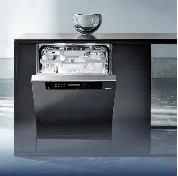
Remember when dishwashers took 2+ hours? The 2024 standards flip this script while conserving resources:
Contrary to myths, modern dishwashers actually outperform hand-washing both in cleanliness and efficiency – using up to 75% less water!
Manufacturers responded creatively to these constraints. Many models now feature:
Here's where the impact becomes tangible: Choosing one of these energy efficient appliances over an older model saves the average household about 3,870 gallons of water annually – that's 12,000 gallons over the appliance's lifespan. These savings compound significantly when multiplied across communities.
While ACs and dishwashers grab headlines, broader changes affect nearly every plug-in device:
The water heater shift deserves special attention. Heat pump models use 65% less energy than traditional electric tanks. With the new rules, expect these units to become mainstream rather than niche products.
The implications cascade far beyond individual appliance performance:
Industry response has been surprisingly cooperative according to DOE reports. Most major manufacturers supported negotiated standards, recognizing long-term competitive advantages in global markets increasingly demanding efficiency. The transition does create challenges for smaller suppliers though, requiring new funding for manufacturing conversions.
So what should you actually do?
For renters, the equation differs – you can't change appliances but can:
The regulatory train keeps moving with DOE already studying future standards for:
Industry insiders predict a greater focus on "embedded carbon" - meaning how much energy went into manufacturing the appliance itself, not just its operational use.
The bottom line: While no one loves bureaucracy, these standards deliver tangible benefits at the kitchen-sink level. Staying informed helps you maximize savings while doing your part in America's larger climate puzzle.
Recommend Products












