
Imagine starting a home renovation or a commercial construction project—excitement is in the air, blueprints are spread out, and then you hit a roadblock: choosing the right pipes. It's not the most glamorous part of building, but it's one of the most critical. The pipes you pick will carry water, handle pressure, and stand up to daily use for years (or decades) to come. Two names you'll likely hear tossed around are UPVC and PPR. They're both plastic pipes, but that's where the similarities often end. If you've ever found yourself staring at a shelf full of pipes, wondering whether to call an upvc pipe supplier or a ppr pipe and fitting supplier , you're not alone. Let's break this down in plain language, so you can make a choice that fits your project like a glove.
Before we dive into which is "better," let's make sure we're on the same page about what these pipes actually are. Think of them as two cousins in the plastic pipe family—related, but with very different personalities and skills.
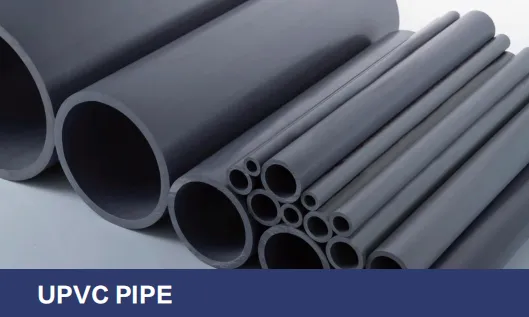
UPVC stands for Unplasticized Polyvinyl Chloride. The "unplasticized" part is key here—it means there are no added plasticizers, which are chemicals that make some plastics flexible. That lack of plasticizers gives UPVC its signature rigidity and strength. You've probably seen UPVC pipes before, even if you didn't know their name—they're the white or gray pipes commonly used in drainage systems, water supply lines, and even some electrical conduits.
So, what makes UPVC pipes a go-to for so many projects? Let's start with durability. These pipes are tough cookies—they resist corrosion, rust, and most chemicals, which is why they're a favorite for carrying wastewater or aggressive fluids. They're also lightweight, which makes them easy to transport and install (no need for a crane to move a single pipe!). And let's not forget cost: UPVC pipes are generally more budget-friendly than some alternatives, which is music to the ears of homeowners and contractors working with tight budgets.
But what about upvc pipe solutions ? A good upvc pipe supplier doesn't just hand you a pipe and call it a day. They offer solutions tailored to your needs. For example, if you're building a multi-story apartment complex, your supplier might recommend larger-diameter UPVC pipes for the main drainage lines to handle higher volumes. For a small home renovation, they might suggest smaller, more flexible UPVC pipes for tight spaces under sinks or behind walls. UPVC pipe solutions often include accessories too—fittings, valves, and connectors designed to work seamlessly with the pipes, ensuring a leak-free system.
Now, let's meet PPR: Polypropylene Random Copolymer. Unlike UPVC, PPR is a thermoplastic polymer, which means it can handle higher temperatures without losing its shape or strength. If UPVC is the sturdy workhorse, PPR is the specialist that thrives in hot environments. You'll most often find PPR pipes in hot and cold water supply systems, especially in places where hot water is used frequently—think homes, hotels, hospitals, and restaurants.
What sets PPR apart? Heat resistance, for starters. PPR pipes can typically handle temperatures up to 95°C (203°F) continuously, and even higher for short periods. That's why they're the top choice for radiant floor heating systems or solar water heater connections. They're also surprisingly flexible—unlike rigid UPVC, PPR can bend slightly without cracking, which makes installation easier in tight corners. And when it comes to joints, PPR uses a heat-fusion method: you heat the ends of the pipe and fitting, then press them together, creating a bond that's often stronger than the pipe itself. No leaks, no loose connections—just a seamless, durable seal.
When you work with a ppr pipe and fitting supplier , you're not just getting pipes—you're getting a complete system. PPR pipe and fitting solutions are designed to work in harmony, with fittings that match the pipe's diameter, thickness, and heat resistance. For example, a hotel might need PPR pipes that can handle both the cold water from the mains and the hot water from the boilers; a reputable supplier would provide pipes and fittings rated for those specific temperature ranges, along with guidance on installation to ensure the system runs efficiently for years.
Okay, so we know UPVC is rigid and budget-friendly, and PPR is heat-resistant and flexible. But let's get into the nitty-gritty. Here's a breakdown of how they stack up in the areas that matter most for your project:
| Feature | UPVC Pipes | PPR Pipes |
|---|---|---|
| Material | Unplasticized Polyvinyl Chloride (rigid, no plasticizers) | Polypropylene Random Copolymer (flexible, thermoplastic) |
| Temperature Resistance | Best for cold water (up to 45°C/113°F); can warp at higher temps | Handles hot water (up to 95°C/203°F) and is ideal for hot/cold systems |
| Pressure Handling | Good for low to medium pressure (e.g., drainage, cold water supply) | Excellent for high pressure (e.g., hot water lines, radiant heating) |
| Chemical Resistance | Highly resistant to acids, alkalis, and most chemicals | Resistant to common household chemicals but less so than UPVC |
| Installation | Uses solvent cement (glue) to join pipes and fittings; rigid, so requires more fittings for bends | Heat-fused joints (no glue needed); flexible, so fewer fittings for corners |
| Cost | Generally more affordable upfront | Slightly more expensive upfront, but may save on long-term repairs |
| Lifespan | 20–50 years (depending on usage and environment) | 30–50+ years (longer in hot water systems compared to UPVC) |
| Best For | Drainage systems, cold water supply, irrigation, electrical conduits | Hot and cold water supply, radiant heating, solar water systems, hospitals, hotels |
There's no one-size-fits-all answer here—UPVC and PPR each have their sweet spots. Let's walk through some common scenarios to help you decide whether to reach out to an upvc pipe supplier or a ppr pipe and fitting supplier .
Let's say you're updating your bathroom—new shower, new sink, new toilet. You need pipes for both the cold water supply (toilet, sink) and the hot water supply (shower, sink). For the cold water lines, UPVC could work—they're affordable and easy to install. But if you're installing a new hot water heater or a rainfall shower that uses a lot of hot water, PPR is the smarter choice. Why? Because UPVC can warp or weaken over time with constant exposure to hot water, leading to leaks. PPR, on the other hand, laughs at hot water—it's designed for it. In this case, you might end up using both: UPVC for the drainage lines (since they handle wastewater well) and PPR for the hot water supply lines. Your supplier can help you mix and match solutions to fit your needs.
Commercial kitchens are high-stress environments for pipes. They have constant hot water (for dishwashers, sinks, and steamers), high water pressure, and lots of grease and food particles going down the drains. For the drainage lines, UPVC is a no-brainer—it resists the grease and chemicals from detergents, and it's easy to clean if there's a clog. For the hot water supply lines, though? PPR all the way. The last thing you want is a pipe failure in the middle of a lunch rush because the hot water melted the joints. A ppr pipe and fitting supplier would likely recommend thicker-walled PPR pipes here to handle the higher pressure and temperature demands of a busy kitchen.
Irrigation systems need pipes that can handle outdoor conditions—sunlight, temperature fluctuations, and the occasional run-in with a shovel or lawnmower. UPVC is a great fit here. It's UV-resistant (so sunlight won't degrade it over time), durable enough to withstand minor impacts, and affordable enough to cover a large area without breaking the bank. Plus, UPVC pipe solutions for irrigation often include specialized fittings like sprinkler heads and valves, making it easy to set up a custom system. PPR, while durable, is overkill for irrigation—you don't need heat resistance for cold water, and the higher cost would just eat into your gardening budget.
Okay, so you've decided whether UPVC or PPR is right for your project. Now what? Choosing the right supplier is just as important as choosing the right pipe. Here's why:
First, quality. Not all UPVC or PPR pipes are created equal. A reputable upvc pipe supplier or ppr pipe and fitting supplier will source their products from trusted manufacturers who follow strict quality standards. They'll have certifications to back it up—like ISO, ASTM, or local building codes—so you know the pipes won't fail prematurely. Cheap, low-quality pipes might save you money upfront, but they're more likely to crack, leak, or burst, leading to costly repairs down the line.
Second, expertise. A good supplier doesn't just sell products—they offer advice. Maybe you're unsure about the right pipe diameter for your project, or you need help calculating how many fittings you'll need. A knowledgeable supplier can walk you through these decisions, ensuring you don't overbuy (wasting money) or underbuy (delaying your project). They can also explain the ins and outs of upvc pipe solutions or ppr pipe and fitting solutions , so you understand exactly what you're getting.
Third, reliability. Construction projects run on schedules, and the last thing you need is a delay because your pipes didn't arrive on time. A reputable supplier will have a consistent inventory and a track record of delivering orders when promised. They'll also stand behind their products—if there's an issue with a pipe or fitting, they'll work with you to fix it, whether that means replacing a defective part or offering a refund.
At the end of the day, there's no "winner" between UPVC and PPR pipes—only the right choice for your project. UPVC is the budget-friendly, durable option for cold water, drainage, and outdoor systems. PPR is the heat-resistant specialist for hot water lines, high-pressure systems, and commercial settings. The key is to assess your project's needs: temperature, pressure, budget, and environment. Once you have that clarity, reaching out to an upvc pipe supplier or ppr pipe and fitting supplier becomes a breeze.
Remember, the best suppliers are partners in your project. They'll listen to your needs, answer your questions, and provide solutions that fit your goals—whether that's a simple residential drainage system or a complex commercial hot water network. So, take your time, do your research, and don't be afraid to ask your supplier for help. After all, the right pipes (and the right supplier) will keep your project running smoothly for years to come.
Recommend Products












