
Imagine standing in a hardware store, staring at two stacks of UPVC pipes. One is labeled "budget-friendly," priced so low it makes your wallet sigh with relief. The other is marked "premium," with a price tag that makes you pause and wonder— is the extra cost really worth it? If you're a contractor, a homeowner, or anyone tasked with sourcing UPVC pipes for a project, this dilemma is probably all too familiar. Choosing the right upvc pipe supplier isn't just about picking a product; it's about balancing short-term savings with long-term peace of mind. In this guide, we'll walk through why quality matters just as much as price, how to spot red flags in "cheap" options, and what to look for in a supplier that delivers both value and reliability. Because when it comes to UPVC pipes—whether for residential plumbing, commercial drainage, or industrial systems—cutting corners today could cost you far more tomorrow.
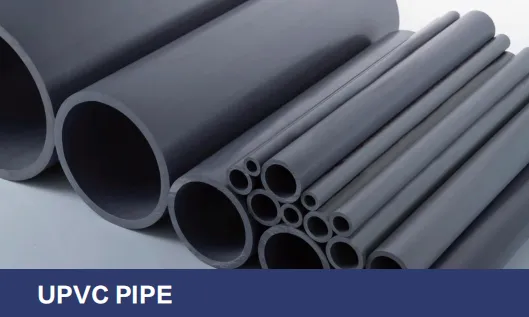
First, let's get clear on what we're talking about. UPVC (Unplasticized Polyvinyl Chloride) pipes are a staple in modern construction, prized for their durability, corrosion resistance, and versatility. Unlike regular PVC pipes, which contain plasticizers that make them flexible, UPVC is rigid and strong—ideal for carrying water, wastewater, and even chemicals in settings ranging from homes and offices to hospitals and schools. They're lightweight, easy to install, and resistant to rust and rot, which is why they've largely replaced metal pipes in many applications.
But here's the thing: not all UPVC pipes are created equal. The material quality, manufacturing standards, and testing protocols can vary drastically between suppliers. A pipe that looks the same on the outside might crumble under pressure (literally) a few years down the line, while a higher-quality option could last decades. That's why choosing the right upvc pipe supplier is so critical. It's not just about buying a product—it's about investing in a system that will keep your project running smoothly, safely, and cost-effectively for years to come.
Let's start with the elephant in the room: price. It's tempting to opt for the lowest bid when comparing suppliers. After all, construction budgets are tight, and every dollar saved feels like a win. But here's the problem: "cheap" UPVC pipes often come with hidden costs that far outweigh the initial savings. Let's break down the risks:
Many low-cost UPVC pipes are made with recycled or mixed resins, which sound eco-friendly but can compromise performance. Recycled plastic may contain impurities—like leftover chemicals, dirt, or even bits of other plastics—that weaken the pipe's structure. Over time, these impurities can cause the pipe to become brittle, crack under pressure, or leach substances into the water (a major concern for potable water systems). In contrast, reputable suppliers use virgin UPVC resin , which is pure, consistent, and engineered to meet strict strength and safety standards.
UPVC pipes rely on uniform wall thickness to withstand water pressure. Cheap manufacturing processes often cut corners here, resulting in pipes with uneven walls—thinner in some spots, thicker in others. These weak points are ticking time bombs. A pipe with a thin section might hold up during installation but fail a few months later when temperatures drop (causing contraction) or when water flow increases (adding pressure). The result? Leaks, water damage, mold growth, and costly repairs. A quality-focused upvc pipe supplier, however, uses precision machinery to ensure every pipe has consistent thickness, tested to handle the pressure ratings they claim.
Even if the pipes themselves are decent, pairing them with low-quality fittings is a mistake. Fittings—elbows, tees, couplings—are where pipes connect, and if they're poorly made, they'll be the first to fail. Cheap fittings might have loose threads, misaligned ports, or brittle plastic that cracks when tightened. This is why choosing a supplier that also offers reliable pipes fittings solutions is key; mismatched or low-grade fittings can turn even good pipes into a disaster waiting to happen.
Building codes exist for a reason. In most countries—including Saudi Arabia, where construction standards are (strict)—UPVC pipes must meet specific certifications to ensure they're safe for use. For example, ASTM D2466 is a common standard for UPVC pressure pipes, ensuring they can handle water pressure without bursting. Cheap suppliers often skip these certifications to cut costs. If your project uses uncertified pipes and something goes wrong (like a burst pipe flooding a commercial space), you could face legal penalties, insurance claims, or even project shutdowns. Reputable suppliers, on the other hand, will happily share certifications like ISO 9001 (quality management), ASTM, or local approvals, giving you peace of mind that their products comply with regulations.
At this point, you might be thinking, "Okay, so cheap pipes are risky—but are premium pipes really worth the extra cash?" The short answer: yes. Quality UPVC pipes aren't just about avoiding disasters; they're about long-term value. Here's why:
Low-quality UPVC pipes might last 5–10 years before showing signs of wear. Quality pipes? They can easily last 50 years or more. Let's do the math: A budget pipe costs $10 per meter and needs replacement after 10 years. A premium pipe costs $20 per meter but lasts 50 years. Over 50 years, you'd spend $50 per meter on budget pipes (5 replacements) vs. $20 per meter on premium. The "expensive" option ends up being cheaper in the long run.
Quality pipes mean fewer leaks, fewer clogs, and fewer repairs. Think about the cost of fixing a burst pipe in a commercial building: plumber fees, water damage restoration, lost business during downtime. For a homeowner, a leak under the floor could mean ripping up tiles, replacing drywall, and dealing with mold. These costs add up fast—often far more than the savings from buying cheap pipes upfront.
When you choose a reputable upvc pipe supplier, you're not just buying a product—you're buying confidence. You know the pipes won't leach harmful chemicals into drinking water. You know they'll withstand extreme temperatures (Saudi Arabia's scorching summers, for example). You know they'll meet local building codes, so you won't face legal issues down the line. That peace of mind? Priceless.
So, how do you find a supplier that offers both fair pricing and top-notch quality? It's not about choosing the most expensive option blindly—it's about evaluating the right factors. Here's a checklist to guide you:
Start by asking the supplier: "Do you use 100% virgin UPVC resin?" A trustworthy supplier will answer "yes" and provide documentation. If they hesitate or mention "recycled content," proceed with caution—unless they can prove the recycled material meets the same standards as virgin resin (which is rare and often still more expensive than quality virgin resin).
Look for suppliers with ISO 9001 certification (quality management) and product-specific certifications like ASTM D2466 (for pressure pipes) or ASTM D3034 (for sewer and drain pipes). In Saudi Arabia, check if they comply with SASO (Saudi Arabian Standards Organization) requirements. These certifications aren't just pieces of paper—they're proof the supplier follows strict processes to ensure consistency and safety.
A good supplier doesn't just say their pipes are strong—they test them. Ask about their testing procedures: Do they conduct pressure tests (to ensure pipes can handle specified water pressure)? Impact tests (to check durability in cold temperatures)? Chemical resistance tests (important for industrial applications)? Request copies of test reports—reputable suppliers will happily share them.
Research the supplier's track record. Check online reviews, ask for references, or talk to other contractors in your network. A supplier with a history of positive feedback ("Their pipes have held up for 10 years!") is far safer than one with complaints about leaks or poor service. Don't underestimate the power of word-of-mouth—happy customers are the best endorsement.
Quality suppliers stand behind their products. Do they offer a warranty? What does it cover (material defects, manufacturing errors)? Do they provide technical support if you have questions during installation? Avoid suppliers who disappear once the sale is made—you want a partner, not just a vendor.
A trustworthy supplier will be upfront about pricing. Watch out for hidden costs: "handling fees," "delivery surcharges," or "minimum order penalties." A fair price should include all costs, and bulk discounts should be clear and achievable. If a quote seems too good to be true, ask for a breakdown—you might find hidden fees that make the "cheap" option suddenly expensive.
To make this more concrete, let's compare two hypothetical suppliers—a "budget" option and a "quality-focused" one—across key metrics. This table will help you see how the choices stack up:
| Metric | Budget Supplier (Low-Quality) | Quality-Focused Supplier (High-Quality) |
|---|---|---|
| Material | Mixed/recycled resin with impurities | 100% virgin UPVC resin, pure and consistent |
| Certifications | No third-party certifications; may claim "meets standards" without proof | ISO 9001, ASTM D2466, SASO compliant (for Saudi Arabia) |
| Wall Thickness | Inconsistent; thin spots common | Uniform, precision-engineered to meet pressure ratings |
| Expected Lifespan | 5–10 years | 50+ years |
| Initial Cost (per meter) | $8–$12 | $18–$25 |
| 10-Year Cost (including replacements) | $16–$24 (2 replacements) | $18–$25 (no replacements) |
| After-Sales Support | Minimal; hard to reach after purchase | 20-year warranty, 24/7 technical support |
| Customer Reviews | Mixed; complaints about leaks and brittleness | Mostly positive; praise for durability and reliability |
Still on the fence? Let's look at two real (anonymized) stories from the field to see how supplier choice impacted project success.
A small construction firm in Jeddah was hired to build a 10-unit residential complex. To cut costs, they chose a budget upvc pipe supplier offering pipes at 30% below market rate. The project finished on time, and the developer was thrilled with the savings. Six months later, disaster struck: Multiple units reported leaks in the bathroom and kitchen pipes. An inspection revealed the pipes had cracked at the joints—due to inconsistent wall thickness and poor-quality fittings. Repairs required ripping up floors and walls, costing the developer $45,000—nearly double the initial savings on the pipes. The firm lost the developer's trust and had to redo the entire plumbing system with a quality supplier, eating into their profits.
A hospital in Riyadh needed to upgrade its plumbing system to meet strict health codes. They chose a reputable upvc pipe supplier known for compliant, high-quality products. The initial cost was 20% higher than budget options, but the supplier provided detailed certifications proving the pipes were non-toxic and resistant to bacteria (critical for a hospital). Ten years later, the hospital has had zero pipe-related issues. The facilities manager notes: "We've saved thousands in maintenance, and we never worry about water quality. The extra cost upfront was the best investment we made."
Talk is cheap—so how do you make sure a supplier's promises match reality? Here are five steps to verify their claims:
Ask for a sample pipe and fittings. Inspect them: Are the walls smooth and uniform? Do the fittings fit snugly without gaps? drop the pipe from waist height—quality UPVC should bounce slightly, not shatter. (Note: This is a basic test, not a replacement for official certifications.)
Don't just take the supplier's word for certifications. Look up their ISO 9001 registration number on the ISO website. Ask for a copy of their ASTM test report and verify it with the testing lab. For Saudi projects, check SASO compliance via the official portal.
A professional supplier will have a detailed website with technical data sheets, certification logos, and customer testimonials. Look for specific details: What pressure ratings do their pipes have? What temperatures can they withstand? Vague claims like "high-quality" or "durable" are red flags.
Request references from projects similar to yours (residential, commercial, industrial). Call those references and ask: "How long have the pipes been installed? Have you had any issues? Would you use this supplier again?" Honest feedback from peers is invaluable.
Ask: "What does your quality control process look like?" A good answer might include: "We test every batch of resin for purity, inspect pipes during manufacturing, and pressure-test 10% of each production run." If they can't explain their process, they likely don't have one.
Choosing a UPVC pipe supplier is about more than comparing price tags. It's about balancing short-term costs with long-term value, safety, and reliability. A cheap pipe might save you money today, but it could cost you thousands in repairs, replacements, and stress tomorrow. On the other hand, a quality pipe from a reputable upvc pipe supplier—one that uses virgin resin, holds certifications, and stands behind their product—will protect your project, your budget, and your peace of mind for decades.
So, the next time you're faced with that "budget vs. premium" dilemma, remember: Price is temporary, but quality is forever. Choose wisely, and your pipes (and your wallet) will thank you.
Recommend Products












