
How choosing the right materials and suppliers ensures long-lasting, efficient, and cost-effective wastewater management
Every building—whether a cozy home, a bustling office complex, or a busy hospital—relies on a silent workhorse: its wastewater system. Think about it: from the moment you flush a toilet, run a sink, or drain a shower, hundreds of gallons of water and waste flow through a network of pipes, quietly carrying away what we no longer need. But here's the catch: if those pipes fail, the consequences are messy, expensive, and even unhygienic. Leaks, clogs, corrosion—these aren't just inconveniences; they can lead to structural damage, health hazards, and sky-high repair bills.
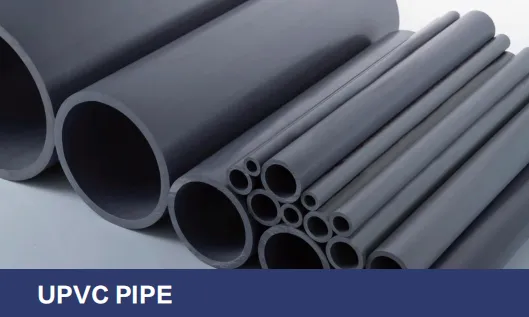
That's where the choice of piping material comes into play. For decades, industries have experimented with everything from cast iron to concrete, each with its own set of pros and cons. But in recent years, one material has risen to the top as a go-to solution for wastewater systems: Unplasticized Polyvinyl Chloride, better known as UPVC. And behind every reliable UPVC installation is an equally reliable upvc pipe supplier—one that understands the unique demands of wastewater management and delivers products that stand the test of time.
In this article, we're diving deep into why UPVC has become the material of choice for modern wastewater systems. We'll explore its key advantages, compare it to traditional materials, and discuss why partnering with the right upvc pipe supplier and pvc dwv pipe supplier (that's drain, waste, and vent—critical components of any plumbing setup) can make all the difference in your system's performance and longevity.
Let's start with the basics: UPVC is a rigid, durable plastic derived from vinyl chloride monomers, with no plasticizers added—hence the "unplasticized" in its name. This gives it a stiffer, more robust structure compared to regular PVC, making it perfect for applications where strength and stability are non-negotiable. But what really sets UPVC apart in wastewater systems are its material properties, which address the most common pain points of traditional piping materials.
Wastewater pipes don't just sit idle—they're subjected to constant pressure, temperature fluctuations, and the wear and tear of daily use. A pipe that cracks, warps, or degrades over time isn't just a hassle; it's a ticking time bomb. UPVC, however, is engineered for longevity. Most manufacturers guarantee a lifespan of 50 years or more, and in many cases, UPVC pipes have been known to perform well beyond that. Compare that to galvanized steel pipes, which typically start corroding after 15–20 years, or concrete pipes that can develop cracks due to ground movement or chemical exposure.
Here's a real-world example: In a residential complex in Riyadh, Saudi Arabia, built in the early 2000s, the original UPVC wastewater pipes are still in use today—no leaks, no replacements needed. The secret? The developer partnered with a reputable upvc pipe supplier that sourced pipes made from high-grade resin, ensuring consistent quality across every batch. When you're investing in a system that's hidden behind walls and under floors, durability isn't a luxury—it's a necessity.
Wastewater isn't just water. It's a cocktail of chemicals: soaps, detergents, cleaning agents, food scraps, and in commercial settings, even industrial byproducts. For metal pipes, this mixture is a nightmare. Steel rusts, copper corrodes, and cast iron develops scale buildup, all of which restrict flow and lead to blockages. UPVC, on the other hand, is inherently corrosion-resistant. Its smooth inner surface doesn't react with acids, alkalis, or salts, meaning it won't rust, pit, or degrade—even when exposed to harsh substances day in and day out.
Take hospitals, for instance. Medical facilities generate wastewater containing disinfectants, pharmaceuticals, and biological waste. A class A fireproof cpl inorganic board might be the star of the interior, but the unseen UPVC pipes are equally critical. They handle these potentially corrosive fluids without breaking a sweat, ensuring the system remains hygienic and efficient. Similarly, in schools or commercial kitchens, where cleaning products are used liberally, UPVC pipes maintain their integrity, reducing the risk of leaks and contamination.
Let's talk logistics. Traditional materials like concrete or cast iron are heavy—really heavy. A 10-foot length of cast iron pipe can weigh upwards of 70 pounds, requiring heavy machinery to transport and install. This not only drives up labor costs but also slows down construction timelines. UPVC pipes, by contrast, are lightweight—often less than a quarter of the weight of metal pipes of the same size. This makes them easy to handle on-site, even for small crews, and reduces the need for specialized equipment.
Installation is a breeze too. UPVC pipes can be cut with simple hand tools, and joints are sealed using solvent cement—a quick, reliable process that forms a permanent bond in minutes. No welding, no heavy threading, no curing time like concrete. A skilled plumber can install an entire residential wastewater system in a fraction of the time it would take with metal pipes. And when you pair UPVC pipes with fittings from a trusted pipes fittings supplier, you ensure a perfect fit, minimizing the risk of leaks at connection points.
At first glance, UPVC pipes might seem pricier than some low-grade materials, but let's look at the bigger picture: total cost of ownership. Here's how UPVC stacks up:
Over the lifespan of a building, these savings add up. A study by the Plastic Pipe Institute found that UPVC wastewater systems can save up to 40% in total costs compared to cast iron systems over 50 years. For developers, homeowners, and facility managers, that's a significant return on investment.
Sustainability is no longer a buzzword—it's a critical consideration in every industry, including construction. UPVC pipes check this box too. First, their production requires less energy than metal or concrete, resulting in a lower carbon footprint. Second, UPVC is 100% recyclable. At the end of their long lifespan, pipes can be melted down and repurposed into new products, reducing waste in landfills.
What's more, UPVC pipes don't leach harmful chemicals into the environment, making them safe for both drinking water (yes, they're used there too!) and wastewater applications. Unlike some metal pipes that require lead-based solders or corrosive coatings, UPVC is inert, ensuring that the water flowing through it—whether clean or waste—remains untainted. For eco-conscious builders and municipalities, this is a major plus.
To really understand UPVC's advantages, let's put it side by side with other common wastewater piping materials. The table below breaks down key factors like durability, cost, and performance:
| Material | Expected Lifespan | Corrosion Resistance | Installation Time | Total Cost (50-Year Lifespan) | Sustainability |
|---|---|---|---|---|---|
| UPVC | 50+ years | Excellent (resists chemicals, salt, and moisture) | Fast (1–2 days for a typical home) | Low (minimal maintenance, no replacement costs) | High (recyclable, low energy production, no toxic additives) |
| Galvanized Steel | 15–20 years | Poor (prone to rust and corrosion) | Slow (3–5 days for a typical home) | High (replacement every 20 years, maintenance costs) | Medium (recyclable but high energy production) |
| Concrete | 30–40 years | Moderate (vulnerable to chemical attack) | Very slow (requires curing time, heavy machinery) | Very high (high initial cost, potential for cracking/repairs) | Low (high embodied energy, not easily recyclable) |
| Polyethylene (PE) | 40–50 years | Good (resists chemicals but less rigid than UPVC) | Fast (similar to UPVC) | Medium (higher initial cost than UPVC, similar maintenance) | High (recyclable, but less rigid for certain applications) |
As the table shows, UPVC outperforms traditional materials in nearly every category, especially when it comes to long-term cost savings and durability. It's no wonder that more and more builders, engineers, and municipalities are making the switch.
So, you're sold on UPVC—now what? The next step is finding a reliable upvc pipe supplier that can deliver the quality and support you need. Here's the truth: not all UPVC pipes are created equal. The market is flooded with low-quality products that cut corners on raw materials or manufacturing standards, and these can fail prematurely, costing you more in the long run. That's why partnering with a reputable supplier is just as important as choosing the material itself.
1. Quality Certifications: A trustworthy upvc pipe supplier will adhere to international standards like ISO 9001 for quality management and ASTM D1785 for UPVC pipe specifications. These certifications ensure that the pipes are tested for strength, durability, and safety. For wastewater systems, look for suppliers who also comply with local regulations—for example, in Saudi Arabia, suppliers should meet SASO (Saudi Arabian Standards Organization) requirements.
2. Range of Products: Wastewater systems aren't just about pipes—they need fittings, valves, and accessories to function properly. A good supplier will offer a full line of upvc pipe solutions, including elbows, tees, couplings, and reducers, as well as specialized products like pvc dwv pipe solutions designed specifically for drain, waste, and vent systems. This one-stop shopping saves you time and ensures compatibility across all components.
3. Technical Expertise: Installing a wastewater system can be complex, and you'll likely have questions along the way. A reliable upvc pipe supplier should have a team of technical experts who can help you select the right products for your project, whether it's a small home or a large commercial building. They should be able to advise on pipe sizing, pressure ratings, and installation best practices, ensuring your system is optimized for performance.
4. Consistency and Reliability: Imagine ordering a batch of pipes only to find they're slightly different in size or color from the last shipment—that's a recipe for installation headaches. A top-tier supplier maintains strict quality control, ensuring every pipe and fitting meets the same high standards. They should also have a reliable supply chain, so you never have to delay your project waiting for materials.
5. Commitment to Sustainability: As sustainability becomes increasingly important, look for suppliers who prioritize eco-friendly practices, from using recycled materials in production to minimizing waste in packaging. A supplier who cares about the environment is more likely to produce high-quality, long-lasting products that align with your green building goals.
Let's take a practical example: A hotel in Jeddah, Saudi Arabia, was renovating its wastewater system to handle increased capacity. The project manager partnered with a local upvc pipe supplier that specialized in commercial solutions. The supplier provided not just pipes but also custom fittings and technical support, helping the team design a system that could handle the hotel's high water usage. The result? The renovation was completed two weeks ahead of schedule, and the system has operated flawlessly for over five years, with zero maintenance issues.
As cities grow and technology advances, the demand for efficient, sustainable wastewater systems will only increase. UPVC is well-positioned to meet this demand, thanks to ongoing innovations in material science and manufacturing. For example, some suppliers are developing UPVC pipes with enhanced UV resistance for outdoor applications, or with smoother inner surfaces to reduce friction and improve flow rates. Others are exploring ways to make UPVC even more recyclable, further reducing its environmental impact.
Another trend to watch is the integration of smart technology. Imagine UPVC pipes embedded with sensors that monitor flow rates, pressure, and temperature, alerting you to potential issues before they become problems. While this is still in the early stages, it's a sign of how UPVC is evolving from a "dumb" material to a key component of smart, connected infrastructure.
But perhaps the biggest advantage of UPVC is its adaptability. Whether you're building a new home, retrofitting an old office, or designing a large-scale municipal wastewater system, UPVC can be tailored to meet your needs. And with the right upvc pipe supplier by your side, you can be confident that your system will perform reliably for decades to come.
Wastewater systems may not be glamorous, but they're essential to our daily lives and the health of our communities. Choosing the right piping material and supplier is a decision that impacts everything from construction costs to long-term maintenance, and ultimately, the safety and efficiency of the system. UPVC pipes, with their durability, corrosion resistance, cost-effectiveness, and sustainability, have proven to be a game-changer in this space.
But remember: the best material in the world is only as good as the supplier behind it. By partnering with a reputable upvc pipe supplier—one that prioritizes quality, technical expertise, and customer support—you ensure that your wastewater system is built to last. Whether you're in Saudi Arabia, Europe, or anywhere else in the world, investing in high-quality UPVC pipes and solutions is an investment in peace of mind.
So, the next time you're planning a construction or renovation project, don't overlook the humble wastewater pipe. Choose UPVC, choose a trusted supplier, and build a system that works silently, efficiently, and reliably—today, tomorrow, and for generations to come.
Recommend Products












