
Beneath the surface of every building—whether a cozy home, a bustling office, or a sprawling industrial complex—lies a network that's easy to overlook until something goes wrong: underground plumbing. These hidden pipes carry water, waste, and utilities, forming the circulatory system of any structure. When they work well, life hums along smoothly. But when they fail? Leaks, water damage, mold growth, and costly repairs can quickly turn into nightmares.
For homeowners, contractors, and project managers, choosing the right materials for underground plumbing isn't just a matter of cost—it's about peace of mind. You need pipes that can withstand the test of time, resist the harsh conditions of soil and moisture, and install with enough ease to keep projects on schedule. In recent years, one material has risen to the top of this list: Unplasticized Polyvinyl Chloride, or UPVC. And behind every reliable UPVC installation is a trusted upvc pipe supplier, offering not just products, but comprehensive upvc pipe solutions tailored to the unique demands of underground systems.
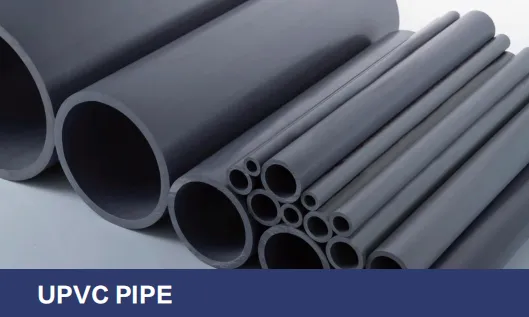
If you've ever walked through a hardware store or scrolled through a pipes fittings supplier's catalog, you've likely seen a dizzying array of options: PVC, PPR, copper, cast iron, and more. So why has UPVC become the material of choice for underground plumbing? Let's start with the basics. UPVC is a rigid, strong version of PVC (Polyvinyl Chloride) that's free of plasticizers—chemicals that make regular PVC flexible but less durable. This rigidity gives UPVC pipes a unique set of advantages that shine in underground environments.
First, think about what underground pipes face daily: soil pressure, moisture, chemicals from fertilizers or industrial waste, and temperature fluctuations. A pipe that cracks under pressure, corrodes from soil acids, or warps in extreme heat is a disaster waiting to happen. UPVC, however, was built to stand up to these challenges. It's resistant to corrosion, doesn't react with most chemicals, and maintains its shape even when buried under tons of soil. For anyone tired of dealing with rusted metal pipes or brittle older plastics, UPVC feels like a revelation.
One of the biggest enemies of underground pipes is corrosion. Traditional materials like galvanized steel or iron react with water and soil minerals over time, leading to rust buildup, narrowed pipes, and eventually, leaks. Imagine a 10-year-old iron pipe in a soil rich with clay and minerals—chances are, it's already showing signs of wear, and replacing it would mean digging up your yard or driveway. UPVC, on the other hand, is inert. It doesn't rust, rot, or degrade when exposed to moisture, acids, or alkalis. This makes it ideal for areas with high soil salinity, industrial runoff, or even coastal regions where saltwater can seep into the ground.
I once spoke with a contractor in a coastal town who switched to UPVC after years of replacing corroded iron pipes every 15 years. "We used to get calls from homeowners complaining about low water pressure or soggy lawns every few years," he said. "Now, with UPVC, we install once and forget. The pipes look as good after 20 years as the day we put them in." That's the kind of reliability a quality upvc pipe supplier promises—products designed to outlast the buildings they serve.
Underground pipes don't just sit idle—they're under constant pressure. Water mains, for example, need to push water uphill, around corners, and through long distances, while waste pipes must handle the force of flowing sewage. UPVC pipes are engineered to handle high pressure, with most models rated for working pressures between 10 bar and 25 bar (that's 145 to 363 psi, for reference). This strength comes from their rigid structure and uniform wall thickness, which distribute pressure evenly to prevent bursting.
But it's not just about raw strength—it's about consistency. A reputable upvc pipe supplier ensures each pipe is tested to meet industry standards, like ISO 4422 or ASTM D1785, so you know you're getting a product that won't fail under stress. Whether you're installing a residential water line or a commercial irrigation system, UPVC's pressure resistance means fewer callbacks and more confidence in your work.
Underground doesn't mean temperature-stable. In cold climates, pipes can freeze and burst if the material isn't resilient. In hot regions, prolonged exposure to high soil temperatures can cause some plastics to soften or warp. UPVC strikes a balance here, with a temperature range of -10°C to 60°C (14°F to 140°F) for most applications. This makes it versatile enough for use in northern winters, where frost lines run deep, and southern summers, where the ground can feel like an oven.
I recall a project in a mountainous area where the client was worried about winter freezes. The upvc pipe supplier recommended a slightly thicker walled UPVC pipe and paired it with insulated fittings. Three winters later, there hasn't been a single freeze-related issue. "We used to wrap metal pipes in insulation and pray," the project manager laughed. "Now, UPVC does the heavy lifting on its own."
Even the most durable pipe is only as good as its installation. Fortunately, UPVC's design makes it one of the easiest materials to work with—whether you're a seasoned plumber or a DIY homeowner tackling a small project. Let's walk through the key steps, with insights from professionals who've mastered the process.
Before you even touch a pipe, you need to understand the soil. Is it rocky? Sandy? Clay-heavy? Each type affects how you'll trench and bed the pipes. Rocky soil, for example, requires careful digging to avoid scratching the pipe's surface (a small nick can turn into a weak spot over time). Clay soil, which retains moisture, may need extra drainage to prevent pipe floatation during heavy rains.
A good upvc pipe supplier will often provide technical guidance here. Many offer soil analysis tools or can recommend bedding materials—like sand or gravel—to protect the pipes. "We once had a client in a clay-heavy area skip the gravel bedding to save time," a supplier rep told me. "Six months later, the pipes had shifted, and we had to redo the entire line. Bedding isn't optional—it's part of the system's durability."
UPVC pipes are rigid, but they cut cleanly with the right tools. A fine-toothed saw (hacksaw or circular saw with a plastic-cutting blade) works best, as jagged edges can weaken the joint. Always measure twice and cut once—UPVC doesn't bend, so misaligned pipes mean wasted materials and extra work.
Pro tip: After cutting, use a deburring tool to smooth the edges. Sharp plastic burrs can damage O-rings in fittings, leading to leaks. Most upvc pipe suppliers sell affordable deburring kits, and it's a step worth investing in for long-term reliability.
UPVC pipes are joined using solvent cement—a special adhesive that melts the plastic surfaces slightly, creating a molecular bond as it dries. This isn't your average glue; it's a permanent connection that's stronger than the pipe itself when done right. Here's how the pros do it:
"Rushing the curing time is the biggest mistake I see," a master plumber with 30 years of experience told me. "A client once turned on the water after 6 hours because they were in a hurry. The joint held for a week, then split. Now, I tell everyone: patience isn't just a virtue—it's part of the installation."
To truly appreciate UPVC, it helps to see how it compares to other common underground plumbing materials. Let's break it down with a table, drawing on insights from pipes fittings suppliers who've seen it all.
| Material | Durability | Installation Ease | Cost (per meter) | Best Use Case |
|---|---|---|---|---|
| UPVC | Excellent (50+ year lifespan, corrosion-resistant) | Easy (solvent cement, lightweight) | $5–$15 | Residential/commercial water lines, irrigation, sewage (non-pressure) |
| PVC DWV (Drain-Waste-Vent) | Good (30–40 years, less rigid than UPVC) | Easy (similar to UPVC, but thinner walls) | $3–$10 | Drainage systems, vents (low-pressure applications) |
| PPR (Polypropylene Random Copolymer) | Good (40–50 years, heat-resistant) | Moderate (requires heat fusion tools) | $8–$20 | Hot water lines, radiant heating |
| Cast Iron | Excellent (100+ years, but heavy and prone to rust) | Difficult (requires lifting equipment, threading) | $20–$50 | Historic buildings, high-pressure industrial lines |
As the table shows, UPVC balances durability, cost, and ease of installation better than most alternatives. PVC DWV, for example, is cheaper but less rigid—great for drains but not for high-pressure water lines. Cast iron lasts forever but is heavy, expensive, and a nightmare to install. UPVC hits the sweet spot, making it the top choice for most underground projects.
It's worth noting that some projects may call for specialized materials. For example, hospitals and schools often use Class A fireproof CPL inorganic boards, but when it comes to plumbing, UPVC remains the workhorse. A trusted upvc pipe supplier will help you assess your needs and recommend the right material for the job—not just what's in stock.
You could buy UPVC pipes from a big-box store, but if you're serious about durability and installation success, you need a supplier who offers more than just products. A great upvc pipe supplier is a partner—one who provides technical support, quality assurance, and a range of upvc pipe solutions tailored to your project.
Not all UPVC is created equal. Low-quality pipes, often imported from unregulated manufacturers, may have inconsistent wall thickness, weak joints, or toxic additives. Always ask for certifications: ISO 9001 (quality management), ISO 14001 (environmental management), and product-specific standards like ASTM D1785 or BS EN 1452. These certifications mean the supplier adheres to strict quality control processes, from raw material sourcing to final testing.
I visited a supplier's factory once, and they walked me through their testing lab: pipes being bent to failure, pressure-tested to 300 psi, and even submerged in chemical baths to simulate 50 years of soil exposure. "We reject about 2% of our production for minor flaws," the quality manager said. "It costs us, but our clients know they're getting the best." That's the kind of commitment you want in a partner.
Underground plumbing isn't just about pipes—it's about the fittings that connect them: elbows, tees, couplings, valves, and reducers. A good upvc pipe supplier should offer a full range of compatible fittings, so you don't have to mix and match brands (a common source of leaks). Look for suppliers who also stock specialty items, like pressure-rated valves or UV-resistant pipes for above-ground transitions.
For example, if you're installing a system that includes both water lines and drainage, a supplier who also carries pvc dwv pipe and fittings can simplify your ordering process. "We once had a client order UPVC from us and DWV from another supplier," a sales rep recalled. "The fittings didn't quite align, and they had to rework the entire layout. Now, we encourage clients to get everything from one source—it saves time and headaches."
Even experienced contractors run into questions: "What pressure rating do I need for this slope?" "Can UPVC handle this chemical in the soil?" A top supplier will have a team of technical experts who can answer these questions and even visit job sites for consultations. Some even offer training workshops for installers, ensuring everyone on the team knows the best practices for cutting, joining, and bedding UPVC pipes.
I worked with a supplier once who sent an engineer to a tricky commercial project where the pipe had to navigate around existing utility lines. The engineer drew up a custom bending plan using flexible UPVC elbows, saving the client weeks of rework. "That's the difference between a supplier and a partner," the client said later. "They didn't just sell us pipes—they helped us solve a problem."
Numbers and specs tell part of the story, but real-world examples show UPVC's true value. Let's look at two projects—one residential, one commercial—that relied on UPVC and a trusted supplier to deliver results.
A housing developer in a suburban area needed to install underground water and drainage lines for 50 new homes. The soil was a mix of clay and sand, and the local water authority required pipes that could handle 15 bar pressure. The developer chose a local upvc pipe supplier who recommended 4-inch UPVC pipes for water lines and 6-inch PVC DWV pipes for drainage, paired with solvent-welded fittings.
Three years after completion, the developer reports zero leaks or failures. "We used to have at least 2–3 callouts per year with the galvanized steel pipes we used before," the site manager said. "Now, the only calls are from homeowners asking about the 'miracle pipes' that never need fixing." The supplier's technical team also helped design a slope for the drainage lines, ensuring proper flow and preventing clogs—a detail that saved the developer from expensive snaking services down the line.
A logistics company built a 100,000-square-foot warehouse with a large irrigation system for the surrounding landscaping and a fire suppression line. The ground was rocky, and the system needed to handle 20 bar pressure for fire safety. The upvc pipe supplier recommended heavy-duty UPVC pipes with wall thickness rated for SCH40 pressure, along with brass-plated fittings for added durability in the rocky soil.
Five years later, the warehouse manager is impressed. "We've had two extreme rain events where the ground shifted, but the UPVC pipes flexed just enough to avoid cracking," he noted. "The supplier even followed up a year after installation to check on performance—you don't get that kind of service everywhere." The irrigation system, which runs 12 hours a day in summer, has maintained consistent pressure, and the fire marshal praised the pipe's pressure rating during inspections.
UPVC is low-maintenance, but it's not "install and forget" (though it comes close). A little care can extend its lifespan even further and prevent small issues from becoming big problems.
While UPVC resists most household and industrial chemicals, some strong solvents (like concentrated acids or petroleum products) can damage the pipe's surface. If you're using chemical drain cleaners, opt for mild, enzymatic formulas instead of harsh acids. For industrial settings, consult your upvc pipe supplier about chemical compatibility—they can provide a detailed resistance chart to keep your pipes safe.
If you're doing any digging near underground UPVC pipes—whether for a new fence, a garden bed, or tree planting—call 811 (or your local utility locating service) first. Even a small nick from a shovel can weaken the pipe over time. If digging is unavoidable, use hand tools near the pipe and cover it with a protective board to distribute weight.
UPVC drainage pipes are smooth, which resists clogs, but hair, grease, and debris can still build up. Use a plunger or a snake (auger) for minor clogs, and avoid using a plumber's snake with sharp edges that could scratch the pipe. For commercial kitchens or industrial settings, consider installing grease traps to reduce buildup.
Underground plumbing is too important to cut corners on. It's the foundation of a functional, comfortable building, and choosing the right materials can save you time, money, and stress for decades. UPVC's durability, ease of installation, and versatility make it the clear choice for most projects—and partnering with a reputable upvc pipe supplier ensures you get the quality, support, and peace of mind you deserve.
Whether you're a homeowner replacing a old water line, a contractor bidding on a commercial project, or a developer building the next neighborhood, remember: the best underground plumbing systems aren't just built with pipes—they're built with trust. Trust in the material, trust in the installation, and trust in the supplier who stands behind their products. With UPVC, that trust is well-earned.
Recommend Products












