
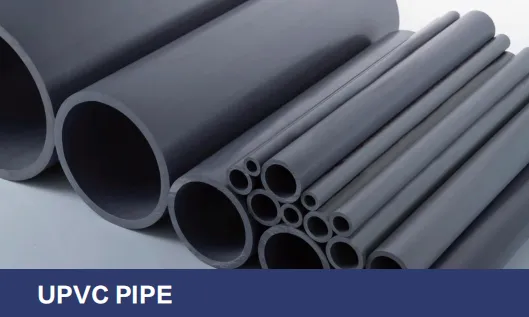
When you're building your dream home or renovating an existing one, the plumbing system is the unsung hero that keeps everything running smoothly. From morning showers to washing dishes and flushing toilets, you rely on it daily. At the heart of this system? Pipes. And not just any pipes—UPVC pipes have become a go-to choice for residential plumbing, thanks to their durability, affordability, and versatility. But here's the thing: even the best UPVC pipes are only as good as the supplier behind them. Choosing the right upvc pipe supplier isn't just about buying a product; it's about investing in a reliable, long-term plumbing solution for your home. In this guide, we'll break down the key considerations to help you select a supplier that delivers quality, trust, and peace of mind.
Before diving into supplier selection, let's start with the basics: what exactly is UPVC, and why is it so popular? UPVC stands for Unplasticized Polyvinyl Chloride—a rigid, strong plastic material that's been a staple in plumbing for decades. Unlike regular PVC pipes, which are softened with plasticizers, UPVC retains its stiffness, making it ideal for high-pressure applications like water supply lines. But its benefits don't stop there.
First, durability. A well-made UPVC pipe can last 50 years or more, outperforming many traditional materials. They're resistant to corrosion, rust, and chemical damage—perfect for areas with hard water or soil that might eat away at metal pipes. Second, they're lightweight. Carrying and installing heavy metal pipes can be a hassle, but UPVC pipes are easy to handle, cut, and join, reducing labor time and costs. Third, they're cost-effective. Compared to copper or stainless steel, UPVC pipes are significantly cheaper, making them accessible for homeowners on a budget. And finally, their smooth inner surface minimizes water flow resistance, reducing the risk of clogs and ensuring efficient water pressure throughout your home.
But here's the catch: not all UPVC pipes are created equal. The difference lies in the quality of materials, manufacturing standards, and the supplier's commitment to excellence. That's why choosing the right upvc pipe supplier is critical. Let's explore the key factors to keep in mind.
When evaluating an upvc pipe supplier, the first question to ask is: "What's in the pipe?" The quality of raw materials directly impacts the pipe's strength, flexibility, and lifespan. Reputable suppliers use high-grade, virgin UPVC resin—free from impurities, recycled plastics with inconsistent properties, or fillers that weaken the structure. Why does this matter? Impure materials can lead to brittleness, cracks, or leaks, especially under pressure or extreme temperatures.
Dig deeper into their manufacturing process. Do they follow strict quality control protocols? Are their pipes tested for pressure resistance, impact strength, and chemical stability? For example, a standard UPVC pipe for residential water supply should withstand pressures of at least 10 bar (145 psi) without bursting. Some suppliers might skimp on wall thickness to cut costs, but thinner pipes are more prone to damage during installation or from external impacts (like a shovel hitting a buried pipe). Don't hesitate to request certificates of analysis or product samples. A trustworthy supplier will happily share this information, proving their commitment to transparency.
| Material | Average Lifespan | Corrosion Resistance | Installation Ease | Cost (Per Meter, Approx.) | Best For |
|---|---|---|---|---|---|
| UPVC | 50+ years | Excellent (resists rust, chemicals, and soil corrosion) | High (lightweight, no special tools needed for cutting/joining) | $2–$5 | Cold water supply, drainage, vent systems |
| Copper | 70+ years | Good (prone to pinhole leaks in acidic water) | Low (requires soldering, heavy lifting) | $15–$30 | Hot water lines, premium homes |
| PPR (Polypropylene Random Copolymer) | 40–50 years | Excellent | Medium (requires heat fusion tools) | $4–$8 | Hot and cold water lines |
| PVC DWV (Drainage, Waste, Vent) | 40+ years | Excellent | High (lightweight, easy to assemble) | $1–$3 | Wastewater drainage, vent pipes |
As the table shows, UPVC strikes a balance between durability, cost, and ease of installation—making it a top choice for most residential projects. But again, this only holds true if the supplier prioritizes material quality.
A great product is useless if the supplier can't deliver on time or support you after the sale. When vetting an upvc pipe supplier, reliability is non-negotiable. Start by checking their track record: How long have they been in business? A company with 10+ years of experience has likely weathered industry challenges and built a reputation for consistency. Newer suppliers aren't inherently bad, but they may lack the infrastructure or expertise to handle unexpected issues, like a sudden spike in demand or supply chain delays.
Next, look for customer reviews and testimonials. Are past clients raving about their products, or complaining about late deliveries and unresponsive service? Platforms like Google, industry forums, or even social media can provide insights. Don't just read the positive reviews—pay attention to how the supplier responds to negative feedback. Do they address issues promptly, or ignore complaints? This speaks volumes about their commitment to customer satisfaction.
Request references, especially for residential projects similar to yours. If you're building a 10-home housing complex, ask if they've supplied pipes for a project of that scale. A supplier who's worked on small renovations and large developments alike is more likely to understand your unique needs. Finally, assess their logistics. Do they have a network of warehouses or distributors to ensure timely delivery, even to remote areas? Delays in pipe delivery can hold up your entire construction timeline, costing you time and money.
Residential plumbing systems are more than just water supply lines. They include drainage, venting, hot water lines, and fittings. A top-tier upvc pipe supplier will offer a comprehensive range of products to meet all these needs, acting as a "one-stop shop" for your plumbing requirements. This not only saves you the hassle of coordinating with multiple vendors but also ensures compatibility between components—critical for preventing leaks.
For example, while UPVC is perfect for cold water supply, you'll likely need specialized pipes for other parts of your system. A reputable supplier might also be a pvc dwv pipe supplier, offering PVC Drainage, Waste, and Vent (DWV) pipes designed to handle wastewater and sewer gases. These pipes are slightly different from UPVC—they're often larger in diameter and have a smoother inner surface to prevent clogs—but they're made from similar durable materials.
If your home has hot water lines, look for suppliers who also stock PPR pipes and fittings. PPR (Polypropylene Random Copolymer) pipes are heat-resistant, making them ideal for carrying hot water from your heater to taps and showers. A supplier that offers both UPVC and ppr pipe and fitting solutions can help you design a system where cold water lines use UPVC (cost-effective and durable) and hot water lines use PPR (heat-resistant), ensuring optimal performance across the board.
Don't forget about fittings! Elbows, tees, couplings, valves, and reducers are essential for connecting pipes and directing water flow. A good supplier will stock a wide range of fittings in various sizes, ensuring you can find exactly what you need without compromising on quality. Mismatched or low-quality fittings are a common cause of leaks, so it's worth investing in components from the same supplier as your pipes.
Residential plumbing is governed by strict building codes and standards, and using non-compliant pipes can lead to legal penalties, failed inspections, or even health risks. When choosing an upvc pipe supplier, verify that their products meet local and international standards. This ensures they're safe, reliable, and fit for purpose.
For example, UPVC pipes used for drinking water must comply with standards like ASTM D1785 (in the U.S.) or ISO 4422 (internationally), which set requirements for material quality, dimensions, and pressure resistance. For drainage pipes, ASTM D2665 or DIN 11852 are common benchmarks. If you're in Saudi Arabia, look for compliance with SASO (Saudi Arabian Standards Organization) standards—a local saudi arabia building materials supplier will be well-versed in these regional requirements, ensuring your project passes inspections without delays.
Health and safety certifications are equally important. For drinking water pipes, certifications like NSF/ANSI 61 confirm that the pipes are free from harmful chemicals (like lead or phthalates) that could leach into water. For commercial-residential hybrids (e.g., a home with a small clinic or school nearby), you might even encounter stricter standards—though this is more common for specialized products like class a fireproof cpl inorganic board for hospital and school solutions. For most homes, however, ensuring compliance with basic plumbing and safety standards is non-negotiable.
Even seasoned builders can have questions about pipe sizing, pressure ratings, or installation techniques. That's where a supplier's customer support team comes in. A reputable upvc pipe supplier won't just sell you pipes—they'll offer expert guidance to help you make informed decisions.
Ask about their technical support: Do they have a team of engineers or plumbing experts available to answer questions? Can they help you calculate the right pipe diameter for your home's water pressure needs? For example, a 3-bedroom home might require 20mm pipes for individual fixtures but 25mm or 32mm pipes for main supply lines. A good supplier will walk you through these details, ensuring you don't overspend on oversized pipes or risk low water pressure with undersized ones.
Post-purchase support is equally important. What's their warranty policy? Most reputable suppliers offer warranties of 10–20 years on UPVC pipes, covering defects in materials or workmanship. But read the fine print: Does the warranty cover installation errors, or only manufacturing defects? A supplier that stands behind their products will be transparent about warranty terms and quick to resolve issues if they arise. Avoid suppliers who are slow to respond to queries or reluctant to honor their warranty—this is a red flag for poor customer service.
Let's talk about money. While it's tempting to choose the cheapest upvc pipe supplier, this can be a costly mistake in the long run. Low prices often mean low quality—think thin pipes, impure materials, or skimped testing. These shortcuts can lead to leaks, bursts, or premature failure, requiring expensive repairs or replacements down the line.
Instead of focusing solely on upfront cost, look for value. Compare quotes from 2–3 reputable suppliers, considering factors like material quality, warranty length, product range, and customer support. A slightly higher price might be worth it for a pipe that lasts 50 years instead of 20, or for a supplier that offers free technical advice and fast replacements. Don't be afraid to negotiate bulk discounts, especially if you're buying pipes for a large project. Many suppliers offer lower per-meter rates for big orders, helping you save without sacrificing quality.
Also, factor in long-term savings. UPVC pipes require minimal maintenance—no repainting, rust treatment, or frequent replacements—unlike metal pipes. Their lightweight design reduces labor costs during installation. And their smooth inner surface minimizes clogs, reducing the need for plumber visits. Over time, these savings can add up, making UPVC (and a quality supplier) a smart investment.
In today's world, sustainability is more than a buzzword—it's a responsibility. When choosing an upvc pipe supplier, consider their commitment to eco-friendly practices. UPVC itself is a sustainable material: it's recyclable, energy-efficient to produce, and requires fewer resources than metal pipes. But some suppliers go the extra mile to reduce their environmental impact.
Ask about their manufacturing process: Do they use renewable energy? Do they minimize waste by recycling production scraps? Are their packaging materials eco-friendly (e.g., biodegradable or recyclable)? Some suppliers also offer upvc pipe solutions designed to conserve water, like pipes with turbulence-reducing inner surfaces that improve flow efficiency, lowering water usage and utility bills.
While sustainability might not be the top priority for every homeowner, it's worth considering. Choosing an eco-friendly supplier aligns with global efforts to reduce carbon footprints and can even enhance your home's resale value—more and more buyers are looking for green features, including sustainable plumbing.
Your home's plumbing system is too important to leave to chance. By prioritizing material quality, supplier reliability, product range, compliance, customer support, value, and sustainability, you can choose an upvc pipe supplier that delivers durable, efficient, and long-lasting upvc pipe solutions. Remember, this isn't just a transaction—it's a partnership. A good supplier will work with you to understand your needs, answer your questions, and ensure your plumbing system is built to last for decades.
So take your time, do your research, and don't settle for anything less than excellence. Whether you're building a new home or upgrading an old plumbing system, the right upvc pipe supplier will give you the peace of mind that comes with knowing your pipes are reliable, your system is compliant, and your investment is protected. After all, your home is more than just a building—it's where memories are made. Make sure its plumbing system is as strong and enduring as those memories.
Recommend Products












