
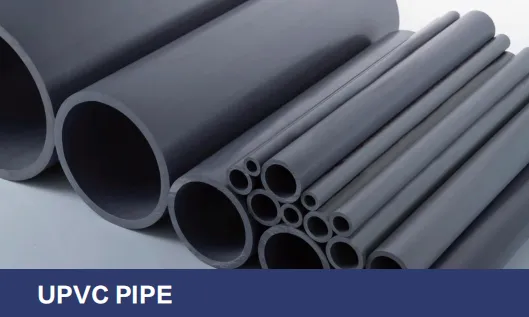
Renovating a space—whether it's a cozy family home, a bustling office, or a historic building—should be an exciting journey of transformation. But for many homeowners and contractors, the process often hits a snag when old, outdated plumbing systems enter the picture. Leaky pipes, corroded joints, and inefficient water flow can turn what should be a smooth renovation into a stressful, budget-busting headache. That's where modern pipe solutions come in, and at the forefront of this revolution is the humble yet mighty UPVC pipe. As an experienced upvc pipe supplier, we've witnessed firsthand how the right pipes and fittings can turn renovation chaos into a seamless success story. In this article, we'll dive into why UPVC pipes are becoming the go-to choice for retrofit projects, the specific solutions they offer, and how partnering with a reliable supplier makes all the difference.
Let's start with the obvious: old pipes weren't built for modern demands. Think about a 1960s home still relying on galvanized steel pipes. Over time, these pipes corrode from the inside out, leading to rusty water, reduced water pressure, and even dangerous leaks that can rot floors or damage walls. Similarly, older copper pipes might develop pinhole leaks due to chemical reactions with minerals in the water, or their joints might loosen after decades of use. For contractors, dealing with these issues during a renovation isn't just about replacing pipes—it's about doing so without tearing down entire walls, disrupting daily life, or exceeding tight deadlines.
Retrofit projects come with unique challenges that new construction doesn't face. Space is often limited: you're working around existing structures, electrical wiring, and fixtures. You need materials that are easy to maneuver in tight crawl spaces or narrow wall cavities. Durability is non-negotiable too—no one wants to redo their plumbing a decade after renovation. And let's not forget compliance: modern building codes have stricter standards for water efficiency, noise reduction, and fire safety, which many older pipe materials simply can't meet. All of this adds up to one clear truth: retrofit projects need pipe solutions that are designed for the unique demands of renovation work.
If you're not familiar with UPVC (unplasticized polyvinyl chloride), let's fix that. Unlike regular PVC, which is flexible and often used for non-pressure applications, UPVC is rigid, strong, and built to handle high water pressure. It's been around for decades, but recent advancements in manufacturing have made it even more durable and versatile—perfect for renovation projects. So why are contractors and homeowners alike choosing UPVC over traditional materials like copper or galvanized steel? Let's break it down.
One of the biggest headaches in renovation is moving heavy materials through tight spaces. Imagine hauling 20-foot lengths of copper pipe up a narrow staircase or through a cramped basement crawl space—it's backbreaking work. UPVC pipes, by contrast, are surprisingly lightweight. A 10-foot length of 1-inch UPVC pipe weighs just a fraction of its copper equivalent, making it easy for a single person to carry and install. But don't let the weight fool you: UPVC is incredibly strong. It resists impact, won't dent if accidentally dropped (a common renovation mishap), and can withstand water pressure up to 160 psi—more than enough for most residential and commercial applications. For retrofit projects where every minute of labor counts, this combination of lightness and strength is a game-changer.
Older homes with galvanized steel pipes often suffer from "pipe rot"—a slow, insidious corrosion that eats away at the metal from the inside. The result? Discolored water, reduced flow, and eventually, leaks that can cause mold growth or structural damage. UPVC, on the other hand, is completely corrosion-proof. It doesn't react with water, chemicals, or minerals, so it won't rust, pit, or degrade over time. This is especially critical in areas with hard water, where mineral buildup can wreak havoc on metal pipes. We once worked with a homeowner in a coastal town whose copper pipes had corroded within 15 years due to salt in the water. After switching to UPVC pipes, their plumber noted that the new system could easily last 50+ years with minimal maintenance. That's the kind of peace of mind every renovator wants.
Time is money in renovation, and nowhere is that truer than with plumbing. Traditional copper pipes require soldering—an skill that takes years to master, and one that can go wrong if the temperature isn't just right. A single bad solder joint can lead to leaks down the line, requiring costly repairs. UPVC pipes, however, use a simple solvent cement bonding process. With a few basic tools (a pipe cutter, primer, and cement), even a less experienced installer can create a watertight seal in minutes. The joints are so strong, in fact, that they often outlast the pipes themselves. For contractors, this means faster installation times, fewer callbacks, and happier clients. For homeowners, it translates to lower labor costs and a quicker path to enjoying their newly renovated space.
Not all renovation projects are the same, and neither are their plumbing needs. A high-rise apartment retrofit has different demands than a historic home renovation, just as a commercial kitchen requires different pipes than a residential bathroom. That's why top upvc pipe solutions go beyond the standard pipes to include specialized options tailored to specific challenges. Let's explore two key players in this space: PVC DWV pipes and precision-engineered pipe fittings.
While UPVC pipes excel at delivering clean water, every plumbing system also needs reliable drainage. That's where PVC DWV (Drain, Waste, Vent) pipes come in. These pipes are designed specifically to carry wastewater and sewage away from the building, while also venting harmful gases to the outside. For renovation projects, PVC DWV pipes offer a host of advantages over older materials like cast iron. First, they're much lighter—installing a 10-foot section of 4-inch cast iron pipe can require two people, while PVC DWV can be handled solo. Second, they're quieter: cast iron pipes are notorious for loud, clanging drainage sounds, especially in multi-story buildings. PVC DWV pipes have a smooth inner surface that reduces water turbulence, making drainage almost silent. This is a huge plus for residential renovations, where peace and quiet are priorities.
As a pvc dwv pipe supplier, we often field questions about durability, and it's a valid concern. After all, wastewater can be harsh, with chemicals from cleaning products, food scraps, and soap scum. But PVC DWV pipes are built to handle it all. They resist chemical corrosion, won't rust, and their smooth surface prevents clogs by minimizing debris buildup. We recently supplied PVC DWV pipes for a restaurant renovation in a historic downtown area, where the original cast iron drains had become clogged with grease and rust. The switch to PVC DWV not only eliminated clogs but also reduced maintenance calls by 70% in the first year. For any retrofit project involving kitchens, bathrooms, or laundry rooms, PVC DWV pipes are a no-brainer.
Even the best pipes are only as good as the fittings that connect them. A leaky joint or misaligned elbow can undo all the benefits of high-quality UPVC. That's why partnering with a pipes fittings supplier that prioritizes precision is non-negotiable. Modern pipe fittings are engineered to create seamless connections, even in tight, awkward spaces common in renovations. For example, 90-degree elbows with sweeping curves reduce water pressure loss, while tee fittings with reinforced hubs prevent cracking under stress. We've seen contractors save hours of work by using pre-glued fittings or flexible couplings that accommodate minor misalignments in older wall cavities. In one memorable case, a contractor was struggling to connect pipes in a 1920s home with uneven studs. Our adjustable pipe fittings allowed them to make the connection without cutting into load-bearing walls—a solution that saved both time and money.
| Material | Cost (Per Linear Foot)* | Installation Difficulty | Expected Lifespan | Maintenance Needs | Best For |
|---|---|---|---|---|---|
| Galvanized Steel | $3–$8 | High (heavy, requires threading) | 20–50 years (prone to corrosion) | High (rust removal, leak checks) | Older homes (but not recommended for retrofits) |
| Copper | $5–$15 | High (requires soldering, skilled labor) | 50–70 years | Medium (occasional joint checks) | High-end residential, historic preservation (if required by code) |
| UPVC (Water) | $1–$4 | Low (lightweight, solvent cement bonding) | 50–100 years | Low (no corrosion, minimal checks) | Residential, commercial, retrofits, new construction |
| PVC DWV (Drainage) | $2–$6 | Low (lightweight, easy joining) | 50–80 years | Low (smooth surface resists clogs) | Bathrooms, kitchens, laundry rooms, commercial drainage |
*Cost estimates based on 2024 market data for 1–2 inch diameter pipes. Prices may vary by region and supplier.
Let's put all this theory into practice with a real-world example. Meet Maria, a homeowner in a suburb outside Chicago who decided to renovate her 1980s split-level home. The project included updating the kitchen, adding a second bathroom, and replacing the outdated plumbing system, which had started leaking under the floors. Her contractor, Joe, initially recommended copper pipes, citing their reputation for durability. But after reviewing the budget and the scope of work, Joe suggested considering UPVC as a more cost-effective, installation-friendly alternative. Maria was hesitant at first—she'd grown up with copper pipes and associated plastic with "cheap" materials. That's when Joe reached out to us as his trusted upvc pipe supplier for a consultation.
We walked Maria through the benefits: the 50+ year lifespan of UPVC, the lower labor costs due to faster installation, and the corrosion resistance that would prevent future leaks. For the kitchen and new bathroom, we recommended standard UPVC pipes for water supply, paired with PVC DWV pipes for drainage. We also provided custom pipe fittings to navigate the tight spaces between the home's floor joists, avoiding the need to cut into load-bearing beams. The result? The plumbing portion of the renovation was completed three days ahead of schedule, saving Maria nearly $2,000 in labor costs. Six months later, we followed up, and Maria reported zero leaks, better water pressure, and quieter drains. "I was skeptical at first," she told us, "but now I tell everyone renovating their home to go with UPVC. It's the best decision we made for the project."
Great UPVC pipes and solutions are only as good as the supplier behind them. In a market flooded with options, how do you separate the reliable partners from the fly-by-night vendors? Here are the key qualities to look for when selecting an upvc pipe supplier for your renovation project.
Renovation projects rarely stick to a single pipe size or type. You might need ½-inch UPVC pipes for a bathroom sink, 2-inch PVC DWV for a shower drain, and specialized fittings for a unique angle in the basement. A top supplier should offer a wide range of products, from standard pipes and fittings to specialized solutions like pressure-rated UPVC for high-rise applications or UV-resistant pipes for outdoor use. This saves you time and hassle by eliminating the need to coordinate with multiple suppliers.
Not all UPVC pipes are created equal. Inferior products might use recycled plastic or skimp on wall thickness, leading to cracks, leaks, or premature failure. A reputable supplier will stand behind their products with quality certifications, such as ISO 9001, and will be transparent about their manufacturing processes. Ask to see test reports for pressure resistance, chemical resistance, and impact strength. At our company, we provide detailed spec sheets for every product, so contractors and homeowners can make informed decisions with confidence.
Renovation projects are full of unexpected challenges: a wall that's thicker than anticipated, a code requirement you didn't know about, or a unique layout that calls for custom fittings. A great pipes fittings supplier doesn't just sell you products—they offer expert technical support to help you problem-solve. This might include on-site consultations, CAD drawings for custom configurations, or advice on material selection for specific applications. We recently helped a contractor redesign a plumbing layout for a historic home where the original pipes ran through a load-bearing wall. By suggesting a combination of flexible UPVC pipes and compact fittings, we helped them avoid a costly structural modification.
There's nothing worse than a renovation project grinding to a halt because a critical pipe or fitting is out of stock. A top supplier will have a robust inventory management system to ensure popular products are always available, and they'll offer flexible delivery options to meet your timeline. Whether you need a rush order for an emergency repair or a scheduled delivery for a multi-phase project, your supplier should be able to adapt to your needs. We pride ourselves on a 98% on-time delivery rate, even during peak renovation seasons.
Renovating a space is about more than just updating its look—it's about investing in its future. The pipes and plumbing system might not be the most glamorous part of the project, but they're the backbone that keeps everything running smoothly. By choosing UPVC pipes and partnering with a reliable upvc pipe supplier, you're not just solving today's problems—you're preventing tomorrow's. You're ensuring that your renovated home or building will have a plumbing system that's durable, efficient, and ready to meet the demands of daily life for decades to come.
So whether you're a homeowner tackling a DIY bathroom renovation, a contractor managing a commercial retrofit, or an architect designing a historic restoration, remember this: the right pipes matter. And the right supplier matters even more. With UPVC pipes, you're choosing a solution that's proven, practical, and designed for the unique challenges of retrofit projects. And with a supplier who offers quality products, expert support, and reliable service, you're setting yourself up for a renovation that's not just successful—but stress-free.
Ready to transform your next renovation project with UPVC pipe solutions? Reach out to a trusted supplier today. Your future self (and your plumbing system) will thank you.
Recommend Products












