
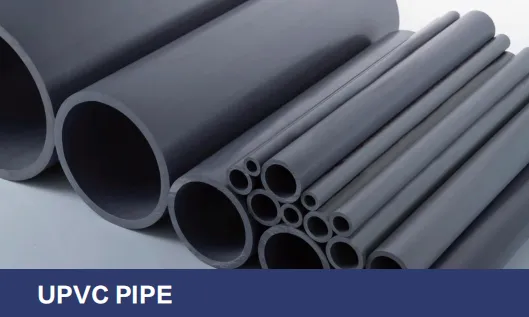
Plumbing renovations—whether in a cozy home, a bustling office, or a busy school—often come with a silent promise of chaos. The thought of torn-down walls, days of noise, and unexpected delays can make even the most excited homeowner or facility manager hesitate. But what if the key to a smoother, less disruptive renovation wasn't just about hiring the best contractor? What if it started with choosing the right UPVC pipe supplier—one that doesn't just deliver products, but partners with you to turn "renovation stress" into "renovation success"?
When we talk about "disruptions" in plumbing renovations, we're not just talking about a few days of inconvenience. For homeowners, it might mean eating takeout for weeks because the kitchen is unusable, or moving into a hotel because the bathroom is out of commission. For businesses like restaurants or hospitals, every day of delay can mean lost revenue or compromised patient care. Even schools, renovating during summer breaks, can't afford setbacks—delays could push work into the school year, disrupting classes and student safety.
The root of many of these disruptions? A disconnect between what's needed and what's supplied. Imagine ordering pipes that are too short, or made of material that corroded faster than expected, or waiting days for a delivery that never arrives. Suddenly, your "quick fix" becomes a logistical nightmare. This is where a trusted UPVC pipe supplier steps in—not just as a vendor, but as a problem-solver.
Before we dive into how a supplier minimizes disruptions, let's talk about why UPVC (Unplasticized Polyvinyl Chloride) has become the go-to material for modern plumbing renovations. Unlike older materials like galvanized steel or even some plastics, UPVC brings a unique set of advantages that directly address renovation stress:
But UPVC isn't the only player in the game. A top supplier knows that renovations often require more than one type of pipe. That's why many leading UPVC pipe suppliers also offer complementary solutions like PVC DWV (Drain-Waste-Vent) pipes for waste systems and PPR (Polypropylene Random Copolymer) pipes for hot water lines. Having all these options under one roof? That's where the magic of minimal disruption really begins.
A renovation isn't a one-pipe-fits-all scenario. Your kitchen might need UPVC for cold water lines, but your bathroom's hot water system could benefit from PPR pipes, which handle higher temperatures better. And your drains? They'll need PVC DWV pipes, designed to carry waste and vent gases safely. Coordinating these different materials from multiple suppliers is a recipe for mix-ups, delays, and increased stress.
This is why the best UPVC pipe suppliers don't stop at UPVC. They're also a PVC DWV pipe supplier and a PPR pipe and fitting supplier, offering a full suite of plumbing solutions. For example, when a local hospital in Jeddah was renovating its pediatric ward, the supplier didn't just deliver UPVC pipes—they recommended PPR pipes for the hot water lines (to ensure safety for kids) and PVC DWV pipes for drains (to handle high without clogging). All materials arrived in one shipment, with labels color-coded by area (blue for patient rooms, green for staff areas). The contractor didn't waste time sorting parts, and the hospital saved 15% on logistics costs.
Not sure whether UPVC, PVC DWV, or PPR is right for your project? Here's a quick breakdown to help you (and your supplier) decide:
| Pipe Type | Best For | Key Benefits | Installation Ease | Disruption Level |
|---|---|---|---|---|
| UPVC Pipe | Cold water supply lines, irrigation, non-potable water systems | Corrosion-resistant, affordable, easy to cut and fit | High (solvent cement or push-fit connections) | Low (quick installation, minimal tools needed) |
| PVC DWV Pipe | Drainage, waste, and vent systems (sinks, toilets, showers) | Lightweight, resistant to blockages, designed for vertical/horizontal flow | High (similar to UPVC, with specialized fittings for vents) | Low (pre-cut lengths available to reduce on-site cutting) |
| PPR Pipe and Fitting | Hot water supply lines (kitchens, bathrooms, hospitals) | Heat-resistant (up to 95°C), flexible, ideal for drinking water | Medium (requires heat fusion tools, but still faster than copper) | Medium (slightly more tools needed, but still quicker than metal pipes) |
A good supplier will walk you through this table, asking questions like: "Is this for a home or a hospital?" "Do you need pipes that can handle hot water?" "How soon do you need it done?" Their job isn't just to sell you a product—it's to make sure you're buying the right product.
So, what exactly does a top-tier UPVC pipe supplier do to turn your renovation from a headache into a breeze? Let's break it down:
A supplier who just takes your order and hangs up is a supplier who's setting you up for failure. The best ones start with a conversation: "What's the size of your space?" "How old is your current plumbing?" "Do you have any specific deadlines?" For a restaurant owner renovating their kitchen, this might mean the supplier realizes the kitchen can't be offline for more than 5 days—and recommends pre-cut UPVC pipes and a same-day delivery to keep work on track.
Not everyone knows the difference between SCH4O and SCH80 pressure ratings, or why a PPR pipe is better for a hospital's hot water system than a PVC one. A great supplier does. They'll send a technical rep to your site to assess your needs, answer your contractor's questions, and even provide installation guides. For the Jeddah hospital, this meant the contractor avoided a costly mistake: using the wrong adhesive for PPR pipes, which could have led to leaks down the line.
There's nothing worse than having your contractor show up, ready to work, only to find the pipes haven't arrived. Leading suppliers use advanced logistics systems to track inventory and deliveries in real time. They'll even coordinate with your contractor to schedule drop-offs during off-hours (like early mornings or weekends) to avoid disrupting your daily life or business operations. Maria's supplier delivered her UPVC and PPR pipes on a Saturday, so the crew could start work first thing Monday—no waiting, no wasted labor costs.
What if a pipe arrives damaged? Or a fitting is the wrong size? A reliable supplier doesn't leave you hanging. They offer warranties, quick replacements, and follow-up support to ensure the installation goes smoothly. For a school in Riyadh that discovered a batch of PVC DWV pipes had a manufacturing defect, the supplier replaced the entire order within 48 hours—no extra cost, no delay to the renovation timeline.
Every renovation is unique, but some challenges pop up again and again. Here's how a proactive UPVC pipe supplier addresses them:
At the end of the day, plumbing renovations are about improving your space—whether that's a home where you make memories, a school where kids learn, or a hospital where lives are saved. They shouldn't be about stress, delays, or regret. The right UPVC pipe supplier understands this. They don't just sell pipes—they sell peace of mind, by ensuring quality products, expert guidance, and timely support that turns "I'm dreading this" into "I can't wait to see the finished result."
So, if you're gearing up for a plumbing renovation, remember: the secret to minimizing disruptions isn't just about hiring a good contractor. It's about partnering with a supplier who listens, understands, and has your back—from the first phone call to the final turn of the faucet. After all, your home, business, or school deserves a renovation that's as smooth as the UPVC pipes carrying water through it.
Recommend Products












