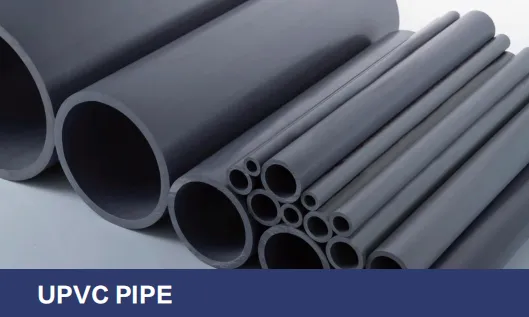
At first glance, UPVC might look similar to standard PVC, but the "unplasticized" part makes all the difference. By removing the plasticizers that make PVC flexible, UPVC gains superior rigidity, strength, and chemical resistance—qualities that make it ideal for industrial settings. But what exactly sets UPVC pipes apart? Let's break it down:
1. Built to Last: Durability That Defies the Elements
Imagine a pipe that can withstand years of exposure to harsh chemicals, extreme temperatures (from -10°C to 60°C in most cases), and constant pressure without showing signs of wear. That's UPVC. Unlike metal, it doesn't rust, corrode, or develop scale buildup. We've worked with clients in the chemical industry who've had UPVC pipes in service for over 20 years—still performing like new. Compare that to steel pipes, which often need replacement after 10–15 years, and the value becomes clear.
2. Lightweight, but Not Light on Strength
One of the biggest headaches with metal pipes is their weight. Installing a 20-foot steel pipe requires heavy machinery and extra labor, driving up costs and project timelines. UPVC pipes, by contrast, are 70% lighter than steel and 30% lighter than copper. This makes them easy to transport, handle, and install—even in tight spaces like ceiling cavities or underground trenches. We recently helped a brewery install a new wastewater line; their team of two finished the job in a day, whereas a steel pipe would have taken three days and a crane. The savings in time and labor? Significant.
3. Chemical Resistance: A Shield Against Corrosion
In industrial settings, pipes often carry fluids that would destroy lesser materials. Take a fertilizer plant, for example—ammonia and nitrogen-based chemicals are part of daily operations. A steel pipe in that environment would start corroding within months, leading to leaks and contamination risks. UPVC, however, is inert to most acids, alkalis, salts, and organic solvents. We once supplied UPVC pipes to a pharmaceutical facility that handles concentrated sulfuric acid; after five years, inspections showed zero signs of degradation. That's the kind of reliability industrial managers dream of.
4. Smooth Flow, Lower Energy Costs
The inner surface of UPVC pipes is incredibly smooth—smoother than steel, copper, or even concrete. This might seem like a small detail, but it has a big impact: less friction means fluids flow more easily, reducing the load on pumps and lowering energy consumption. A food processing client we worked with reported a 12% drop in their monthly energy bill after switching from galvanized steel to UPVC pipes for their water circulation system. Over time, those savings add up to thousands of dollars.
5. Low Maintenance, High Peace of Mind
Let's be honest: No one wants to spend their days fixing plumbing. Metal pipes require regular inspections, painting, and repairs to prevent corrosion. UPVC? It's practically maintenance-free. No painting, no rust removal, no scaling. A quick visual check every few years is usually enough. We had a manufacturing client tell us, "Since we switched to UPVC, I haven't had to call a plumber once. It's like the pipes disappeared—and that's a good thing."