
Navigating the nuances of material compatibility to build reliable, long-lasting HVAC systems
When it comes to HVAC systems, the unsung heroes are often the pipes that quietly carry water, refrigerants, and other fluids to keep our homes cool in summer, warm in winter, and our workplaces comfortable year-round. Yet, for all their importance, these pipes are frequently overlooked—until a leak, corrosion, or system failure brings operations to a halt. That's where choosing the right piping material, and partnering with a trusted supplier, becomes critical. As a leading UPVC pipe supplier , we've spent years helping contractors, engineers, and project managers navigate the complex world of material compatibility. In this guide, we'll break down why UPVC (Unplasticized Polyvinyl Chloride) has become a go-to choice for HVAC systems, how to ensure it works harmoniously with your system's fluids and conditions, and when to consider alternatives like PPR or PEX—because even the best UPVC pipe solutions aren't a one-size-fits-all fix.
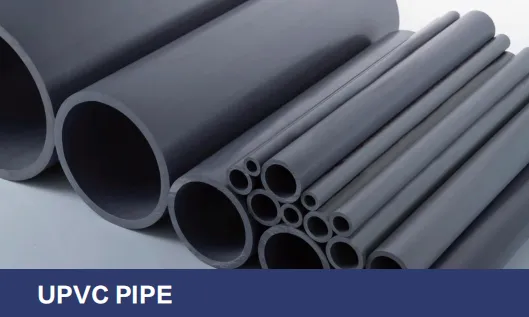
Before diving into compatibility, let's start with the basics: What makes UPVC stand out in the crowded world of HVAC piping? Unlike regular PVC, which is plasticized for flexibility, UPVC is rigid, strong, and free of plasticizers—chemicals that can leach over time and compromise system integrity. This rigidity gives UPVC excellent pressure-bearing capabilities, while its smooth inner surface minimizes friction, reducing energy costs by allowing fluids to flow more efficiently. It's also inherently resistant to corrosion, a common downfall of metal pipes in humid or chemically treated HVAC environments.
But UPVC's real superpower? Cost-effectiveness. Compared to copper or stainless steel, UPVC pipes are significantly cheaper to manufacture, transport, and install—making them a favorite for large-scale projects like commercial buildings, schools, and hospitals. And when sourced from a reputable UPVC pipe supplier , they come with consistent quality controls, ensuring every batch meets industry standards for strength and durability.
Of course, no material is perfect. UPVC has limitations, particularly when it comes to high temperatures and certain chemicals. That's why compatibility isn't just about choosing UPVC—it's about choosing the right UPVC for your specific system. Let's explore what that means.
Material compatibility might sound technical, but at its core, it's simple: Will your piping material play nice with the fluids it carries, the temperatures it's exposed to, and the environment it's installed in? For HVAC systems, this means considering three key factors: chemical resistance, temperature tolerance, and pressure handling. Ignore any of these, and even the sturdiest UPVC pipe solutions can degrade, crack, or fail—leading to costly repairs, downtime, and even safety risks.
Let's break it down:
The takeaway? Compatibility isn't a checkbox—it's a careful balancing act. To get it right, you need to map your system's specific conditions (fluids, temperatures, pressures) to the capabilities of your piping material. And that's where partnering with a knowledgeable UPVC pipe supplier becomes invaluable: they can help you analyze your system and recommend the right material, whether it's UPVC or an alternative like PPR or PEX.
Let's get practical. HVAC systems move more than just water—they handle a range of fluids, each with its own compatibility profile. Below, we'll explore the most common ones and how UPVC holds up.
Water is the lifeblood of most HVAC systems, used for cooling (chilled water) and heating (hot water). For chilled water systems (typically 4–12°C / 39–54°F), UPVC is an excellent choice. Its corrosion resistance means it won't rust or develop scale, ensuring consistent flow rates over time. And because chilled water stays well below UPVC's temperature limit, pressure ratings remain stable.
Hot water is trickier. Standard UPVC can handle water up to 60°C (140°F), which is fine for low-temperature hot water systems (LTHW) common in residential buildings. But high-temperature hot water systems (HTHW), often used in large commercial or industrial settings, can reach 80–120°C (176–248°F)—well above UPVC's limit. In these cases, a PPR pipe and fitting supplier might be a better partner: PPR can handle temperatures up to 95°C (203°F) continuously and 110°C (230°F) intermittently, making it ideal for HTHW applications.
Refrigerants like R-410A, R-32, or ammonia are used in HVAC chillers and air conditioning units. While UPVC is compatible with most synthetic refrigerants, it's important to check the refrigerant's specific properties. For example, ammonia—a common industrial refrigerant—is highly corrosive to copper but relatively safe for UPVC. However, some older refrigerants (like R-22, now phased out in many regions) contain chlorine, which can react with UPVC over time.
For refrigerant lines, flexibility is often key, as vibrations from compressors can stress rigid pipes. Here, PEX (Cross-Linked Polyethylene) is a popular alternative. PEX pipes are flexible, resistant to freezing, and compatible with most modern refrigerants. If your system requires PEX, partnering with a reliable PEX pipe and fitting supplier ensures you get pipes that meet industry standards for refrigerant compatibility.
HVAC systems need regular cleaning to prevent mold, algae, and bacterial growth. Common cleaning agents include hydrogen peroxide, bleach, and citric acid-based solutions. UPVC is generally resistant to these mild chemicals, but prolonged exposure to high concentrations (e.g., bleach above 10%) can cause discoloration or weakening of the material.
Additives like antifreeze (propylene glycol) or biocides are also used to protect systems in cold climates or humid environments. UPVC is compatible with most propylene glycol solutions (up to 50% concentration), but ethylene glycol—though less common in HVAC—can be more aggressive. Always check the additive manufacturer's recommendations, and consult your UPVC pipe supplier if you're unsure.
We've touched on temperature and pressure individually, but their relationship is what really matters for system safety. UPVC's pressure rating isn't a fixed number—it's a curve that decreases as temperature rises. For example, a 1-inch UPVC pipe with a pressure rating of 16 bar at 20°C (68°F) might only handle 6 bar at 60°C (140°F). This is because heat causes the polymer chains in UPVC to vibrate more, reducing the material's stiffness and load-bearing capacity.
| Piping Material | Max Continuous Temp (°C) | Pressure Rating at 20°C (bar) | Pressure Rating at Max Temp (bar) | Best For |
|---|---|---|---|---|
| UPVC | 60°C (140°F) | 10–16 bar | 4–6 bar | Chilled water, LTHW, low-pressure systems |
| PPR | 95°C (203°F) | 10–25 bar | 6–10 bar | HTHW, hot water recirculation, food-grade systems |
| PEX | 95°C (203°F) | 10–16 bar | 4–6 bar | Refrigerant lines, radiant heating, flexible installations |
| CPVC | 93°C (200°F) | 10–20 bar | 5–8 bar | High-temperature, corrosive environments |
For HVAC designers, this means sizing pipes not just for flow rate, but for the highest expected temperature and pressure. A system with occasional temperature spikes (e.g., during startup) might need a higher safety margin. And if your system regularly operates near UPVC's limits, it's worth consulting with your UPVC pipe supplier about thicker-walled pipes or considering a material with a higher temperature tolerance, like PPR or CPVC.
Even the most compatible UPVC pipes can fail if installed incorrectly. Here are key tips to ensure your system performs as expected:
UPVC pipes are joined using solvent cement, which melts the pipe and fitting surfaces, creating a strong bond as it dries. But not all cements are created equal: use only cement labeled for UPVC, and follow the manufacturer's instructions for application (e.g., drying time, temperature conditions). A reputable UPVC pipe supplier will often recommend specific cements that work best with their products.
UPVC is rigid, but it's not unbreakable. Over-tightening clamps or hangers can create stress points, leading to cracks over time. Use pipe supports spaced according to the pipe diameter (typically every 1–1.5 meters for 1-inch pipes) and avoid hanging heavy objects from the piping.
While UPVC is UV-resistant for short periods, prolonged exposure to sunlight can cause it to degrade (a process called "photo-oxidation"). If pipes are installed outdoors, paint them with a UV-stabilized paint or wrap them in insulation. Indoor pipes near windows should also be shielded.
Debris or solvent residue left in the pipes can clog filters or damage HVAC components. After installation, flush the system with clean water at low pressure to remove any contaminants.
To illustrate how material compatibility works in practice, let's look at two case studies where UPVC (and its alternatives) made all the difference.
A 20-story office building in Dubai needed a chilled water system to combat the city's scorching summers. The HVAC contractor initially considered copper pipes but was concerned about corrosion in the humid environment and the high cost of installation. After consulting with a UPVC pipe supplier , they opted for UPVC pipes with a 10-bar pressure rating (well within the system's 6-bar operating pressure) and solvent-welded joints.
Result: The system has been operational for 5 years with zero leaks or corrosion issues. The client saved 40% on material costs compared to copper, and installation time was cut by 30% due to UPVC's lightweight design. The only modification? Adding UV protection to pipes in the building's atrium, which receives direct sunlight.
A new hospital in Riyadh required a hot water system for patient rooms and surgical suites, with water temperatures reaching 80°C (176°F). The initial plan was to use UPVC, but during a compatibility review, the project engineer noted that 80°C exceeds UPVC's temperature limit. Instead, they partnered with a PPR pipe and fitting supplier to install PPR pipes, which can handle 80°C continuously.
Result: The PPR system has maintained consistent pressure and flow rates, even during peak demand. The hospital also appreciated PPR's smooth inner surface, which reduces bacterial growth—critical for healthcare environments. While PPR was slightly more expensive than UPVC, the long-term reliability justified the investment.
UPVC is a versatile, cost-effective choice for many HVAC systems, offering excellent corrosion resistance, smooth flow, and easy installation. But its success depends on one thing: compatibility with your system's specific conditions. Whether you're working with chilled water, hot water, refrigerants, or chemicals, taking the time to match the material to the environment will save you from costly failures down the line.
And remember, you don't have to go it alone. A trusted UPVC pipe supplier can provide technical data sheets, compatibility charts, and even on-site support to help you make the right choice. In cases where UPVC isn't the best fit—like high-temperature hot water systems—they can also connect you with reputable PPR pipe and fitting supplier or PEX pipe and fitting supplier partners, ensuring you get the right material for the job.
At the end of the day, the goal is simple: a reliable HVAC system that keeps people comfortable, safe, and productive. With the right materials and a knowledgeable supplier by your side, that goal is well within reach.
Recommend Products












