
Stepping into a sleek, 40-story apartment building, you're greeted by a lobby with shimmering marble floors, elevators that glide silently to your floor, and a view from your window that makes every morning feel like a celebration. But what if, halfway through your morning shower, the water suddenly turns cold? Or worse, a strange dripping sound from the ceiling reveals a leak that's stained your brand-new sofa. These moments aren't just annoying—they're red flags that the building's plumbing system might be struggling to handle the unique challenges of vertical living. In high-rise structures, where water has to travel up dozens of floors and down again, the choice of plumbing materials and the reliability of your supplier can make or break the comfort, safety, and longevity of the building. That's where a trusted UPVC pipe supplier comes in, offering vertical plumbing solutions designed to tackle the pressure, noise, and wear-and-tear that come with life hundreds of feet above the ground.
High-rise buildings are marvels of modern engineering, but their plumbing systems face a set of challenges you won't find in low-rise structures. Let's start with water pressure—imagine pumping water up to the 50th floor. That requires powerful pumps, but those pumps also create intense pressure on the pipes serving lower floors. Too much pressure, and pipes can crack; too little, and the 50th floor gets a trickle instead of a shower. Then there's noise: when water rushes through narrow pipes from the top to the bottom of the building, it can sound like a waterfall in your walls, turning a peaceful evening at home into a frustrating experience. Add to that the constant wear of daily use, exposure to chemicals in water, and the need to resist corrosion, and it's clear: high-rise plumbing needs materials that don't just "work"—they need to endure .
And let's not forget safety. In a building with hundreds of residents, a single pipe leak can lead to mold growth, structural damage, or even electrical hazards. Fire safety is another concern—some plumbing materials are highly flammable, putting lives at risk in an emergency. Then there's installation: high-rise construction sites are tight spaces, with limited room to maneuver heavy materials. Pipes that are too heavy or too rigid can slow down construction, driving up costs and delaying move-ins. For developers and contractors, these challenges boil down to one question: which material can handle all of this, without breaking the bank?
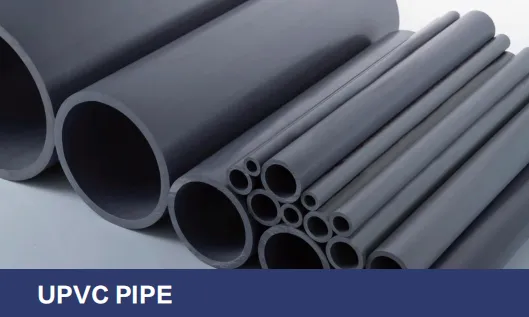
Enter UPVC—short for Unplasticized Polyvinyl Chloride. If you're not familiar with the term, think of it as the "strong, silent type" of plumbing materials. Unlike regular PVC, which is plasticized to be flexible (you might know it from garden hoses), UPVC is rigid, dense, and built to withstand pressure. It's been around for decades, but in high-rise construction, it's quickly becoming the go-to choice for vertical plumbing systems. Why? Let's break down its superpowers.
Remember that 50th-floor water pressure problem? UPVC pipes laugh in the face of it. Thanks to their thick, rigid walls, they can handle pressures up to 20 bar (that's about 290 psi, for reference)—more than enough for even the tallest buildings. This means no more cracked pipes on lower floors or weak water flow on upper ones. A quality UPVC pipe supplier will even customize wall thickness based on the building's height, ensuring each section of the vertical system is tailored to the pressure it will face.
Ever stayed in a hotel and heard the shower from the room above? That's usually metal pipes, which amplify water flow noise. UPVC, on the other hand, has a smooth inner surface that reduces friction—so water glides through quietly. Some suppliers even offer specialized UPVC pipes with foam insulation layers, cutting noise down to a whisper. For residents, that means peaceful nights and stress-free mornings, no matter how many people are using the water at once.
Water isn't just H2O—it's full of minerals, chemicals, and even bacteria that can eat away at metal pipes over time. Copper pipes develop pinholes; steel pipes rust. UPVC? It's impervious to corrosion. Whether the water is hard, soft, or treated with chlorine, UPVC pipes won't rust, pit, or degrade. That translates to a longer lifespan—we're talking 50+ years with proper installation. For building owners, that's decades of fewer repairs and lower maintenance costs.
Imagine hauling heavy metal pipes up a narrow construction elevator. Not fun. UPVC pipes are lightweight—about a third the weight of copper—making them easy to carry, lift, and maneuver in tight spaces. They're also simple to cut and join: no welding torches or specialized tools required. Most UPVC joints use solvent cement, which creates a permanent, leak-proof bond in minutes. This speeds up installation, reduces labor costs, and gets the building ready for residents faster.
So, you've decided UPVC is the way to go. Now what? Choosing the right UPVC pipe supplier isn't just about buying a product—it's about partnering with a team that understands high-rise plumbing inside out. Here's what to look for:
A reputable UPVC pipe supplier doesn't just sell pipes off the shelf. They start with raw material testing, ensuring the PVC resin is pure and free from contaminants that could weaken the pipes. During manufacturing, they monitor extrusion temperatures and wall thickness to make sure every pipe meets industry standards (look for certifications like ISO 9001 or ASTM). Some suppliers even test random samples by subjecting them to extreme pressure or temperature changes to simulate decades of use. For example, one leading supplier in Saudi Arabia runs 10,000-hour pressure tests on their UPVC pipes—equivalent to 50 years of normal use—to guarantee reliability.
High-rise plumbing isn't one-size-fits-all. You might need small-diameter pipes for residential units, larger pipes for main water lines, and specialized fittings for corners or junctions. A top UPVC pipe supplier will offer a full range of sizes (from 16mm to 630mm), pressure ratings, and fittings (elbows, tees, valves, reducers) to cover every part of the vertical system. Some even provide custom solutions, like pre-insulated pipes for noise reduction or color-coded pipes for easy identification during installation.
Installing vertical plumbing in a high-rise is a puzzle, and your supplier should be able to help you solve it. Look for a team with in-house engineers who can assist with system design—calculating pressure requirements, recommending pipe sizes for each floor, and even suggesting installation best practices. For example, if your building has a mix of residential and commercial spaces (like a hotel with a restaurant on the ground floor), they can advise on how to balance water pressure between high-demand areas and private units. This level of support turns a "supplier" into a "partner," ensuring your plumbing system is efficient, safe, and future-proof.
What if, a year after installation, you notice a leak in a pipe joint? A reliable supplier won't leave you hanging. They'll offer technical support, send a team to inspect the issue, and provide replacement parts if needed. Some even offer warranties of 10–20 years, giving you peace of mind that they stand behind their products. For building managers, this means fewer headaches and more time focusing on resident satisfaction, not plumbing repairs.
You might be wondering: "What about other plumbing materials? Isn't PPR or PVC DWV just as good?" Let's take a closer look. PPR (Polypropylene Random Copolymer) is popular for hot water lines, but it's less rigid than UPVC and can't handle the same high pressures. PVC DWV (Drain, Waste, Vent) pipes are great for gravity-fed systems like drains, but they're not designed for the pressure of vertical water supply lines. To help you see the difference, here's a side-by-side comparison:
| Feature | UPVC Pipes (Vertical Water Supply) | PPR Pipes (Hot Water Lines) | PVC DWV Pipes (Drain/Waste) |
|---|---|---|---|
| Material Type | Rigid, unplasticized PVC | Flexible polypropylene | Plasticized PVC (flexible) |
| Max Pressure Rating | 10–20 bar (suitable for high-rises) | 6–10 bar (better for low-rise or hot water only) | Low pressure (gravity-fed systems only) |
| Temperature Resistance | 0–60°C (ideal for cold water; some variants handle warm water) | -10–95°C (excellent for hot water) | 0–60°C (not for high temps) |
| Corrosion Resistance | Excellent (resists chemicals, minerals, rust) | Good (but can degrade in harsh water conditions) | Good (but not for high-pressure use) |
| Noise Level | Low (smooth inner surface reduces water flow noise) | Moderate (flexible material can amplify noise) | Moderate (used for drains, which are less noisy by nature) |
| Lifespan | 50+ years | 40–50 years | 40+ years |
| Best For | Vertical cold water supply in high-rises, main water lines | Residential hot water lines, low-pressure systems | Drainage, waste, and vent systems (gravity flow) |
As you can see, while PPR and PVC DWV have their uses, UPVC is the clear winner for high-rise vertical water supply systems. It's the only material that balances pressure resistance, durability, noise reduction, and cost-effectiveness—making it the top choice for developers and contractors around the world.
Let's take a look at a real-world example. In downtown Riyadh, a leading developer set out to build a 60-story mixed-use tower with luxury apartments, offices, and a rooftop pool. Early in the planning phase, the team faced a problem: the initial plumbing design called for copper pipes, but the cost was skyrocketing, and contractors warned about the weight and installation time. That's when they turned to a local UPVC pipe supplier specializing in high-rise solutions.
The supplier's engineers worked with the developer to redesign the vertical plumbing system, replacing copper with UPVC pipes rated for 16 bar pressure. They recommended thicker-walled pipes for the lower 20 floors (to handle higher pressure) and standard walls for the upper floors. They also suggested insulated UPVC pipes for the residential units to reduce noise. The result? Installation time dropped by 30%, saving the developer over $500,000 in labor costs. Three years later, the building's property manager reports zero leaks, minimal noise complaints, and maintenance costs 60% lower than similar copper-piped buildings in the area. "We should have gone with UPVC from the start," the developer's project manager told us. "It's been a game-changer for resident satisfaction."
As cities grow taller and urban populations boom, the demand for reliable vertical plumbing solutions will only increase. UPVC pipes are evolving to meet these needs. Suppliers are now developing eco-friendly UPVC made from recycled materials, reducing the carbon footprint of production. Some are even integrating smart technology: UPVC pipes with built-in sensors that detect leaks or pressure drops, sending alerts to building managers before a small issue becomes a big problem. Imagine a system that tells you a pipe on the 35th floor is starting to weaken—you can fix it during a scheduled maintenance window, avoiding a messy emergency.
Sustainability is also a key focus. UPVC is fully recyclable, and modern manufacturing processes use less energy than metal pipe production. For green-building certifications like LEED, choosing UPVC can earn points for reduced environmental impact. As more developers prioritize sustainability, UPVC will become an even more attractive option.
High-rise living is about more than just a great view—it's about comfort, safety, and peace of mind. Behind every successful high-rise building is a plumbing system that works tirelessly, day in and day out, to deliver water where it's needed. UPVC pipes, supplied by a team that understands the unique challenges of vertical plumbing, are the backbone of that system. They handle pressure, reduce noise, resist corrosion, and keep costs in check—all while lasting for decades.
So, whether you're a developer breaking ground on a new tower, a contractor looking to streamline installation, or a building manager aiming to cut maintenance costs, don't overlook the importance of choosing the right UPVC pipe supplier. It's not just a purchase—it's an investment in the future of your building and the satisfaction of everyone who calls it home. After all, in the world of high-rise living, the best plumbing systems are the ones you never notice. And with UPVC, that's exactly what you'll get.
Recommend Products












