
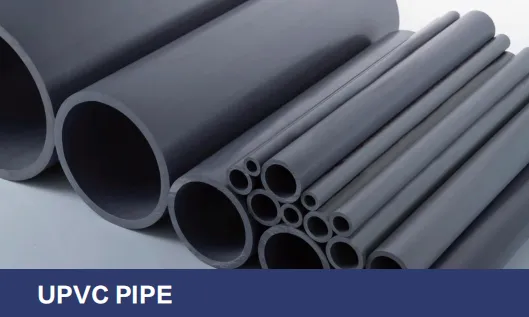
When it comes to building safety, few things are as critical as fire protection. Every year, fires in commercial and residential buildings claim lives, destroy properties, and leave lasting scars on communities. Among the most effective safeguards against such tragedies are fire sprinkler systems—silent sentinels that spring into action at the first sign of heat. But what many people overlook is that these systems are only as reliable as the components that make them work. At the heart of every fire sprinkler system lies a network of pipes, and choosing the right material for these pipes is a decision that directly impacts safety, durability, and compliance. For decades, UPVC (Unplasticized Polyvinyl Chloride) pipes have emerged as a trusted choice, and behind every successful fire sprinkler installation is a dedicated upvc pipe supplier committed to upholding the highest safety standards.
Fire sprinkler systems are more than just an add-on to building design—they are a lifeline. According to the National Fire Protection Association (NFPA), properly installed and maintained sprinkler systems reduce the risk of fire deaths by up to 80% and property damage by as much as 75% in residential buildings. In commercial spaces, the numbers are even more compelling: sprinklers limit fire spread in over 90% of cases, giving occupants critical time to evacuate and firefighters a head start in containing the blaze. But here's the catch: none of these benefits matter if the pipes carrying water to the sprinkler heads fail. Cracks, corrosion, or poor pressure resistance can render the entire system useless when it's needed most. That's why selecting the right pipe material and partnering with a reputable supplier isn't just a business decision—it's a moral one.
UPVC pipes have become a staple in fire sprinkler systems for a simple reason: they check all the boxes for safety, performance, and practicality. Unlike traditional materials like steel or copper, UPVC is inherently resistant to corrosion, a common issue in pipes that carry water over time. Steel pipes, for example, can rust from the inside out, narrowing the diameter and reducing water flow—exactly what you don't want in a fire emergency. Copper, while durable, is prone to pitting and scaling, especially in areas with hard water. UPVC, on the other hand, remains smooth and unobstructed, ensuring consistent water pressure and flow rates even after decades of use.
Another key advantage of UPVC is its lightweight nature. Installing steel pipes often requires heavy machinery and additional structural support, driving up labor and construction costs. UPVC pipes are easy to handle, cut, and join, which speeds up installation and reduces on-site errors. This efficiency is particularly valuable in large-scale projects, such as commercial buildings or residential complexes, where time is of the essence. But perhaps most importantly, UPVC pipes are designed to withstand the demands of fire sprinkler systems. They have excellent pressure resistance—critical for ensuring water reaches sprinkler heads at the required force—and can handle temperature fluctuations without warping or weakening. When properly installed, UPVC pipes provide a reliable, long-term solution that property owners can trust.
A fire sprinkler system isn't just a collection of pipes—it's a complex network of components that work together seamlessly. Elbows, tees, couplings, valves, and adapters all play a role in directing water where it needs to go. That's why partnering with a supplier that offers more than just pipes—one that is also a trusted pipes fittings supplier—can make all the difference. A comprehensive supplier understands that the quality of fittings is just as important as the pipes themselves. Mismatched or low-quality fittings can lead to leaks, pressure loss, or even system failure. By providing both pipes and fittings designed to work in harmony, these suppliers eliminate compatibility issues and ensure that every part of the system meets the same rigorous safety standards.
Take, for example, a high-rise residential building in Riyadh, Saudi Arabia. The local fire code requires sprinkler systems to maintain a minimum pressure of 10 bar to reach the upper floors. A supplier that only provides pipes might overlook the need for specialized fittings—like pressure-reducing valves or reinforced couplings—that ensure water pressure remains consistent throughout the building. But a pipes fittings supplier with expertise in regional compliance would anticipate these needs, offering a complete solution that includes not just the right pipes but also the fittings and accessories required to meet local regulations. This holistic approach saves contractors time, reduces the risk of code violations, and ultimately ensures the system performs as intended when disaster strikes.
For any upvc pipe supplier, compliance isn't just a buzzword—it's the foundation of their reputation. Fire safety regulations vary by region, and in places like Saudi Arabia, where building codes are stringent, suppliers must go above and beyond to ensure their products meet local and international standards. A reputable supplier doesn't just claim compliance; they back it up with certifications, test reports, and a transparent commitment to quality. Let's take a closer look at the key standards that govern UPVC pipes for fire sprinkler systems and how suppliers ensure adherence.
| Standard Name | Key Requirements | Relevance to Fire Sprinkler Systems |
|---|---|---|
| ASTM D1785 | Specifies dimensions, pressure ratings, and material properties for UPVC pipes used in pressure applications. Includes tests for tensile strength, impact resistance, and hydrostatic pressure. | Ensures pipes can withstand the water pressure required for sprinkler systems, even during extended use. |
| DIN 8062 | European standard for UPVC pipes, focusing on dimensions, wall thickness, and pressure classes (PN ratings). Requires compliance with strict quality control during manufacturing. | Commonly referenced in Middle Eastern projects, including Saudi Arabia, to ensure compatibility with regional construction practices. |
| NFPA 13 | National Fire Protection Association standard for the installation of sprinkler systems. Includes guidelines for pipe materials, sizing, and spacing to ensure effective fire suppression. | Defines how UPVC pipes should be integrated into sprinkler systems to maximize fire protection efficiency. |
| SASO (Saudi Standards, Metrology, and Quality Organization) | Regional standards specific to Saudi Arabia, covering everything from material composition to performance in local environmental conditions (e.g., high temperatures, humidity). | Mandatory for any building materials supplier operating in Saudi Arabia, ensuring products are suitable for the local climate and fire safety needs. |
To meet these standards, suppliers invest in rigorous testing. Every batch of UPVC pipes undergoes hydrostatic pressure testing, where samples are subjected to water pressure well above the maximum operating level for an extended period to check for leaks or bursts. They also conduct impact tests to ensure pipes can withstand accidental damage during installation or maintenance. Additionally, reputable suppliers partner with third-party certification bodies to verify compliance, providing customers with independent proof that their products meet or exceed industry requirements. For contractors and building owners, this means peace of mind—knowing that the pipes and fittings they're installing have been thoroughly vetted and are backed by credible certifications.
No two building projects are the same, and fire sprinkler systems are no exception. A small retail store has different needs than a sprawling hospital or a high-rise office building. That's why leading upvc pipe suppliers offer more than just off-the-shelf products—they provide customized upvc pipe solutions designed to meet the unique demands of each project. Whether it's a system that needs to navigate tight spaces, withstand extreme temperatures, or comply with specialized codes (like those for hospitals or schools), these suppliers work closely with clients to develop tailored solutions that balance safety, performance, and cost-effectiveness.
Consider a children's hospital in Jeddah, Saudi Arabia. The facility requires a fire sprinkler system that is not only reliable but also safe for young patients. This means pipes and fittings that are lead-free, easy to clean, and resistant to bacterial growth. A supplier offering upvc pipe solutions would recommend medical-grade UPVC pipes with smooth inner surfaces to prevent contamination, along with fittings that minimize crevices where bacteria could accumulate. They might also provide color-coded pipes to help staff quickly identify the sprinkler system in case of maintenance, reducing the risk of accidental damage. By understanding the specific needs of the project, the supplier transforms a generic product into a solution that enhances both safety and functionality.
The Project: A 10-story commercial mall in downtown Riyadh, featuring retail stores, restaurants, and a cinema. With over 50,000 square meters of floor space and thousands of daily visitors, the mall required a fire sprinkler system that could quickly contain fires in any area, from food courts to clothing stores.
The Challenge: Saudi Arabia's Civil Defense Authority (SCDA) has strict regulations for commercial buildings, including mandatory compliance with SASO standards and NFPA 13. The mall's sprinkler system needed to maintain consistent water pressure across all floors, even during peak demand, and the pipes had to be durable enough to withstand the mall's high humidity and temperature fluctuations.
The Solution: The project contractor partnered with a local upvc pipe supplier with expertise in commercial fire systems. The supplier conducted a detailed assessment of the mall's layout, identifying areas with high fire risk (e.g., the kitchen exhaust systems in restaurants) and recommending customized UPVC pipes with a PN16 pressure rating—suitable for the mall's 12-bar system pressure. They also provided reinforced fittings, including brass-threaded adapters for connection to the main water supply, and pressure-regulating valves to ensure uniform pressure on upper floors.
The Outcome: The system passed SCDA inspection with zero violations. During a post-installation pressure test, the UPVC pipes maintained stable pressure across all floors, and flow tests confirmed that sprinkler heads activated within 30 seconds of heat detection—well within the required standard. The mall opened on schedule, and the supplier's ongoing support, including maintenance training for the mall's facilities team, ensured the system remains compliant and reliable.
In the competitive world of construction, it's tempting to opt for the lowest-cost pipe supplier to stay within budget. But when it comes to fire safety, cutting corners can have devastating consequences. Counterfeit UPVC pipes—often sold at rock-bottom prices—may look similar to genuine products but lack the structural integrity to withstand fire conditions. These pipes can crack under pressure, melt at lower temperatures, or degrade quickly, leaving buildings vulnerable to fire. Even well-intentioned contractors can unknowingly purchase substandard products if they don't vet their suppliers thoroughly.
A reliable upvc pipe supplier doesn't just sell products—they educate clients. They provide detailed product specifications, share test reports, and explain the risks of non-compliant materials. They also offer warranties that back their claims, giving clients confidence that their investment is protected. For example, a supplier might offer a 50-year warranty on pipe durability, contingent on proper installation and maintenance. This level of transparency and accountability is what separates reputable suppliers from those focused solely on profit.
As building codes evolve and fire safety standards become more stringent, the role of UPVC pipes in sprinkler systems will only grow. Innovations in material science are making UPVC even more durable, with new formulations that enhance heat resistance and impact strength. Suppliers are also embracing sustainability, developing UPVC pipes made from recycled materials without compromising performance. In Saudi Arabia, where green building initiatives are gaining momentum, these eco-friendly solutions are becoming increasingly popular among developers looking to reduce their carbon footprint while maintaining safety.
Another trend is the integration of smart technology. Some suppliers are now offering UPVC pipes with embedded sensors that monitor pressure, temperature, and flow rates in real time. These sensors send data to a central system, alerting facility managers to potential issues (like a slow leak or blockage) before they escalate into system failures. While this technology is still emerging, it highlights how upvc pipe suppliers are evolving from product providers to solution partners, leveraging innovation to enhance fire safety.
Fire sprinkler systems are the first line of defense in protecting lives and property from fire, and the pipes that power these systems are too important to leave to chance. UPVC pipes, with their durability, corrosion resistance, and cost-effectiveness, have proven to be a reliable choice for decades. But their performance depends entirely on the supplier behind them—one that prioritizes compliance, quality, and customer support over short-term gains.
Whether you're building a small office, a high-rise residential complex, or a sprawling commercial mall, choosing the right upvc pipe supplier is a decision that impacts not just the success of your project but the safety of everyone who will use the building. It's a partnership built on trust—trust that the pipes and fittings meet every standard, trust that the supplier will stand by their products, and trust that when the unthinkable happens, the system will work. In the end, that trust is priceless.
So, when you're ready to start your next project, ask yourself: Is my supplier just selling pipes, or are they providing solutions that prioritize safety, compliance, and peace of mind? The answer could save lives.
Recommend Products












