
Let's start with a scenario we've all faced (or will face): You're standing in your basement, staring at a corroded metal pipe that's been leaking for weeks. The plumber quoted you a small fortune to replace it, and your neighbor swears they "fixed their own pipes in an afternoon with stuff from the hardware store." You've heard about UPVC pipes —lightweight, affordable, and supposedly "easy to install." But here's the big question: Should you grab a pipe cutter and try it yourself, or bite the bullet and hire a pro? And more importantly, how do you even find a reliable upvc pipe supplier who won't sell you shoddy materials that'll fail in six months?
If you've ever felt torn between DIY and professional installation for home projects, you're not alone. UPVC (unplasticized polyvinyl chloride) pipes have revolutionized plumbing and construction, thanks to their durability, corrosion resistance, and low maintenance. But their popularity has also led to a flood of options—from budget-friendly upvc pipe solutions at big-box stores to specialized suppliers offering custom cuts and technical support. Today, we're breaking down the DIY vs. professional debate, helping you decide which path makes sense for your project, and explaining how to choose an upvc pipe supplier that aligns with your goals.
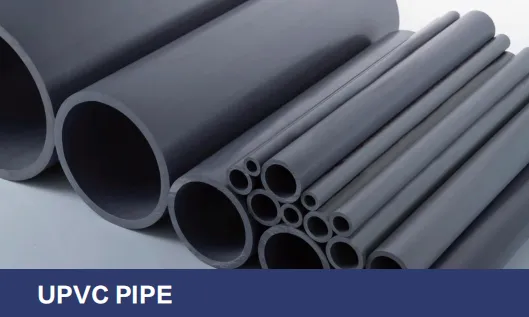
Before we dive into installation methods, let's make sure we're all on the same page about what UPVC pipes are. Unlike regular PVC (which is plasticized and more flexible), UPVC is rigid, strong, and plasticizers, making it ideal for carrying water, waste, and even chemicals. Think of it as the workhorse of modern plumbing: it resists rust, doesn't leach toxins, and handles high pressure better than many traditional materials. No wonder it's the go-to for everything from residential water lines to commercial drainage systems.
One of the most common uses for UPVC is in DWV systems—Drain, Waste, and Vent pipes. These are the pipes that carry wastewater from sinks, showers, and toilets out of your home, and they're critical for preventing backups and odors. If you've ever shopped for these, you've probably come across a pvc dwv pipe supplier —specialists who focus on these specific pipes, which require precise sizing and slope to work effectively. That's where pvc dwv pipe solutions come in: suppliers don't just sell pipes; they offer expertise on which diameter to use for a bathroom vs. a kitchen, or how to angle pipes to avoid clogs.
You might think an upvc pipe supplier is just someone who stocks shelves with pipes of various lengths. But the best suppliers act as partners, especially if you're navigating a tricky installation. Let's say you're renovating an old house with uneven walls—standard pipe lengths might not fit, and a one-size-fits-all approach could lead to leaks. A reputable supplier will offer custom cutting, advise on fitting types (like solvent cement vs. push-fit), and even share tips on local building codes (yes, even DIY projects need to follow these!).
Upvc pipe solutions also extend to specialized applications. For example, if you're installing a rainwater harvesting system, you'll need pipes that can handle UV exposure without cracking. A good supplier will point you to UV-stabilized UPVC options, not just generic pipes. Similarly, pvc dwv pipe suppliers often carry accessories like rubber gaskets and vent caps that are easy to overlook but essential for a leak-free system. The difference between a mediocre supplier and a great one? The great one asks questions: "What's the pipe for?" "How much pressure will it handle?" "Do you need it to be fire-resistant?"
Let's get into the DIY side. The appeal is obvious: save money on labor, learn a new skill, and take pride in saying, "I did that myself." For small, straightforward projects, DIY can absolutely work. Let's outline the pros and cons.
DIY shines for simple tasks: replacing a short section of pipe under the kitchen sink, extending a downspout to redirect rainwater, or installing a new drain line for a utility sink in the garage. These projects typically involve: few connections, easy-to-reach areas, and minimal cutting. If you're handy with tools (or willing to watch a few YouTube tutorials), you can pull this off with basic supplies: a pipe cutter, measuring tape, solvent cement, and a level.
Cost savings are the biggest draw. Hiring a plumber for a small job can cost $150–$300 just for labor, while the pipes and fittings might only set you back $50. For homeowners on a tight budget, that's a no-brainer. Plus, DIY lets you work at your own pace—no waiting for a plumber's schedule, which can be a lifesaver if you're in the middle of a renovation.
But here's the catch: UPVC pipes might seem "easy," but they require precision. A half-inch misalignment in a joint can cause a slow leak that rots your floorboards before you notice. Or, if you're working on a PVC DWV pipe (remember those drainage systems?), too little slope means wastewater won't flow properly, leading to clogs and backups. Even something as simple as applying too much solvent cement can weaken the pipe, or too little can create gaps.
Another DIY pitfall: underestimating complexity. What starts as "replace a sink drain" can quickly escalate if you discover the old pipe is glued to a main line you didn't know existed. Suddenly, you're cutting into walls, rerouting pipes, and violating building codes without realizing it. And if you make a mistake, fixing it often costs more than hiring a pro in the first place. I once helped a friend who tried to DIY a bathroom vanity drain—he used the wrong size pipe, and by the time we noticed the leak, water had seeped into the subfloor. Repairs totaled $800, way more than the $200 a plumber would have charged upfront.
So when is DIY a good idea? Use this quick checklist:
Now, let's talk about hiring a professional plumber. It's pricier, but for many projects, it's worth every penny. Professionals bring experience, tools, and insurance—three things that can save you from headaches (and leaks) down the line.
Professionals thrive on projects that make DIYers sweat: multi-room plumbing overhauls, installations in tight spaces (like between floor joists), or systems that require precise pressure testing (like main water lines). They know how to read blueprints, calculate slope for PVC DWV pipes , and ensure every connection meets code. For example, if you're adding a second bathroom, you'll need to tie into the main sewer line—a job that requires knowing where existing pipes run (to avoid drilling into them!) and how to size the new line to handle extra waste.
Another big advantage: warranties. Most plumbers guarantee their work for 1–5 years, meaning if a leak develops, they'll fix it for free. DIYers don't get that luxury. Professionals also have access to commercial-grade tools, like pipe threaders and infrared leak detectors, that make installations faster and more accurate. Ever tried cutting a pipe in a crawl space with a hacksaw? A pro would use a reciprocating saw and be done in 5 minutes.
Yes, professionals cost more—typically $75–$150 per hour, plus materials. But consider this: a plumber can often source materials at a discount from suppliers they partner with, offsetting some of the labor cost. They also avoid common DIY mistakes, like buying the wrong pipe size (we've all been there: returning a 1.5-inch pipe because it's too small, wasting time and gas). And let's not forget time: a pro can finish a bathroom drain installation in 2 hours; a DIYer might take all weekend.
Some projects should always be left to professionals. These include:
| Factor | DIY Installation | Professional Installation |
|---|---|---|
| Cost | Low upfront ($50–$200 for materials), but potential hidden costs if mistakes occur. | High upfront ($300–$1,000+), but includes labor, expertise, and warranties. |
| Time | Slow (hours to days, depending on skill level). | Fast (hours, thanks to experience and tools). |
| Code Compliance | Up to you to research and follow (risk of fines if not done right). | Professionals know codes and pull permits, ensuring compliance. |
| Quality | Depends on skill (high risk of leaks from poor connections). | Consistent (years of experience mean tight, durable connections). |
| Suitable Projects | Small, simple jobs (sink drains, downspout extensions). | Large, complex jobs (main lines, multi-room systems, DWV overhauls). |
Whether you're going DIY or hiring a pro, the quality of your UPVC pipes (and the supplier behind them) makes or breaks your project. Here's how to pick a winner:
It's tempting to buy the cheapest pipes at the hardware store, but thin-walled or poorly made UPVC can crack under pressure or degrade in sunlight. Ask suppliers about certifications: look for pipes that meet ASTM standards (a global benchmark for material quality) or local standards like SASO in Saudi Arabia. A reputable upvc pipe supplier will happily share test reports or certifications—if they hesitate, walk away.
Even pros need help sometimes. A supplier that offers technical support (via phone, email, or in-person) is invaluable. For example, if you're unsure whether to use UPVC or PPR pipes for a hot water line (PPR is better for high temps), a knowledgeable supplier will explain the differences. Upvc pipe solutions should include this kind of guidance, not just sales pitches.
There's nothing worse than starting a project only to find your supplier is out of the 2-inch pipe you need. Look for suppliers with a wide range of sizes, fittings, and accessories. Pvc dwv pipe suppliers , for instance, should stock everything from 1.25-inch pipes (for small drains) to 4-inch pipes (for main sewer lines), plus couplings, elbows, and cleanout plugs.
Online reviews can tell you a lot: Do customers complain about cracked pipes? Did the supplier deliver on time? For commercial projects, ask the supplier for references from local contractors—if other pros trust them, that's a good sign.
Let's ground this in real life with two stories—one DIY gone wrong, one professional success.
Mike, a homeowner in Texas, decided to install a new laundry room sink in his basement. He bought generic UPVC pipes from a big-box store (not a specialized upvc pipe supplier ) and skipped measuring the slope—he figured "eyeballing it" was good enough. Three months later, the sink drained slowly, and eventually, water backed up onto the floor. A plumber discovered the pipe was angled at 1/8 inch per foot instead of the required 1/4 inch per foot (a key part of pvc dwv pipe solutions ). The fix involved rerouting the pipe, replacing water-damaged flooring, and hiring a pro—costing Mike $1,200 total, vs. $300 if he'd hired a plumber initially.
Lina, a restaurant owner in California, needed to replace old galvanized pipes with UPVC to meet new health codes. She hired a plumber who sourced pipes from a local upvc pipe supplier specializing in commercial upvc pipe solutions . The supplier recommended extra-thick pipes to handle the restaurant's high water pressure and provided custom elbows to navigate tight spaces behind the kitchen. The installation took two days, passed inspection on the first try, and six years later, Lina hasn't had a single leak. "The supplier even checked in a month later to make sure everything was working," she said. "That's service you don't get from a hardware store."
UPVC pipes aren't going anywhere, but they are evolving. Suppliers are now offering "smart" UPVC pipes with built-in leak sensors that connect to your phone, and eco-friendly options made from recycled materials. Upvc pipe solutions are also becoming more specialized—for example, UV-resistant pipes for solar water systems, or fire-rated pipes for hospitals and schools. As technology advances, the line between DIY and professional may blur, but one thing won't change: the importance of a reliable supplier who understands your project's unique needs.
At the end of the day, the choice between DIY and professional UPVC pipe installation comes down to your project's complexity, your skill level, and how much risk you're willing to take. For small, simple jobs, DIY can save money and be rewarding—just make sure you buy quality pipes from a reputable upvc pipe supplier and follow the basics (measure twice, cut once!). For larger projects, or if you're unsure about codes or slope, hiring a pro is worth the investment. They'll get the job done right the first time, and you'll sleep better knowing your pipes won't spring a leak in the middle of the night.
And remember: whether you're swinging a pipe cutter or hiring a plumber, the foundation of a successful project is the pipes themselves. Choose a supplier who offers more than just products—one who provides upvc pipe solutions , expertise, and support. After all, a great pipe is only as good as the person (or pro) who installs it—and the supplier who sold it.
Recommend Products












