
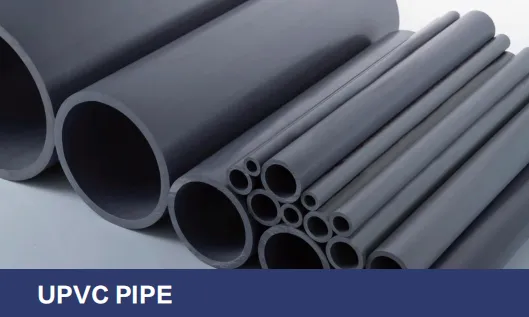
Living by the coast has its perks—breezy mornings, the sound of waves, and sunsets that paint the sky in hues of orange and pink. But for homeowners, business owners, and even municipal planners, coastal life also comes with a hidden challenge: the relentless toll of salt, humidity, and harsh weather on infrastructure. Nowhere is this more evident than in the pipes that keep our homes and buildings running. Leaky pipes, rusted fittings, and frequent replacements can turn the coastal dream into a maintenance nightmare. If you've ever found yourself staring at a corroded metal pipe under the sink or shelling out money for yet another repair, you know exactly what we're talking about. But what if there was a solution that could stand up to the coastal elements, last for decades, and save you from the cycle of constant fixes? Enter UPVC pipes—and the right upvc pipe supplier to make sure you get the job done right.
Coastal environments are tough on just about everything, and pipes are no exception. Let's break down the enemies they face daily. First, there's saltwater—whether it's from direct contact (like in irrigation systems near the beach or drainage pipes that handle stormwater mixed with seawater) or the salt-laden air that drifts in from the ocean. Salt is a natural corrosive; it eats away at metal, causes oxidation, and weakens even the sturdiest materials over time. Then there's humidity. Coastal areas are often damp year-round, creating the perfect breeding ground for mold, mildew, and even marine organisms that can cling to pipe interiors and cause blockages or degradation.
Traditional pipe materials don't stand a chance here. Metal pipes, once the go-to for durability, rust and corrode quickly when exposed to salt. Copper, while better than steel, still develops pinholes over time, leading to leaks. Even standard PVC pipes, which are plastic, can struggle—they're softer, more prone to cracking in extreme temperatures, and not always designed to handle the chemical stress of saltwater. The result? Pipes that need replacing every 5-10 years, costing homeowners and businesses thousands in repairs and lost time. For coastal communities, this isn't just an inconvenience—it's a drain on resources that could be better spent on enjoying the beach, not fixing pipes.
Before we dive into why UPVC is a coastal hero, let's clear up what it is. UPVC stands for "unplasticized polyvinyl chloride." Unlike regular PVC (which has plasticizers added to make it flexible), UPVC is rigid, strong, and the chemicals that can break down over time. Think of it as PVC's tougher, more resilient cousin. It's made by polymerizing vinyl chloride monomers, then forming the material into pipes through a process that ensures uniformity and strength. The result is a pipe that's hard, impact-resistant, and—most importantly for coastal areas—highly resistant to corrosion.
But UPVC isn't new. It's been used in construction and infrastructure for decades, valued for its durability and low maintenance. What makes it a game-changer for coastal areas, though, is how it's engineered to thrive where other materials fail. Let's get into the specifics of its corrosion resistance features—because that's where the magic happens.
UPVC pipes aren't just "resistant" to corrosion—they're practically immune to the coastal elements. Here's why:
Saltwater, salt air, and even the occasional chemical runoff from coastal industries (like marinas or seafood processing plants) are no match for UPVC. The material is inert, meaning it doesn't react with acids, alkalis, or salts. Unlike metal, which oxidizes when it comes into contact with salt, UPVC remains stable. Even after years of exposure to seawater, you won't find rust, pitting, or degradation on the pipe's surface or inside. This chemical stability is a huge win for coastal plumbing systems, where pipes are constantly in contact with harsh substances.
Rust is the bane of metal pipes, and it's a non-issue with UPVC. Since UPVC is plastic, there's no iron to oxidize, no flakes to break off and clog your drains, and no weak spots where leaks can form. This isn't just about longevity—it's about reliability. Imagine never having to worry about a burst pipe because the metal corroded through, or a clogged drain because rust particles broke loose. For coastal homeowners, that peace of mind is priceless.
Coastal areas get plenty of sun, and UV rays can degrade some plastics over time, making them brittle and prone to cracking. Not UPVC. High-quality UPVC pipes are treated with UV stabilizers during manufacturing, which protect them from the sun's harmful rays. Whether the pipes are exposed above ground (like in outdoor irrigation systems or building exteriors) or buried underground, they won't become weak or discolored. This is a big advantage over standard PVC, which can become brittle after prolonged sun exposure.
Corrosion isn't the only problem—buildup can be just as bad. In coastal areas, minerals in saltwater, sediment, and even marine life (like algae or small barnacles) can cling to rough pipe interiors, narrowing the flow and causing blockages. UPVC pipes have an ultra-smooth inner surface that prevents these materials from sticking. Water and waste flow freely, reducing the need for frequent cleaning or snaking. It's a small feature that makes a big difference in long-term maintenance.
Humidity doesn't just make the air feel sticky—it can seep into materials, causing warping, swelling, or mold growth. UPVC is impervious to moisture, so even in the dampest coastal basements or crawl spaces, the pipes won't absorb water or degrade. This is especially important for residential plumbing, where pipes are often hidden behind walls or under floors; you don't want moisture-loving mold to start growing around a pipe that's absorbing water over time.
Still not convinced UPVC is the best choice for coastal areas? Let's compare it to other common pipe materials. The table below breaks down how UPVC stacks up against metal (steel/copper), standard PVC, and PPR (polypropylene random copolymer) in key areas that matter for coastal living.
| Feature | UPVC | Metal (Steel/Copper) | Standard PVC | PPR |
|---|---|---|---|---|
| Corrosion Resistance | Excellent (immune to salt, chemicals) | Poor (rusts in saltwater, prone to pitting) | Good (but not as durable in extreme salt exposure) | Good (but less UV stable than UPVC) |
| Expected Lifespan | 50+ years | 10-20 years (coastal areas) | 15-25 years | 20-30 years |
| Installation Ease | Easy (lightweight, solvent-welded joints) | Hard (heavy, requires welding/fitting tools) | Easy (but less rigid, may sag over time) | Moderate (heat fusion required) |
| Maintenance Needs | Low (no rust, minimal buildup) | High (regular inspections, rust removal) | Moderate (may need replacement in UV exposure) | Moderate (can develop leaks at joints over time) |
| Cost (Long-Term) | Cost-effective (high upfront, low lifecycle costs) | Expensive (low upfront, high replacement/repairs) | Cheap upfront, but costly to replace early | Mid-range, but shorter lifespan than UPVC |
The verdict? UPVC outperforms the competition in just about every category that matters for coastal areas. Its 50+ year lifespan, combined with low maintenance and resistance to salt and humidity, makes it the clear choice for anyone tired of replacing pipes.
Okay, so you're sold on UPVC—but now what? To get the most out of your investment, you need more than just a box of pipes. You need a reliable upvc pipe supplier who understands coastal needs and can provide the full package: quality products, expert advice, and pipes fittings and solutions. Here's what to look for:
Not all coastal pipe needs are the same. A homeowner might need plumbing pipes for their kitchen and bathroom, while a hotel might require large-diameter drainage pipes for their parking lot. The best upvc pipe suppliers offer a variety of sizes, pressure ratings, and types (like UPVC pressure pipes for water supply and UPVC DWV pipes for drainage) to fit every application. They should also provide upvc pipe solutions tailored to coastal conditions—like UV-stabilized pipes for outdoor use or heavy-duty options for areas with high salt exposure.
Pipes are only as good as the fittings that connect them. A leaky joint can undo all the benefits of UPVC, so you need a supplier who also offers high-quality pipes fittings. Look for a pipes fittings supplier that provides UPVC elbows, tees, couplings, and flange adapters—all made from the same durable UPVC material as the pipes. And don't forget valves: a plastic valve system supplier that offers UPVC ball valves, gate valves, or check valves can ensure your entire system is corrosion-resistant from start to finish. Mixing materials (like metal valves with UPVC pipes) is a recipe for disaster in coastal areas, so stick with a supplier who offers a complete plastic system.
Coastal environments are unforgiving, so you can't cut corners on quality. A reputable UPVC pipe supplier should have certifications from recognized bodies (like ISO, ASTM, or local standards organizations) to prove their pipes meet industry standards for strength, chemical resistance, and durability. Ask to see test reports—reputable suppliers will be happy to share them. This isn't just about compliance; it's about knowing your pipes will actually last as long as they claim.
Installing pipes in a coastal area isn't the same as installing them inland. You might need advice on burial depth to avoid saltwater intrusion, or which pipe size is best for high-humidity drainage. The best suppliers don't just sell you products—they offer technical support. Whether it's helping you choose the right pressure rating for your water supply or recommend fittings for a seawater irrigation system, a supplier with coastal expertise can save you from costly mistakes.
UPVC pipes aren't just for homes—they're versatile enough to handle all kinds of coastal projects. Let's look at a few real-world examples of how the right upvc pipe supplier and solutions can make a difference:
Imagine a beachfront home with a plumbing system that's 20 years old. The original copper pipes have started leaking, and the homeowner is tired of calling a plumber every few months. A local upvc pipe supplier steps in, replaces the old copper with UPVC pipes and fittings, and adds plastic valves for easy shutoff. Ten years later, the homeowner hasn't had a single leak. The pipes are still in perfect condition, even though they're exposed to salt air and occasional flooding from storms. That's the power of UPVC in residential settings.
Coastal hotels have unique pipe needs—they need to supply water to dozens of rooms, handle large volumes of wastewater, and often have outdoor areas like pools and irrigation systems. A luxury beach resort in Saudi Arabia recently switched to UPVC pipes for their entire property, working with a upvc pipe supplier to install pressure pipes for water supply, DWV pipes for drainage, and fittings that could withstand the high humidity of their spa area. The result? Lower maintenance costs, fewer guest complaints about leaks, and a system that's projected to last 50+ years—perfect for a business that plans to be around for the long haul.
Municipalities also benefit from UPVC. Coastal cities often struggle with stormwater drainage, especially during hurricane season. UPVC pipes are lightweight and easy to install, making them ideal for large-scale projects like drainage ditches or seawall drainage systems. A small coastal town in Florida recently used UPVC pipes to replace aging metal drains along their boardwalk. The new pipes are resistant to saltwater, so they won't corrode, and their smooth inner surface prevents sand and debris from clogging—meaning fewer backups during storms.
We've focused a lot on corrosion resistance, but UPVC has plenty of other benefits that make it worth considering. Let's quickly cover a few:
UPVC pipes might cost a bit more upfront than standard PVC or metal, but their long lifespan and low maintenance make them cheaper over time. Think about it: replacing metal pipes every 10 years costs far more than installing UPVC once and forgetting about it for 50.
UPVC pipes are much lighter than metal, which means easier transport and installation. You won't need heavy machinery or a crew of workers to carry them—even a single person can handle smaller pipes. This saves time and labor costs, especially for DIY homeowners or small contractors.
UPVC is recyclable, and its long lifespan means less waste in landfills from frequent replacements. It also requires less energy to produce than metal pipes, making it a greener choice for environmentally conscious coastal communities.
Ever noticed how metal pipes make a loud banging noise when you turn on the tap? UPVC pipes are quieter, thanks to their smooth inner surface and shock-absorbing properties. This is a small but nice bonus for homes and hotels where peace and quiet are important.
Even with all these benefits, some people still have doubts about UPVC. Let's debunk a few myths:
Fact: While UPVC is rigid, it's also surprisingly impact-resistant. High-quality UPVC pipes can withstand temperatures as low as -10°C (14°F) without cracking, making them suitable for coastal areas with mild winters. In areas with freezing temperatures, proper insulation (which you should do for any pipe) will keep them safe.
Fact: UPVC pressure pipes are designed to handle high water pressure—up to 16 bar or more, depending on the size and class. They're commonly used in municipal water supply systems, which require reliable pressure over long distances. Just make sure to choose the right pressure rating for your needs (your upvc pipe supplier can help with that).
Fact: As we mentioned earlier, UPVC is recyclable, and its long lifespan reduces waste. Unlike some plastics, it doesn't contain phthalates or BPA, making it safe for drinking water systems. When installed properly, it has a minimal environmental footprint.
Coastal living should be about enjoying the ocean, not worrying about your pipes. UPVC pipes, with their unbeatable corrosion resistance, durability, and low maintenance, offer a solution that can handle the harshest coastal conditions. But to get the most out of them, you need the right partner: a reliable upvc pipe supplier who offers quality products, pipes fittings, and the expertise to guide you through every step. Whether you're building a new home, renovating a hotel, or upgrading municipal infrastructure, UPVC is an investment that pays off in peace of mind, savings, and decades of trouble-free performance.
So, the next time you're faced with a corroded pipe or planning a coastal project, remember: UPVC isn't just a pipe—it's a way to enjoy the coast without the hassle. Find your upvc pipe supplier today, and start building a system that lasts as long as your love for the ocean.
Recommend Products












