
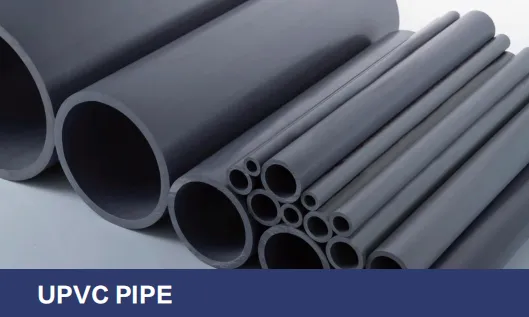
Choosing the right building materials is a critical step in any construction or renovation project—and when it comes to piping, the stakes are even higher. Whether you're a contractor working on a commercial complex, a homeowner revamping your plumbing, or an architect designing a hospital or school, finding a reliable UPVC pipe supplier can feel overwhelming. With so many options and technical terms thrown around, it's easy to feel lost. That's why we've put together this guide: to answer your most pressing questions, demystify UPVC pipes, and help you make confident decisions for your project. Let's dive in.
If you've ever stood in a hardware store staring at rows of pipes, you've probably wondered, "What's the difference between PVC and UPVC?" Let's break it down simply: UPVC stands for unplasticized polyvinyl chloride . Unlike regular PVC (which can contain plasticizers to make it more flexible), UPVC skips the plasticizers, resulting in a rigid, strong material that's built to last. Think of it as the "tougher cousin" of standard PVC—less bendy, but far more resistant to pressure, chemicals, and wear over time.
Why does this matter? Plasticizers in regular PVC can make it prone to brittleness over time, especially when exposed to heat or harsh chemicals. UPVC, on the other hand, retains its shape and strength, making it ideal for applications where durability is non-negotiable—like water supply lines, drainage systems, or industrial piping. When you hear a supplier talk about UPVC pipe solutions , they're referring to this specialized, unplasticized version designed for long-term reliability.
Let's cut to the chase: Why should you choose UPVC pipes over other materials? Here's the short (but comprehensive) list of benefits that make UPVC a top pick for builders, architects, and homeowners alike:
Whether you're working on a small home renovation or a large-scale commercial project, these benefits add up to a piping solution that's reliable, efficient, and budget-friendly. No wonder UPVC pipe suppliers are in high demand across industries!
One of the biggest concerns when choosing pipes is how they'll hold up in your specific environment. Let's take a closer look at how UPVC pipes tackle common challenges:
Extreme Temperatures: UPVC handles both hot and cold surprisingly well. While it's not ideal for boiling water (stick to PPR or PEX for that), it works perfectly for standard hot water systems (up to 60°C/140°F) and can withstand freezing temperatures without cracking—thanks to its flexibility (yes, even rigid UPVC has some give!). This makes it a solid choice for climates ranging from the desert heat of Saudi Arabia (hello, Saudi Arabia building materials supplier needs!) to cooler northern regions.
UV Exposure: Left in direct sunlight for years, some pipes become brittle. UPVC, however, is UV-resistant, making it suitable for above-ground installations like outdoor drainage or irrigation systems. Just ask any supplier specializing in residential building materials —they'll confirm UPVC is a go-to for outdoor projects.
Soil & Chemicals: If you're burying pipes underground, soil composition matters. UPVC resists damage from acidic or alkaline soils, tree roots, and even mild chemicals—unlike metal, which can corrode, or concrete, which can crack. It's also a favorite for industrial settings where pipes might carry detergents, oils, or other non-aggressive chemicals.
In short, UPVC pipes are like the all-terrain vehicles of the piping world—adaptable, tough, and ready to handle whatever your project's environment throws at them.
Not all UPVC pipe suppliers are created equal. To avoid headaches (and costly mistakes), here's what to prioritize when vetting your options:
Certifications That Prove Quality: A trustworthy supplier will have certifications to back their products. Look for ISO 9001 (quality management), ASTM D1785 (standard for UPVC pipes), or local certifications relevant to your region (e.g., SASO for Saudi Arabia). These stamps of approval mean the pipes have been tested for strength, safety, and performance.
A Wide Range of UPVC Pipe Solutions: Your project might need more than just standard pipes—think fittings, valves, or custom sizes. A top supplier will offer a full suite of pipes fittings solutions alongside UPVC pipes, so you can source everything from one place. This saves time and ensures compatibility between parts.
Transparent Quality Testing: Don't be shy to ask: "How do you test your pipes?" Reputable suppliers conduct rigorous checks—pressure testing, impact resistance, and chemical analysis—to ensure every batch meets standards. Some even let you visit their facilities to see the process firsthand.
Customization Options: Not every project fits a "one-size-fits-all" pipe. If you need specific lengths, diameters, or colors, choose a supplier that offers customization. For example, a commercial building materials supplier might need large-diameter UPVC pipes for a mall's water system, while a homeowner might want smaller sizes for a bathroom renovation. The best suppliers adapt to your needs.
After-Sales Support You Can Count On: What happens if you have questions after delivery? A reliable supplier won't disappear once the sale is done. Look for ones that offer technical support, installation guidance, or warranty coverage—because even the best products need a little backup sometimes.
With so many piping materials on the market, it's hard to keep track of which is best for your project. Let's simplify with a side-by-side comparison:
| Material | Flexibility | Max Temperature Resistance | Best For | Cost (Relative) |
|---|---|---|---|---|
| UPVC | Low (rigid, but with slight give) | 60°C (140°F) | Water supply, drainage, industrial piping, underground systems | Moderate (budget-friendly long-term) |
| PPR (Polypropylene Random Copolymer) | Medium (flexible, heat-resistant) | 95°C (203°F) | Hot water systems, radiant heating, residential plumbing | Higher than UPVC |
| PVC DWV (Drain, Waste, Vent) | Low (similar to UPVC, but less pressure-resistant) | 40°C (104°F) | Non-pressurized drainage, vent pipes, sewage | Lower than UPVC (but less durable) |
| PEX (Cross-Linked Polyethylene) | High (extremely flexible, bends easily) | 95°C (203°F) (continuous use) | Residential hot/cold water lines, radiant floor heating | Higher than UPVC (but easy to install) |
So, when should you pick UPVC? For pressure systems (like water supply), durability, or projects where cost-effectiveness and low maintenance are key. If you need extreme heat resistance, PPR or PEX might be better—but for most general applications, UPVC hits the sweet spot.
Absolutely! Residential and commercial projects have different needs, and the best UPVC pipe suppliers tailor their solutions accordingly.
Residential Projects: Think homes, apartments, or small complexes. Here, UPVC pipes are used for drinking water lines, bathroom/kitchen drainage, and even irrigation. Suppliers focusing on residential building materials will offer smaller diameters (16mm to 110mm), easy-to-install fittings, and pipes designed for low to medium pressure. For example, a 20mm UPVC pipe is perfect for a home's water supply, while a 110mm pipe handles main drainage.
Commercial Projects: Malls, hospitals, schools, or factories demand more robust solutions. Commercial-grade UPVC pipes come in larger diameters (up to 630mm) and higher pressure ratings to handle increased water flow and heavier usage. A commercial building materials supplier might also offer specialized fittings for complex systems—like manholes, inspection chambers, or large-diameter valves. For instance, a hospital's plumbing system (which needs to meet strict hygiene standards) would use UPVC pipes for their non-porous, easy-to-clean surfaces.
Some suppliers even offer "one-stop" solutions, catering to both residential and commercial needs. This is a huge plus if you work across project types—no need to switch suppliers for different jobs!
Even the best UPVC pipes can fail if installed incorrectly. Here's a quick guide to getting it right:
Measure Twice, Cut Once: Use a fine-toothed saw to cut pipes straight—crooked cuts lead to poor seals. Deburr the edges with a file to remove sharp bits that could damage the fitting.
Prime & Glue Like a Pro: Solvent cement is the secret to leak-free joints. Apply a thin layer of primer to both the pipe and fitting, wait 10-15 seconds, then apply cement. Push the pipe into the fitting with a twist (to spread the cement evenly) and hold for 30 seconds. Let it cure for 24 hours before testing—patience pays off!
Support the Pipes: Use clips or brackets to secure pipes every 60-90cm (for horizontal runs) or 1.2-1.5m (for vertical runs). This prevents sagging, which can cause blockages or stress on joints.
Avoid Over-Tightening: When connecting fittings, hand-tighten first—over-tightening with tools can crack the pipe or fitting. Remember: UPVC is strong, but it's not indestructible!
And here's a pro tip: Work with your pipes fittings supplier to get compatible parts. Mixing brands or using ill-fitting fittings is a common cause of leaks. When in doubt, ask for installation guides—most reputable suppliers provide them for free.
One of the best things about UPVC pipes? They're low-maintenance—so you can "install and forget" (mostly). But a little care goes a long way:
Regular Inspections: Check above-ground pipes for cracks, loose fittings, or discoloration (though UV resistance means this is rare). For underground pipes, watch for wet spots in the yard or slow drainage—signs of a leak.
Cleaning When Needed: If you notice slow flow, a gentle flush with warm water (avoid harsh chemicals!) should do the trick. For stubborn clogs, use a plunger or a plastic snake—never metal tools, which can scratch the smooth inner surface.
Protect from Physical Damage: Avoid hitting pipes with heavy tools or vehicles (for underground lines). If you're doing yard work, mark pipe locations first to prevent accidental digging.
That's it! No painting, no rust-proofing, no annual check-ups by a pro. Just occasional common-sense care to keep your UPVC pipes flowing smoothly for decades.
In a world where sustainability matters more than ever, you might be wondering: How green are UPVC pipes? The short answer: Pretty green, with a few caveats.
Long Lifespan = Less Waste: UPVC pipes last 50+ years, which means fewer replacements and less material ending up in landfills compared to shorter-lived options (like some metal pipes that corrode in 10-20 years).
Recyclable (When Done Right): UPVC is a type of plastic, so it can be recycled—but not all recycling facilities accept it. Check with your local program, or ask your supplier if they have a take-back scheme for old pipes. Some even repurpose recycled UPVC into new products, closing the loop.
Energy-Efficient Production: Manufacturing UPVC uses less energy than producing metal or concrete pipes, and since it's lightweight, transportation emissions are lower too.
For eco-conscious builders, UPVC is a solid choice—especially when paired with a supplier committed to sustainable practices (look for ones that mention recycling programs or energy-efficient manufacturing).
At the end of the day, choosing UPVC pipes (and the right supplier) is about peace of mind. You're investing in a material that's durable, versatile, and cost-effective—one that will support your project for decades without constant upkeep. Whether you're building a home, a hospital, or a commercial complex, UPVC pipe solutions offer the reliability you need, backed by a material that's stood the test of time.
So, when you're ready to start your project, remember: A great supplier isn't just a vendor—they're a partner. Look for one that answers your questions, offers quality products, and supports you from selection to installation. With the right UPVC pipes and a trusted supplier by your side, you'll build something that lasts.
Recommend Products












