So, what exactly do these suppliers do day in and day out? Let's break down their key functions, each one a critical cog in the construction supply chain machine:
Sourcing and Quality Raw Materials
It all starts with the raw materials. UPVC pipes are only as good as the PVC resin they're made from. Suppliers spend countless hours vetting raw material partners, ensuring the resin is pure, free from contaminants, and meets industry standards. They also source additives like impact modifiers (to make pipes more durable) and UV stabilizers (to prevent degradation in sunlight). For example, a supplier working on a project in a hot, sunny region like Saudi Arabia might add extra UV stabilizers to ensure the pipes don't become brittle over time. This attention to detail at the sourcing stage is what ensures the final product can withstand decades of use.
Manufacturing and Customization (The "Solutions" Part)
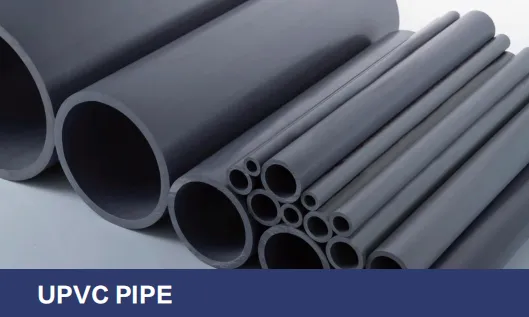
Once the raw materials are secured, suppliers move to manufacturing. Using extrusion machines, they melt the UPVC compound and shape it into pipes of different diameters, lengths, and wall thicknesses. But here's where it gets interesting: construction projects aren't one-size-fits-all. A high-rise apartment might need large-diameter UPVC pressure pipes for water supply, while a small home renovation might require smaller DWV (Drain, Waste, Vent) pipes for sewage. This is where "UPVC pipe solutions" come into play. Suppliers don't just churn out generic pipes—they customize them to fit specific project needs. Need a pipe that can handle high water pressure for a hospital's fire sprinkler system? They'll adjust the wall thickness. Building a residential complex with limited storage space? They'll cut pipes into shorter lengths for easier transport. It's this ability to tailor products that makes suppliers true partners, not just vendors.
Quality Control: Ensuring Pipes Meet the Mark
Imagine installing a pipe system only to have it burst a year later—that's a nightmare for any contractor. UPVC pipe suppliers prevent this by making quality control a top priority. Every batch of pipes undergoes rigorous testing: pressure tests to check for leaks, impact tests to ensure they can withstand being dropped on a construction site, and chemical resistance tests to verify they won't corrode when carrying acidic or alkaline fluids. Many suppliers also adhere to international standards like ASTM D1785 (for pressure pipes) or DIN 8062 (for water supply pipes), and they'll provide certification to prove it. For contractors, this isn't just a "nice-to-have"—it's a requirement to meet building codes and ensure project safety.
Distribution: Getting Pipes to the Site, On Time
What good is a high-quality pipe if it arrives after the construction crew has moved on to the next phase? Suppliers know this, which is why distribution is a cornerstone of their function. They maintain warehouses in strategic locations, stockpiling popular pipe sizes to meet sudden demand. For larger projects, they coordinate with logistics partners to deliver pipes directly to the job site—often using specialized trucks to transport long lengths without bending or damaging them. In regions with challenging terrain or tight deadlines, suppliers might even use GPS tracking to monitor shipments, ensuring contractors know exactly when their pipes will arrive. It's a logistical puzzle, but one that suppliers solve daily to keep construction schedules on track.
Technical Support: More Than Just Selling Pipes
Ever tried installing a pipe and wondered, "Is this the right size?" or "How do I connect it to the existing system?" UPVC pipe suppliers don't leave contractors guessing. Many offer technical support teams—engineers and experts who help with everything from selecting the right pipe for a project to troubleshooting installation issues. For example, if a contractor is unsure whether to use UPVC or another material for a chemical processing plant, the supplier's team can provide data on UPVC's chemical resistance. Or, if a construction site has unique space constraints, they might recommend flexible fittings or custom bends. This support turns a transactional relationship into a collaborative one, making suppliers an extension of the construction team.