
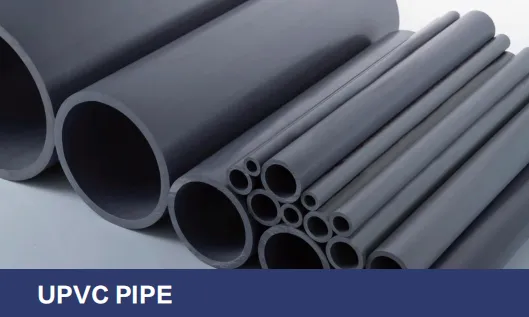
In a world where every brick, beam, and pipe we choose leaves a footprint on the planet, the shift toward sustainable building has become more than a trend—it's a responsibility. From the walls that shelter us to the systems that keep our homes and offices running, the materials we select shape not just our spaces, but the health of our environment. Today, we're turning the spotlight on a quiet workhorse of modern construction: UPVC pipes. Often overlooked, these unassuming tubes play a critical role in plumbing, drainage, and infrastructure. But as awareness of environmental impact grows, the question isn't just which UPVC pipe to buy—it's from whom . The right upvc pipe supplier isn't just a vendor; they're a partner in building a greener future. Let's dive into how these suppliers are reimagining UPVC pipe solutions to prioritize the planet without compromising on performance.
First, let's get to know UPVC—unplasticized polyvinyl chloride—better. Unlike its flexible cousin PVC (which contains plasticizers), UPVC is rigid, strong, and resistant to corrosion, chemicals, and temperature fluctuations. These properties make it a staple in residential and commercial plumbing systems, from carrying drinking water to managing drainage and waste. Walk into any home, office, or hospital, and chances are the pipes behind the walls or under the floors are UPVC. They're lightweight, easy to install, and cost-effective—traits that have made them a go-to for builders and homeowners alike for decades.
But here's the thing: Traditional UPVC production hasn't always been kind to the environment. From the extraction of raw materials to the energy-intensive manufacturing processes, and even the disposal of old pipes, the lifecycle of conventional UPVC has raised red flags. As the demand for sustainable building materials surges, upvc pipe suppliers are stepping up, rethinking every step of the journey to create eco-friendly UPVC pipe solutions that align with the values of modern builders, architects, and communities.
To understand why change was necessary, let's unpack the environmental hurdles of traditional UPVC. First, raw materials: Conventional UPVC pipes are made from virgin plastic, derived from fossil fuels. Extracting and refining these fuels releases greenhouse gases, contributing to climate change. Then there's the manufacturing process: Heating and shaping plastic requires significant energy, often sourced from non-renewable resources, adding to the carbon footprint. Perhaps most concerning is end-of-life disposal: UPVC is non-biodegradable, meaning old pipes often end up in landfills, where they can take centuries to break down, or worse, leak harmful chemicals into soil and water.
Add to this the issue of waste in construction. According to the World Green Building Council, the construction industry is responsible for 39% of global carbon emissions, with building materials accounting for a large chunk of that. For too long, UPVC pipes were seen as a "necessary evil"—functional but environmentally costly. But forward-thinking upvc pipe suppliers are challenging that narrative. They're asking: What if UPVC could be both high-performance and sustainable? What if we could close the loop on its lifecycle, turning waste into wealth? The answers to these questions are reshaping the industry.
Today's leading upvc pipe suppliers aren't just selling pipes—they're selling a vision. A vision where UPVC pipe solutions contribute to, rather than detract from, environmental health. Let's explore the key ways they're making this happen:
One of the most impactful shifts is the integration of recycled plastic into UPVC pipe production. Instead of relying solely on virgin fossil fuels, suppliers are now incorporating post-consumer recycled (PCR) plastic—think old water bottles, packaging, and even discarded pipes—into their manufacturing process. This not only reduces the demand for virgin materials but also diverts plastic waste from landfills and oceans.
Take, for example, a leading upvc pipe supplier in Saudi Arabia that recently introduced a line of UPVC pipes made with 30% PCR content. By partnering with local recycling facilities, they're transforming plastic waste into durable, high-quality pipes suitable for residential drainage systems. The result? A 25% reduction in their carbon footprint per pipe, without compromising on strength or longevity. Builders love it because it helps them earn green building certifications (like LEED or BREEAM), and homeowners appreciate knowing their plumbing is part of the solution, not the problem.
Manufacturing UPVC pipes traditionally requires high temperatures, which means high energy use. Eco-conscious suppliers are tackling this by switching to renewable energy sources. Solar panels, wind turbines, and biomass energy are replacing coal and natural gas in factories, slashing greenhouse gas emissions. Some suppliers are even investing in energy-efficient machinery and optimizing production schedules to reduce waste and cut down on electricity use during peak hours.
Another innovation? Water recycling. UPVC production uses water for cooling and cleaning, but instead of letting that water go to waste, suppliers are installing closed-loop systems that treat and reuse it. One European upvc pipe supplier reports saving over 2 million liters of water annually this way—enough to fill 800 Olympic-sized swimming pools. These small, intentional changes add up, making the entire production process more sustainable.
Sustainability doesn't end when a pipe is installed—it starts there. Eco-friendly UPVC pipe solutions are designed with end-of-life in mind. That means making pipes easy to disassemble, free of harmful additives that complicate recycling, and clearly labeled so recyclers know how to process them. Some suppliers even offer take-back programs: When a building undergoes renovation, they'll collect old UPVC pipes, recycle them, and turn them into new ones. It's a circular economy in action, where waste becomes a resource.
Consider a hospital renovation project in Dubai. When the facility upgraded its plumbing system, the contractor partnered with their upvc pipe supplier to the old UPVC pipes. Instead of sending them to a landfill, the supplier recycled the plastic and used it to create new pipes for a nearby residential complex. The hospital reduced its waste disposal costs, the residential project got affordable, eco-friendly pipes, and the planet got a break from more virgin plastic production. It's a win-win-win that showcases the power of intentional design.
Curious how eco-friendly UPVC stacks up against the traditional version? Let's break it down in a table that highlights the key differences—from materials to impact:
| Feature | Traditional UPVC Pipes | Eco-Friendly UPVC Pipes (from Leading Suppliers) |
|---|---|---|
| Raw Materials | 100% virgin plastic (fossil fuel-based) | 30-50% recycled plastic content; reduced virgin plastic use |
| Manufacturing Energy Source | Primarily non-renewable (coal, natural gas) | Renewable energy (solar, wind, biomass); energy-efficient machinery |
| Carbon Footprint | High (due to fossil fuels and energy use) | 20-35% lower (thanks to recycled materials and green energy) |
| End-of-Life Disposal | Often landfilled; non-biodegradable | Recyclable; some suppliers offer take-back/recycling programs |
| Chemical Additives | May contain harmful stabilizers or heavy metals | Low-VOC (volatile organic compound) additives; food-safe for drinking water applications |
| Performance | Strong, durable, corrosion-resistant | Same strength and durability; meets or exceeds industry standards |
| Cost | Lower upfront cost | Slightly higher upfront cost (offset by long-term savings in waste and energy) |
As the table shows, eco-friendly UPVC doesn't sacrifice performance—it enhances it by adding environmental benefits. The slightly higher upfront cost is often offset by savings in waste disposal, energy bills (for suppliers), and green building incentives for buyers. For builders and homeowners committed to sustainability, it's an investment that pays dividends for both their projects and the planet.
While UPVC is a star player in plumbing, it's not the only one. Forward-thinking suppliers understand that sustainability is a team sport, which is why many offer a range of complementary eco-friendly solutions. For example, ppr pipe and fitting suppliers are gaining traction with their polypropylene random copolymer pipes, which are flexible, heat-resistant, and 100% recyclable. PPR pipes are ideal for hot water systems, and when paired with eco-friendly UPVC for cold water and drainage, they create a comprehensive, sustainable plumbing network.
Then there's the pvc dwv pipe supplier niche—DWV stands for Drainage, Waste, and Vent. These pipes are designed to handle wastewater and sewage, and eco-conscious suppliers are now producing DWV pipes with recycled content and improved flow efficiency, reducing the risk of clogs and leaks that waste water. In schools and hospitals, where hygiene and safety are paramount, these pipes are a game-changer, ensuring waste is managed efficiently while minimizing environmental impact.
The key takeaway? A holistic approach to sustainable plumbing means choosing a supplier that offers not just upvc pipe solutions, but a full suite of eco-friendly options. Whether it's PPR for hot water, DWV for waste, or UPVC for cold water, the right supplier will guide you to the best materials for your project's needs—all with the planet in mind.
Let's put a face to this movement with a real-world example (names have been changed for privacy, but the story is inspired by actual suppliers). Meet "GreenFlow," a leading upvc pipe supplier based in Riyadh, Saudi Arabia. Five years ago, GreenFlow was a traditional supplier, focused solely on quality and cost. But as clients—including developers building LEED-certified communities and government agencies mandating sustainability—began asking for greener options, the team realized they needed to evolve.
GreenFlow started small: They invested in solar panels for their factory, reducing reliance on grid electricity by 40%. Then, they partnered with local recycling facilities to source post-consumer plastic, incorporating 30% recycled content into their standard UPVC pipes. They also redesigned their packaging to use 100% recycled cardboard and eliminated single-use plastics in shipping.
The results were staggering. Within two years, GreenFlow's carbon footprint dropped by 35%. Their eco-friendly UPVC pipe solutions became so popular that they expanded their line to include recycled-content DWV pipes and low-VOC UPVC for drinking water systems. Today, they're the go-to supplier for sustainable projects across Saudi Arabia, from luxury villas in Jeddah to hospitals in Dammam. "Our clients don't just want pipes—they want peace of mind," says a GreenFlow representative. "Knowing their plumbing is helping the planet makes every project feel more meaningful."
The innovation doesn't stop here. Upvc pipe suppliers are already looking ahead, exploring new ways to make UPVC even greener. One exciting trend is the development of bio-based UPVC, where a portion of the plastic is derived from renewable resources like plant starches or algae. Early tests show these bio-UPVC pipes perform just as well as traditional ones but have a lower carbon footprint.
Another area of focus is smart technology. Imagine UPVC pipes embedded with sensors that detect leaks in real time, preventing water waste and reducing the need for repairs (which often involve replacing perfectly good pipes). Some suppliers are experimenting with this, pairing eco-friendly materials with smart features to create pipes that are both sustainable and efficient.
Finally, there's the push for industry-wide standards. Suppliers are collaborating with environmental organizations to create certifications for eco-friendly UPVC, making it easier for builders and homeowners to identify truly sustainable products. Soon, you might see labels like "30% Recycled Content" or "Carbon-Neutral Production" on pipe packaging, taking the guesswork out of green shopping.
Ready to make the switch to eco-friendly UPVC? Here are some key questions to ask potential suppliers to ensure they're truly committed to sustainability:
Sustainability in construction isn't about grand gestures—it's about the choices we make every day, from the materials we select to the suppliers we trust. UPVC pipes may not be the most glamorous part of a building project, but they're a critical one, and the shift toward eco-friendly upvc pipe solutions is proof that even the smallest components can drive big change. By choosing a supplier that prioritizes recycled materials, renewable energy, and circular design, we're not just building better spaces—we're building a better future.
So the next time you're planning a project, whether it's a home renovation or a commercial development, remember: The right upvc pipe supplier isn't just selling pipes. They're selling a vision—one where buildings are kind to the planet, and progress doesn't come at the cost of our environment. Together, we can turn that vision into reality, one pipe at a time.
Recommend Products












