
When it comes to building or renovating a space—whether it's a cozy home, a bustling office, or a large-scale commercial complex—one decision that often flies under the radar but carries massive long-term consequences is choosing the right piping system. Pipes are the unsung heroes of any structure, silently carrying water, waste, and essential fluids day in and day out. But with so many options available, from traditional metal pipes to modern plastic alternatives, how do you decide which offers the best value? Today, we're diving deep into two of the most popular choices: UPVC pipe solutions and metal pipes. By the end, you'll have a clear picture of which one deserves a spot in your next project.
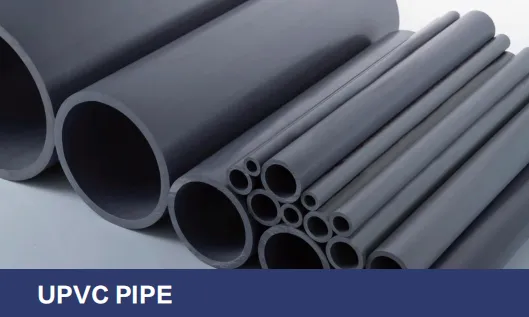
Let's start with the newcomer (though it's hardly new anymore): UPVC, or Unplasticized Polyvinyl Chloride. Unlike regular PVC, which can be flexible, UPVC is rigid and reinforced, making it ideal for structural applications like piping. Think of it as PVC's sturdier, more reliable cousin—no plasticizers, just pure, durable material designed to stand the test of time.
UPVC pipe solutions have become a staple in the plumbing world, and for good reason. They're lightweight, resistant to corrosion, and surprisingly strong. You'll find them in everything from residential plumbing systems to industrial drainage networks. And when we talk about "solutions," we're not just talking about pipes—we're talking about a complete package: pipes, fittings, connectors, and often expert guidance from a trusted upvc pipe supplier who understands how to tailor these systems to specific needs. Whether you're installing a new bathroom or setting up a commercial irrigation system, upvc pipe solutions are designed to be versatile, cost-effective, and low-maintenance.
Now, let's turn to the tried-and-true option: metal pipes. For decades, metal was the go-to for piping, and it's easy to see why. Steel, copper, galvanized iron—these materials are tough, can handle high pressure, and have a reputation for reliability. Copper pipes, in particular, have been a favorite for hot water systems because of their heat conductivity, while steel pipes were once the backbone of industrial plumbing.
But metal pipes come with trade-offs. They're heavy, which makes them a hassle to transport and install. They're also prone to corrosion over time—unless you're using stainless steel, which is pricey—or require regular maintenance like painting or coating to prevent rust. Galvanized iron pipes, for example, were common in older homes, but many homeowners now replace them because the zinc coating eventually wears off, leading to rusty water and clogs.
Let's get down to brass tacks: cost. When most people compare materials, they only look at the upfront price tag. But value isn't just about what you pay today—it's about what you'll pay over the next 10, 20, or 50 years. Let's break it down.
Initial Cost: UPVC pipes are generally cheaper to buy than metal pipes, especially when you compare them to copper or stainless steel. A standard 10-foot length of 1-inch UPVC pipe might cost half as much as a similar copper pipe. Galvanized steel is a bit more affordable than copper but still pricier than UPVC. So, if you're working with a tight initial budget, UPVC has a clear edge here.
Installation Cost: Here's where UPVC really starts to pull ahead. Metal pipes are heavy—copper is dense, steel is even heavier—so moving them around a construction site requires more labor. Cutting metal pipes often needs specialized tools, and joining them? That can mean welding (for steel), soldering (for copper), or threading (for galvanized iron)—all of which require skilled labor and add hours (and dollars) to the installation process. UPVC, on the other hand, is lightweight enough for a single person to carry. Cutting it is as simple as using a hacksaw or pipe cutter, and joining it? Just apply some solvent cement, twist, and hold for a minute. Even if you're hiring a pro, the installation time for UPVC is significantly shorter, which translates to lower labor costs. Many upvc pipe suppliers even offer pre-cut pipes and ready-to-use fittings, further streamlining the process.
Long-Term Maintenance Cost: This is where metal pipes start to lose their appeal. Let's say you install galvanized steel pipes. Within 10–15 years, you might start noticing rust flakes in your water or reduced water pressure due to corrosion buildup. Fixing that? You'll need to replace sections of pipe, which means cutting into walls, hiring a plumber, and paying for new materials. Copper pipes can last longer—up to 50 years—but they're susceptible to pinhole leaks if your water is acidic, and repairing them isn't cheap. UPVC pipes, though? They don't rust, corrode, or react with water (even hard water), so once they're installed, you can basically forget about them. No painting, no coating, no annual inspections. Just set it and forget it.
| Cost Factor | UPVC Pipes | Metal Pipes (Steel/Copper) |
|---|---|---|
| Initial Material Cost | Lower (e.g., $1–$3 per foot for 1-inch pipe) | Higher (e.g., $3–$8 per foot for copper; $2–$5 for galvanized steel) |
| Installation Labor Cost | Lower (2–3 hours for a typical home plumbing setup) | Higher (4–6 hours for the same setup due to welding/soldering) |
| Annual Maintenance Cost | ~$0 (no regular upkeep needed) | $50–$200+ (anti-corrosion treatments, leak repairs, painting) |
| Replacement Frequency | 50+ years | 15–50 years (varies by metal and maintenance) |
You might be thinking, "Sure, UPVC is cheaper, but is it as tough as metal?" Let's put that to the test. Metal pipes have a reputation for strength, but modern UPVC is no slouch. Let's break down key durability factors:
Corrosion Resistance: This is where UPVC crushes it. Metal pipes, even galvanized ones, are at the mercy of water and chemicals. If your water has high chlorine levels or your pipes carry industrial fluids, metal will corrode over time. UPVC? It's impervious to corrosion. Whether you're using it for saltwater irrigation or industrial waste lines, UPVC won't rust, pit, or degrade. That's why pvc dwv pipe suppliers (DWV stands for Drain, Waste, Vent) swear by UPVC—those systems deal with all kinds of harsh stuff, and UPVC handles it without breaking a sweat.
Pressure Handling: Metal pipes can handle higher pressure, but here's the thing: most residential and light commercial projects don't need ultra-high pressure. UPVC pipes are rated for standard water pressure (up to 100–150 psi, depending on the size), which is more than enough for home plumbing, irrigation, or even small commercial buildings. If you're building a factory with high-pressure hydraulic lines, metal might be necessary, but for 90% of projects, UPVC is more than sufficient.
Temperature Limits: Metal pipes win here—copper, for example, can handle boiling water and even steam. UPVC, on the other hand, starts to soften around 140°F (60°C), so it's not ideal for hot water lines above that temperature. But guess what? Most homes have water heaters set to 120°F (49°C), which is well within UPVC's comfort zone. For hot water systems that need to go higher, you might opt for PEX or PPR pipes (shoutout to pex pipe and fitting suppliers and ppr pipe and fitting suppliers), but that's a different comparison. For cold water, drainage, or moderate hot water, UPVC is perfect.
Lifespan: UPVC pipes are rated to last 50+ years, and many manufacturers back that up with warranties. Metal pipes? Galvanized steel might last 20–30 years without maintenance, copper 50–70 years, but only if the water chemistry is good. In reality, many metal pipes need replacement sooner than advertised, while UPVC pipes often outlive the buildings they're installed in.
Let's talk about the day-to-day of installing these pipes. If you've ever tried to carry a 20-foot steel pipe up a flight of stairs, you know it's no joke. Metal pipes are heavy—copper is about 5 times denser than UPVC, and steel is even heavier. That weight doesn't just make transportation a hassle; it also makes installation more dangerous. One wrong move, and you could drop a pipe and damage your floor (or worse, your foot).
UPVC pipes, though? They're lightweight enough that a single person can carry multiple lengths at once. Cutting them is a breeze with a simple pipe cutter or even a hacksaw—no need for power tools. And joining them? Just a little solvent cement, a quick twist, and you're done. The cement sets in minutes, so you can move on to the next section without waiting hours for welds to cool or solder to set. Even if you're not a pro, you could probably install a basic UPVC plumbing system yourself with a little guidance from your upvc pipe supplier.
Metal pipes, by contrast, require specialized skills. Soldering copper pipes takes practice—too much heat, and you melt the fitting; too little, and the joint leaks. Welding steel pipes? That's a job for a certified professional, which adds to the cost. Threading galvanized iron pipes? It's time-consuming and messy. For most homeowners and small contractors, the ease of UPVC installation is a game-changer.
In today's world, we can't ignore the environmental footprint of our building choices. So, how do UPVC and metal stack up here?
Let's start with production. Making metal pipes—especially steel—involves mining iron ore, melting it in furnaces, and shaping it, which uses a ton of energy. Copper mining is also energy-intensive and can leave behind toxic waste. UPVC production, while not perfect, uses less energy overall. Plus, UPVC pipes are lightweight, so transporting them uses less fuel than hauling heavy metal pipes.
Then there's longevity. UPVC pipes last 50+ years, which means fewer replacements. Every time you replace metal pipes, you're sending old materials to landfills (or recycling centers, if you're lucky) and manufacturing new ones, which adds to your carbon footprint. UPVC's long lifespan means less waste and fewer resources used over time.
Recycling is another factor. Metal pipes are highly recyclable—steel and copper can be melted down and reused indefinitely. UPVC is recyclable too, though the infrastructure for recycling UPVC pipes isn't as widespread as it is for metal. That said, since UPVC pipes last so long, recycling becomes less urgent. And let's not forget: a pipe that never needs to be replaced is better for the planet than one that needs replacing every 20 years, even if it is recyclable.
We've sung UPVC's praises, but let's be fair: metal pipes still have their place. If you're building a high-pressure industrial facility where pipes need to handle 500+ psi, or a system that carries extremely hot fluids (like steam), metal is the way to go. Copper is still a top choice for radiant heating systems because it conducts heat so well. And in some historic buildings, metal pipes might be required to maintain the structure's authenticity.
But for most projects—residential homes, small offices, schools, hospitals, or retail spaces—UPVC pipe solutions offer a better balance of cost, durability, and ease of use. Even in commercial settings, many contractors are switching to UPVC for secondary lines, using metal only where absolutely necessary.
Let's wrap this up with a story. A few years back, I spoke with a residential builder in Riyadh who had always used galvanized steel pipes for his projects. One day, a client asked if he could use UPVC to cut costs. Skeptical, he agreed—reluctantly. Fast forward five years: that builder now uses UPVC for 90% of his projects. Why? Because he noticed something surprising: the homes with UPVC pipes had zero plumbing issues after five years, while the ones with steel pipes were already calling him back for repairs. He estimates he's saved his clients an average of $2,000 per home in maintenance costs alone. And when he factored in the lower initial installation costs, switching to UPVC made his bids more competitive, helping him win more projects. "I should have switched sooner," he told me. "It's not just about saving money—it's about building something that lasts."
So, which offers better value: UPVC pipe solutions or metal pipes? For most projects, the answer is clear: UPVC. It's cheaper upfront, easier to install, requires zero maintenance, lasts longer, and is kinder to the planet. Metal pipes have their niche, but for residential, commercial, and light industrial use, UPVC is the smarter choice.
Of course, not all UPVC pipes are created equal. To get the best value, partner with a reputable upvc pipe supplier who offers high-quality upvc pipe solutions—pipes that meet industry standards, come with warranties, and are backed by expert advice. With the right supplier and the right system, you'll be set for decades to come.
At the end of the day, value isn't just about the price tag. It's about peace of mind—the knowledge that the pipes behind your walls will work quietly, reliably, and affordably for years to come. And when it comes to that, UPVC pipe solutions deliver in spades.
Recommend Products












