
Let's start with a scenario we've all encountered (or will, sooner or later): You're standing in a hardware store, staring at rows of pipes, trying to figure out which one is right for your project. Maybe it's a kitchen renovation, a commercial building upgrade, or even a hospital's plumbing overhaul. The salesperson mentions "UPVC" and "CPVC," and suddenly your head is spinning. What's the difference? Why does it matter? And most importantly, which one won't turn into a costly disaster when the temperature rises (or drops)?
If you've ever asked these questions, you're not alone. Pipes are the unsung heroes of any building—quietly carrying water, waste, and essential fluids day in and day out. But when they fail, the consequences are loud, messy, and expensive. Temperature resistance is often the hidden culprit behind these failures. Use a pipe that can't handle the heat (or cold), and you're setting yourself up for leaks, bursts, or worse. Today, we're diving deep into two of the most popular piping options: UPVC pipe solutions and CPVC (specifically, CPVC pipe and fitting (ASTM D2846) solutions). We'll break down their temperature limits, real-world applications, and help you decide which one deserves a spot in your next project.
Before we jump into temperature wars, let's get back to basics. Both UPVC and CPVC are types of plastic pipes, but they're not identical twins—more like cousins with very different superpowers. Let's meet each one.
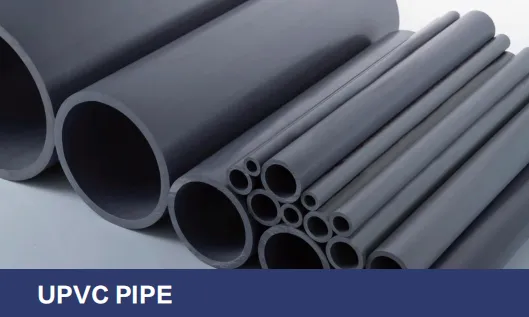
UPVC stands for "Unplasticized Polyvinyl Chloride." The "unplasticized" part is key here: unlike regular PVC (which can have added plasticizers to make it flexible), UPVC skips the plasticizers, making it stiffer, stronger, and more resistant to chemicals. You've probably seen UPVC pipes in your home's drainage system, under the sink, or in outdoor irrigation setups. They're white, lightweight, and have a reputation for being budget-friendly and easy to install.
UPVC pipe solutions have been around since the mid-20th century, and for good reason. They're corrosion-resistant (no rust, unlike metal pipes), low-maintenance, and handle cold water like a pro. But here's the catch: when the heat turns up, UPVC starts to show its limits. Think of it as the pipe that excels in a cool office but wilts in a summer heatwave.
CPVC, or "Chlorinated Polyvinyl Chloride," is UPVC's more adventurous cousin. It starts as regular PVC resin, but then undergoes a special chlorination process—think of it as adding a heat-resistant armor layer. This process increases the material's chlorine content, which changes its molecular structure, making it far more tolerant of high temperatures. CPVC pipes are usually a cream or light gray color, and they're often marked with standards like ASTM D2846, which sets the bar for their performance.
CPVC pipe and fitting (ASTM D2846) solutions are the go-to for projects where hot water is involved—think residential hot water lines, commercial kitchens, hospitals, or industrial facilities. They can handle not just heat, but also higher water pressure than UPVC. But with great power comes… well, a slightly higher price tag and some unique installation quirks. More on that later.
Let's cut to the chase: temperature resistance is where UPVC and CPVC really diverge. To make this concrete, let's talk numbers. Imagine you're running a hotel with a busy laundry room, or a hospital with constant hot water needs for sterilization. The water in those pipes isn't just "warm"—it's often scalding. Can UPVC keep up? Spoiler: not really.
UPVC's sweet spot is cold to lukewarm water. Most manufacturers recommend a maximum operating temperature of around 140°F (60°C). Push it beyond that—say, 160°F (71°C) or higher—and the material starts to soften. Over time, this softening leads to warping, reduced pressure tolerance, and eventually, leaks. In extreme cases, a hot water line with UPVC could even burst if the temperature spikes, turning your project into a flood zone.
CPVC, on the other hand, laughs in the face of heat. Thanks to that chlorination process, CPVC pipe and fitting (ASTM D2846) solutions can handle temperatures up to 200°F (93°C) for continuous use. That's hot enough for most residential and commercial hot water systems, including radiant floor heating, boiler lines, and even some industrial processes. Even short-term temperature spikes (like when a water heater malfunctions) are less likely to damage CPVC, giving you a buffer that UPVC just can't match.
| Feature | UPVC Pipe Solutions | CPVC Pipe and Fitting (ASTM D2846) Solutions |
|---|---|---|
| Material | Unplasticized Polyvinyl Chloride (no plasticizers) | Chlorinated Polyvinyl Chloride (higher chlorine content) |
| Max Continuous Operating Temperature | 140°F (60°C) | 200°F (93°C) |
| Short-Term Temperature Tolerance | Up to 150°F (65°C) for brief periods | Up to 212°F (100°C) for short bursts |
| Color | Typically white or light gray | Cream, light gray, or tan (often marked with ASTM D2846) |
| Common Applications | Cold water lines, drainage, irrigation, vent systems | Hot water lines, radiant heating, hospitals, schools, industrial processes |
| Cost | More budget-friendly (30-50% cheaper than CPVC) | Slightly higher upfront cost (but lower long-term risk for hot water) |
UPVC isn't a one-trick pony—it just knows its lane, and it stays in it. If your project involves cold water, drainage, or low-temperature fluids, UPVC pipe solutions are a rock-solid choice. Let's break down the best scenarios for UPVC:
In homes, apartments, or offices, UPVC shines for cold water lines. Whether it's the pipe under your kitchen sink, the line feeding your washing machine, or the main water supply from the street, UPVC handles cold water with zero fuss. It's durable, doesn't leach chemicals into the water, and resists corrosion from minerals or mild acids—perfect for long-term use.
Ever wondered what's under your shower or behind your toilet? Chances are, it's UPVC. Drainage pipes (like PVC DWV, which is similar to UPVC) rely on UPVC's rigidity to handle waste water and sewage without collapsing. The smooth interior of UPVC pipes also prevents clogs, making them ideal for carrying everything from soapy water to solid waste.
UPVC loves the outdoors—well, as long as the sun isn't baking it for hours on end. It's UV-resistant (unlike some other plastics), so it holds up in garden irrigation systems, sprinkler lines, or outdoor fountains. Plus, its lightweight design makes it easy to install in tight spaces, like under decks or along fences.
Let's talk money: UPVC is almost always cheaper than CPVC. If you're working on a tight budget and don't need to handle hot water, UPVC pipe solutions let you stretch your dollar further. Just remember: skimping on CPVC for hot water systems to save a few bucks now could cost you thousands in repairs later.
CPVC is the superhero of high-temperature scenarios. When the heat is on (literally), CPVC pipe and fitting (ASTM D2846) solutions step up to the plate. Here are the projects where CPVC is non-negotiable:
This is CPVC's bread and butter. From the water heater in your home to the hot taps in a hotel's 100 rooms, CPVC handles the constant flow of hot water without weakening. Unlike metal pipes (which can corrode or develop mineral buildup), CPVC stays smooth and efficient, ensuring hot water reaches your faucet quickly and reliably.
Hospitals and schools have zero room for error. That's why CPVC pipe and fitting (ASTM D2846) solutions are a top choice here. They're non-toxic (so no harmful chemicals leach into drinking water), fire-resistant, and can handle the high temperatures needed for sterilization equipment, medical sinks, and science labs. Plus, their smooth surfaces are easy to clean, which is critical in environments where hygiene is everything.
Factories, breweries, and processing plants often deal with fluids that are hotter than your average shower. Think: hot water for cleaning equipment, heated liquids in food production, or even mild chemicals at elevated temperatures. CPVC's chemical resistance and heat tolerance make it a safe, cost-effective alternative to metal pipes, which can rust or react with certain substances.
Ever walked into a bathroom on a cold morning and felt the floor warm under your feet? Thank radiant heating systems, which often use CPVC pipes. These systems circulate hot water through pipes under the floor, and CPVC's ability to handle continuous heat (up to 200°F) ensures the pipes don't degrade over time—keeping your toes toasty for years.
Even the best pipe won't perform if it's installed wrong. UPVC and CPVC might look similar, but their installation needs are different. Let's break down the dos and don'ts for each.
UPVC is forgiving for DIYers, but you still need to follow the rules: Use a hacksaw or pipe cutter to get clean, straight cuts (ragged edges can cause leaks). Deburr the cut ends with a file to remove sharp plastic bits. When gluing, use a PVC primer (clear or blue) and PVC cement—apply a thin layer to both the pipe and fitting, wait 10-15 seconds, then push them together and hold for 30 seconds. Let it dry for at least 24 hours before turning on the water. Pro tip: Avoid over-tightening fittings—UPVC can crack if you wrench it too hard.
CPVC needs a little extra love. First, check the label: only use CPVC cement (it's usually yellow or orange) and CPVC primer (often purple). Regular PVC cement won't bond properly with CPVC, leading to leaks. The chlorination process makes CPVC slightly more flexible than UPVC, so you can bend it a bit during installation (but don't kink it!). Also, CPVC expands more with heat than UPVC, so leave a small gap between pipes and walls to avoid stress cracks. And remember: always follow ASTM D2846 guidelines—they're there to ensure your installation meets safety standards.
Both UPVC and CPVC are low-maintenance, but a little care goes a long way.
UPVC's biggest enemy? Extreme cold. In freezing temperatures, water inside UPVC pipes can expand and burst them. If you live in a cold climate, insulate outdoor UPVC pipes or drain them in winter. Also, avoid exposing UPVC to direct sunlight for years on end—while it's UV-resistant, prolonged sun exposure can make it brittle over time. A coat of paint (specifically for plastic pipes) can help protect outdoor UPVC.
CPVC is tough, but hard water can leave mineral deposits (like limescale) inside the pipes, reducing water flow. To prevent this, install a water softener if you have hard water, or flush the pipes with a vinegar solution once a year (let the vinegar sit for an hour, then rinse with cold water). Also, avoid using harsh chemical drain cleaners—they can damage CPVC over time. Stick to enzymatic cleaners instead.
Let's boil it down: If your project involves cold water, drainage, or a tight budget, UPVC pipe solutions are your best bet. They're reliable, affordable, and easy to work with. But if you're dealing with hot water (even occasionally), hospitals, schools, or industrial heat, CPVC pipe and fitting (ASTM D2846) solutions are non-negotiable. Their temperature resistance, safety, and durability make them worth the slightly higher upfront cost.
Remember: The right pipe isn't just about avoiding leaks—it's about peace of mind. Imagine finishing a renovation, turning on the hot water, and knowing your pipes can handle whatever you throw at them. That's the confidence UPVC and CPVC can give you—when used in the right place.
So, next time you're staring at those rows of pipes, you'll know exactly what to do. UPVC for the cold, CPVC for the heat, and never, ever mix them up. Your future self (and your wallet) will thank you.
Recommend Products












