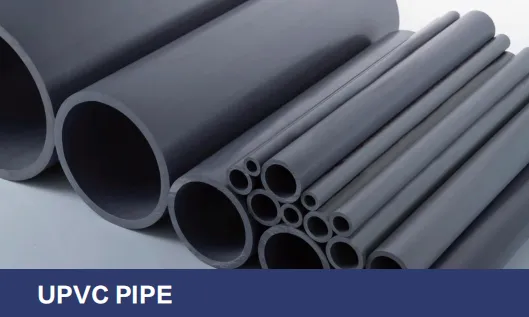
So, what makes UPVC pipes a favorite among builders and
upvc pipe supplier
networks worldwide? It all comes down to durability. Let's unpack the key factors that make these pipes a reliable choice for decades.
Chemical Resistance: A Shield Against Corrosion
Unlike metal pipes that rust when exposed to minerals or chemicals, UPVC is inherently resistant to most acids, alkalis, and salts. This makes it perfect for transporting not just clean water, but also wastewater, industrial effluents, and even chemicals in agricultural or manufacturing settings. For example, in coastal areas where water is salty, UPVC pipes won't corrode like steel, saving on replacement costs and maintenance headaches.
Temperature Tolerance: Staying Strong in the Heat (and Cold)
UPVC pipes can handle a wide range of temperatures, typically from 0°C to 60°C (32°F to 140°F) for standard applications. While they're not designed for hot water systems (that's where PPR pipes often come in—more on that later), they're ideal for cold water supply, drainage, and venting. In colder climates, UPVC's impact resistance holds up even when the temperature drops, reducing the risk of cracks from freezing water (though proper insulation is still recommended in extreme cases).
Pressure Handling: Built to Withstand the Flow
The thickness of a UPVC pipe's wall determines its pressure rating, measured in bars or psi. For example, a 20mm UPVC pipe might have a pressure rating of 16 bar (232 psi), making it suitable for high-pressure water supply lines in multi-story buildings. This strength comes from the rigid structure of UPVC—no plasticizers mean no flexibility that could compromise pressure handling over time.
UV Resistance: Fighting the Sun's Rays
When installed outdoors, pipes are exposed to UV radiation, which can degrade some plastics. But UPVC pipes are formulated with stabilizers that block UV rays, preventing brittleness or discoloration. This is why you'll often see UPVC used for above-ground drainage systems or agricultural irrigation lines—they can sit in the sun for years without losing strength.
Impact Strength: Tough Enough for the Job Site (and Beyond)
Construction sites are rough places, and pipes often take a beating during and installation. UPVC's impact modifiers ensure that even if a pipe is dropped or hit with a tool, it's unlikely to crack. This toughness extends to everyday use too—underground pipes can handle soil pressure, and above-ground pipes resist damage from accidental knocks.
Low Maintenance: Set It and Forget It
Unlike metal pipes that need periodic painting or coating to prevent rust, UPVC pipes require almost no maintenance. Their smooth inner surface also resists scaling and sediment buildup, so water flow remains consistent over time. This low-maintenance quality is a big reason why homeowners and facility managers love them—once installed, you can focus on other things, not pipe repairs.