
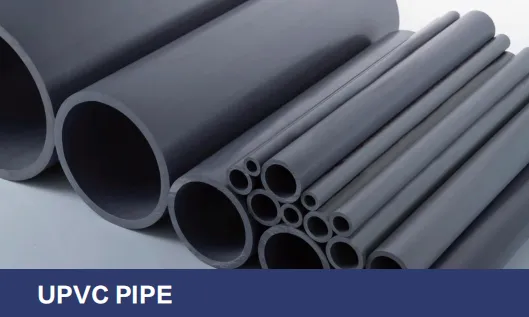
Think about the last time you had a plumbing problem. Maybe it was a leak under the kitchen sink that stained your cabinet, or a burst pipe in the basement that left you mopping up water at 2 a.m. Plumbing issues aren't just inconvenient—they're expensive, stressful, and can disrupt your entire routine. But what if there was a plumbing solution that didn't just fix the problem, but prevented it from happening in the first place? Enter UPVC pipe solutions: a game-changer in the world of plumbing that combines remarkable longevity with minimal maintenance. Whether you're building a new home, renovating an office, or managing an industrial facility, understanding why UPVC has become the go-to choice for professionals might just save you time, money, and a lot of headaches down the line.
First things first: let's break down the jargon. UPVC stands for "unplasticized polyvinyl chloride." Unlike regular PVC (which often includes plasticizers to make it flexible), UPVC skips the plasticizers, resulting in a rigid, strong material that's built to last. This might sound technical, but here's what it means for you: a pipe that's tough enough to handle daily use, resistant to the elements, and designed to outlive many other plumbing materials on the market. UPVC pipe solutions aren't just about the pipes themselves, though—they include a full ecosystem of components, from the pipes that carry water to the fittings that connect them and the valves that control flow. When we talk about "upvc pipe solutions," we're referring to a complete, cohesive system designed to work together seamlessly, ensuring reliability from the first drop of water to the last.
But why does this matter? Imagine buying a high-quality phone but using a cheap, incompatible charger—it might work for a while, but eventually, the mismatch could cause problems. The same goes for plumbing. A strong pipe is only as good as its connections, which is why pairing UPVC pipes with the right pipes fittings solutions and plastic valve system solutions is key. These components are engineered from the same durable UPVC material, ensuring a tight, leak-proof seal that stands the test of time.
Let's get to the heart of the matter: how long do UPVC pipes actually last? Industry standards and real-world data paint a clear picture: 50 years or more . That's not a typo. Compare that to galvanized steel pipes, which typically start corroding after 20-30 years, or even copper pipes, which might last 40-50 years but are prone to pinhole leaks if the water is acidic. UPVC's longevity isn't an accident—it's built into the material's DNA.
One of the biggest enemies of plumbing systems is corrosion. Metal pipes, even those coated to resist it, eventually succumb to water, salt, chemicals, and even the minerals in hard water. Over time, rust forms, narrowing the pipe, reducing water flow, and eventually causing leaks. UPVC? It's completely impervious to corrosion. Whether you're transporting drinking water, wastewater, or even mild chemicals (like in industrial settings), UPVC pipes won't rust, rot, or degrade. This is a game-changer for coastal areas, where saltwater exposure can destroy metal pipes in years, or for homes with hard water that's tough on traditional materials.
Ever left a plastic chair outside in the sun for years? It fades, cracks, and becomes brittle. Not UPVC. Modern UPVC pipe solutions include UV stabilizers, which protect the material from the sun's harmful rays. This means you can use UPVC pipes outdoors—for irrigation systems, outdoor drains, or exposed water lines—without worrying about them breaking down over time. Even in harsh climates, from the scorching heat of Saudi Arabia to the freezing winters of northern Europe, UPVC holds its own, maintaining its strength and shape year after year.
Pipes don't live in perfect conditions. They get bumped during construction, shifted by soil movement, or accidentally hit by a shovel while gardening. UPVC's rigid structure gives it impressive impact strength. Unlike brittle materials that crack under pressure, UPVC pipes bend slightly under stress and then return to their shape, reducing the risk of breakage. This toughness is especially important in residential settings, where kids might kick a pipe under the sink, or in commercial construction zones, where heavy equipment is constantly moving.
UPVC pipes are designed to handle a wide range of temperatures, making them versatile for both hot and cold water systems. While they're not meant for extreme heat (like boiling water in industrial boilers), they work perfectly for residential hot water lines (typically around 60-70°C/140-158°F) and cold water systems. This flexibility means you can use UPVC throughout your home or building, from the kitchen faucet to the bathroom shower, without needing different materials for different areas.
Longevity is great, but what good is a pipe that lasts 50 years if you're constantly cleaning, repairing, or replacing parts? That's where UPVC's low maintenance comes in. Let's be honest: no one wants to spend their weekends fixing plumbing. UPVC pipes are designed to be "set it and forget it," freeing you up to focus on the things that matter.
Installing UPVC pipes is a breeze compared to traditional materials. They're lightweight—about 1/5 the weight of copper pipes—so (carrying) them up stairs or around job sites is easier, reducing labor time and costs. Unlike metal pipes, which require welding, soldering, or specialized tools, UPVC pipes connect using simple, threaded joints or solvent cement. A quick application of cement, a twist, and the joint is sealed in minutes. Even for DIY enthusiasts with basic plumbing skills, UPVC installation is manageable, though for larger projects, a professional can get the job done in a fraction of the time it would take with metal pipes.
Metal pipes often need protective coatings to prevent corrosion—think of the paint on galvanized steel or the plating on brass. Over time, these coatings chip or wear off, requiring reapplication. UPVC pipes? They come in a sleek, neutral white or gray finish that never fades, chips, or needs painting. Even if they get scratched (which is rare, thanks to their impact resistance), the scratch is purely cosmetic—no need to worry about rust or decay setting in. This not only saves time but also keeps maintenance costs low over the years.
Have you ever noticed reduced water pressure in an older home? Chances are, mineral deposits (like calcium and magnesium from hard water) have built up inside the pipes, narrowing the opening and slowing flow. UPVC pipes have a smooth inner surface that resists scale buildup. Water flows freely, and even if some deposits do form, they're easy to remove with a simple flush—no harsh chemicals or professional descaling needed. This is especially important in areas with hard water, where scale can turn a minor annoyance into a major plumbing bill.
Let's be realistic: even the best systems can face unexpected issues—a tree root intrusion, a accidental hit from construction equipment, or a manufacturing defect (though these are extremely rare with reputable suppliers). When problems do arise, UPVC repairs are straightforward. Unlike copper pipes, which may require cutting and soldering, or galvanized steel, which often needs full section replacements, UPVC pipes can often be fixed with a simple coupling or replacement fitting. Because the materials are lightweight and easy to work with, a plumber can typically resolve the issue in an hour or two, minimizing downtime and disruption.
To truly understand UPVC's advantages, let's compare it to other common plumbing materials. The table below breaks down key factors like lifespan, maintenance, and cost, so you can see why UPVC pipe solutions are the smart choice for long-term value.
| Material | Average Lifespan | Maintenance Needs | Corrosion Resistance | Cost (Installation & Upkeep) | Best For |
|---|---|---|---|---|---|
| UPVC | 50+ years | Minimal: No painting, no descaling, rare repairs | Excellent (resists rust, chemicals, saltwater) | Low: Affordable materials + easy installation | Residential, commercial, industrial (cold/hot water, drainage) |
| Copper | 40-50 years | Moderate: Prone to pinhole leaks; requires soldering for repairs | Good (but vulnerable to acidic water) | High: Expensive materials + skilled labor for installation | High-end residential, historic buildings (aesthetic preference) |
| Galvanized Steel | 20-30 years | High: Corrodes over time; needs frequent repairs/replacement | Poor (rusts easily, especially in hard/salt water) | Moderate-High: Low material cost, but high long-term upkeep | Older homes (being phased out due to corrosion issues) |
| PPR (Polypropylene Random Copolymer) | 40-50 years | Moderate: Susceptible to UV damage; requires heat fusion for installation | Good (resists chemicals, but less rigid than UPVC) | Moderate: Similar to UPVC materials, but higher labor costs | Hot water systems (better heat resistance than standard UPVC) |
As the table shows, UPVC outperforms other materials in lifespan, maintenance, and cost-effectiveness. While copper or PPR might have niche advantages (like copper's aesthetic appeal or PPR's high-heat tolerance), neither can match UPVC's all-around performance and value—especially when paired with quality pipes fittings solutions and plastic valve system solutions.
UPVC pipe solutions aren't limited to one type of building or use case—their versatility makes them ideal for a wide range of applications. Let's explore some of the most common ways UPVC is used today:
In homes, UPVC pipes are used for everything from drinking water lines to drainage systems. They're perfect for kitchen sinks, bathroom showers, toilets, and even outdoor irrigation. Parents will appreciate that UPVC is lead-free and safe for drinking water, while homeowners love the peace of mind knowing their pipes won't spring a leak and flood the basement. Plus, because UPVC is resistant to mold and mildew (thanks to its non-porous surface), it's a hygienic choice for bathrooms and kitchens, where moisture is common.
Offices, hotels, restaurants, and retail stores rely on consistent water flow and minimal downtime. UPVC pipe solutions deliver on both fronts. In hotels, for example, a single leaky pipe could disrupt dozens of rooms and damage furniture or electronics. UPVC's leak-proof design and low maintenance mean managers can focus on guest experience, not plumbing repairs. Restaurants benefit from UPVC's resistance to grease and food particles in drainage systems, while offices appreciate the quiet operation (UPVC pipes don't "knock" like metal pipes when water flows through them).
Industrial settings—chemical plants, water treatment facilities, factories—need pipes that can handle harsh conditions. UPVC's resistance to chemicals, corrosion, and high pressure makes it ideal for transporting everything from wastewater to mild acids. Plastic valve system solutions, designed to work with UPVC pipes, allow for precise control of flow rates, ensuring processes run efficiently. In agricultural settings, UPVC irrigation pipes stand up to UV rays and soil chemicals, delivering water to crops reliably season after season.
Not all UPVC pipe solutions are created equal. To ensure you get the longevity and performance you expect, here are a few key factors to consider when selecting a supplier:
As technology advances and sustainability becomes a priority, UPVC pipe solutions are evolving to meet new demands. Manufacturers are developing eco-friendly production processes, using recycled materials where possible, and creating thinner-walled pipes that use less material without sacrificing strength. Innovations like improved UV stabilizers and heat-resistant formulations are expanding UPVC's applications, making it suitable for even more environments.
Perhaps most exciting is the integration of UPVC with smart home technology. Imagine sensors built into pipes that detect leaks early, or valves that automatically shut off water flow if a problem is detected—all working with your existing UPVC system. As these technologies become more accessible, UPVC's reliability will pair with cutting-edge convenience, offering even greater peace of mind for homeowners and businesses.
At the end of the day, plumbing is one of those things we rarely think about—until it goes wrong. UPVC pipe solutions change that by offering a system you can trust to work quietly, reliably, and efficiently for decades. With 50+ years of lifespan, minimal maintenance, and compatibility with high-quality pipes fittings solutions and plastic valve system solutions, UPVC isn't just a plumbing choice—it's an investment in your home, business, or project's future.
Whether you're building from scratch or replacing old, failing pipes, choosing UPVC means fewer repairs, lower costs, and more time spent on the things that matter. So the next time you turn on the faucet or flush the toilet, take a moment to appreciate the hidden backbone of your space—and if you're in the market for new plumbing, remember: UPVC pipe solutions aren't just about pipes. They're about peace of mind, durability, and a future where plumbing problems are a thing of the past.
Recommend Products












