
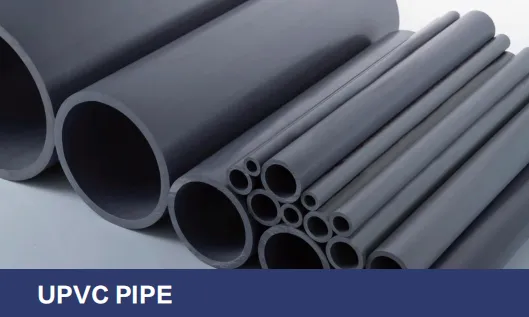
In the world of construction and plumbing, few materials have revolutionized efficiency and durability quite like UPVC (Unplasticized Polyvinyl Chloride) pipes. As an upvc pipe supplier , we've seen firsthand how these pipes have become the backbone of modern infrastructure—from residential plumbing to commercial drainage systems. But here's the thing: even the highest-quality UPVC pipes are only as reliable as the joints that hold them together. That's why understanding the two primary jointing techniques—gluing (solvent cementing) and mechanical fittings—is critical for anyone working with upvc pipe solutions . Whether you're a contractor installing a new DWV (Drain-Waste-Vent) system or a homeowner tackling a DIY project, choosing the right method can mean the difference between a leak-free, long-lasting setup and a costly, frustrating repair down the line.
Before diving into jointing techniques, let's take a moment to appreciate why UPVC pipes are so widely used. Unlike regular PVC, UPVC is rigid, chemical-resistant, and incredibly strong—properties that make it ideal for carrying water, waste, and even corrosive fluids. As an upvc pipe supplier , we often highlight their lightweight nature (easy to transport and install), low maintenance needs, and affordability compared to metal alternatives. But none of these benefits matter if the joints fail. That's where gluing and mechanical fittings come in: they're the unsung heroes that turn individual pipes into a cohesive, functional system.
If you've ever walked past a plumbing job site, you've probably smelled the sharp, distinctive odor of solvent cement. That's the signature scent of gluing, or solvent cementing—a method that's been trusted by professionals for decades. So, how does it work? At its core, gluing creates a chemical bond between two UPVC surfaces. When solvent cement is applied to the pipe and fitting, it temporarily dissolves the outer layer of the plastic, allowing the molecules of the pipe and fitting to merge as the cement dries. The result? A bond that's often stronger than the pipe itself.
The Process: Step-by-Step
1.
Preparation is Key:
Start by cleaning the pipe and fitting thoroughly. Any dirt, grease, or moisture will weaken the bond, so we always recommend using a dedicated UPVC cleaner (often included in
upvc pipe solutions
kits) and a lint-free cloth. Next, use a pipe cutter to ensure clean, square ends—no jagged edges allowed. Finally, lightly sand the surfaces to be joined; this creates a rough texture for better cement adhesion.
2.
Applying the Cement:
Shake the solvent cement can well (it separates over time!). Using the applicator brush that comes with the cement, apply a thin, even layer to the outside of the pipe and the inside of the fitting. Don't skimp here—too little cement means a weak bond, but too much can create excess that blocks the pipe or weakens the joint.
3.
Joining the Pieces:
Immediately after applying the cement, push the pipe into the fitting with a slight twisting motion (about a quarter turn). Hold it firmly for 30-60 seconds—this gives the cement time to start bonding. You'll notice a small bead of cement oozing out of the joint; that's a good sign! Wipe away the excess with a cloth, but don't disturb the joint.
4.
Curing Time:
Patience is crucial here. While the joint may feel solid after a few minutes, full curing takes 24 hours (longer in cold or humid weather). Avoid testing the system until it's fully cured—rushing this step is a common cause of leaks.
Pros of Gluing:
-
Strength:
When done right, the chemical bond is permanent and nearly as strong as the pipe itself. It can withstand high pressure and won't loosen over time.
-
Cost-Effective:
Solvent cement is inexpensive, and the process requires minimal tools—just a cutter, cleaner, and brush. For large projects, this adds up to significant savings.
-
Sleek Profile:
Glued joints are smooth and compact, making them ideal for tight spaces where bulky fittings would be a hassle.
-
Water-Tight:
Once cured, the bond is impermeable to water and most chemicals—a must for
pvc dwv pipe solutions
where leaks can lead to mold or structural damage.
Cons of Gluing:
-
Permanent:
There's no going back. If you make a mistake (like misaligning the pipe), you'll need to cut out the joint and start over.
-
Skill-Dependent:
The process requires precision—too little cement, improper cleaning, or rushing the curing time can all lead to failure. It's not the best choice for beginners.
-
Weather Sensitivity:
Cold temperatures slow curing, and rain or humidity can interfere with adhesion. In freezing weather, the cement may not work at all.
-
Not for Disassembly:
If you ever need to modify the system (e.g., adding a new fixture), you'll have to cut the pipes and replace the joints.
If gluing is the "set-it-and-forget-it" method, mechanical fittings are the "adaptable problem-solver." Instead of using chemicals, these fittings rely on physical pressure, gaskets, or threads to create a seal. They come in various styles—compression, push-fit, threaded, and flange—and are designed for quick, tool-free (or minimal-tool) installation. As an upvc pipe supplier , we often recommend them for projects where flexibility or ease of maintenance is key.
Common Types of Mechanical Fittings:
-
Compression Fittings:
These use a nut and a ring (ferrule) that compresses onto the pipe when tightened, creating a seal. They're popular for copper pipes but work equally well with UPVC.
-
Push-Fit Fittings:
The easiest to install—simply push the pipe into the fitting until it clicks. Inside, a rubber O-ring expands to seal the joint. Many are reusable, making them great for temporary setups.
-
Threaded Fittings:
Similar to how a bolt and nut work, these have male and female threads that screw together. They're common in high-pressure applications but require Teflon tape or pipe dope to prevent leaks.
-
Flange Fittings:
Used for large-diameter pipes, these bolt together with a gasket in between. They're durable but bulky, best for industrial settings.
The Process: Simplicity at Its Best
Unlike gluing, mechanical fitting installation is straightforward: clean the pipe (still important!), slide on the fitting (or tighten the nut), and you're done. No waiting for curing, no messy cement, and no special skills required. For example, with push-fit fittings, the hardest part is making sure the pipe is cut straight—after that, it's a one-second push. Compression fittings take a bit more effort (you'll need a wrench to tighten the nut), but still, even a novice can master them in minutes.
Pros of Mechanical Fittings:
-
Easy Installation:
No curing time, no special tools, and no prior experience needed. This makes them perfect for DIYers or emergency repairs.
-
Demountable:
Need to move a pipe or replace a section? Just loosen the fitting and pull it apart. This is a game-changer for maintenance or renovation projects.
-
Weather Resistant:
Cold, rain, or humidity? No problem. Mechanical fittings work in all weather conditions, unlike solvent cement.
-
Versatile:
They work with multiple pipe materials—UPVC, PPR, even metal. This flexibility is why many
ppr pipe and fitting supplier
s also stock mechanical options.
-
Reduced Risk of Errors:
Since there's no cement or curing, the margin for mistake is much lower. Even if you slightly misalign the pipe, you can adjust it before finalizing the fitting.
Cons of Mechanical Fittings:
-
Higher Cost:
Fittings are more expensive than solvent cement, especially for large projects. Over time, this can add up significantly.
-
Bulkier Profile:
Mechanical fittings are larger than glued joints, which can be an issue in tight spaces like wall cavities or under sinks.
-
Potential for Leaks:
If not installed properly (e.g., a loose compression nut or damaged O-ring), leaks can occur. They're also more prone to loosening over time in high-vibration areas.
-
Pressure Limitations:
While some mechanical fittings handle high pressure, they're generally not as strong as glued joints for long-term, constant pressure applications.
| Aspect | Gluing (Solvent Cementing) | Mechanical Fittings |
|---|---|---|
| Installation Time | Short (10-15 mins per joint), but requires 24hr curing | Very short (1-2 mins per joint), no curing time |
| Skill Level Needed | Moderate (requires cleaning, cement application, and patience) | Low (easy for beginners with minimal tools) |
| Permanence | Permanent (cannot be disassembled without cutting) | Demountable (can be taken apart and reused) |
| Cost | Low (inexpensive cement and minimal tools) | High (fittings are pricier, especially for large projects) |
| Weather Sensitivity | High (curing slows in cold/humid weather) | Low (works in all weather conditions) |
| Best For | Permanent systems (e.g., DWV lines, underground piping) | Repairs, temporary setups, or areas needing maintenance |
| Leak Risk | Low (when installed correctly and fully cured) | Moderate (depends on proper tightening and gasket condition) |
So, how do you decide between gluing and mechanical fittings? It all comes down to your project's needs. Here are some scenarios we've encountered as an upvc pipe supplier :
Choose Gluing When:
-
You're Installing a Permanent System:
Think residential DWV systems (
pvc dwv pipe solutions
), underground drainage, or water supply lines that won't need modification. The permanent bond ensures decades of reliability.
-
Cost Is a Priority:
For large projects like apartment complexes or commercial buildings, the savings from solvent cement add up quickly.
-
Space Is Tight:
In wall voids, crawl spaces, or under floors, the sleek profile of glued joints avoids cluttering the area with bulky fittings.
-
Chemical Resistance Matters:
Glued joints hold up well against harsh chemicals, making them ideal for industrial waste lines or laboratory plumbing.
Choose Mechanical Fittings When:
-
You Need to Make Repairs:
If a pipe bursts in the middle of winter, mechanical fittings let you fix it quickly without waiting for cement to cure.
-
Future Modifications Are Likely:
Renovations, additions, or temporary setups (like a construction site's temporary plumbing) benefit from demountable joints.
-
You're a DIYer:
No need to worry about mastering cement application—mechanical fittings are forgiving and easy to adjust.
-
Weather Is Uncooperative:
Installing pipes in freezing temperatures? Mechanical fittings won't let cold weather slow you down.
Sometimes, the best solution is a mix! For example, you might use glued joints for the main DWV line (permanent, hidden) and mechanical fittings under the sink (easy to access for future repairs). As an upvc pipe supplier , we often help clients design hybrid systems that balance durability and flexibility.
No matter which method you choose, following these tips will ensure success:
At the end of the day, there's no "better" jointing technique—only the one that fits your project. Gluing offers strength and cost savings for permanent installations, while mechanical fittings provide flexibility and ease for repairs or temporary setups. As an upvc pipe supplier , our goal is to provide not just pipes, but complete upvc pipe solutions —and that includes helping you choose the right joints. Whether you're working on a small bathroom remodel or a large-scale commercial project, understanding these techniques ensures your system is safe, reliable, and built to last.
So, the next time you pick up a UPVC pipe, take a moment to think about the joints. They may not be the most glamorous part of the project, but they're the foundation of every successful plumbing system. And if you ever need help deciding between gluing and mechanical fittings? Just ask—we're here to help.
Recommend Products












