
In the heart of the Middle East, Saudi Arabia's construction sector is experiencing a transformation unlike any other. Driven by Vision 2030—an ambitious plan to diversify the economy and build world-class infrastructure—cities like Riyadh, Jeddah, and NEOM are sprouting skyscrapers, hospitals, schools, and transportation networks at a staggering pace. From the futuristic NEOM project to the expansion of King Abdullah Economic City, every development hinges on one invisible yet critical component: reliable piping systems. Behind the walls, under the streets, and within the frameworks of these structures, pipes form the circulatory system that keeps water flowing, waste draining, and buildings functional. Among the many materials available, UPVC (Unplasticized Polyvinyl Chloride) pipes have emerged as a cornerstone of modern construction in Saudi Arabia, offering a blend of durability, efficiency, and cost-effectiveness that aligns perfectly with local needs. In this article, we'll explore why UPVC pipe solutions have become indispensable, how they're applied across different projects, and the role of local suppliers in shaping the country's built environment.
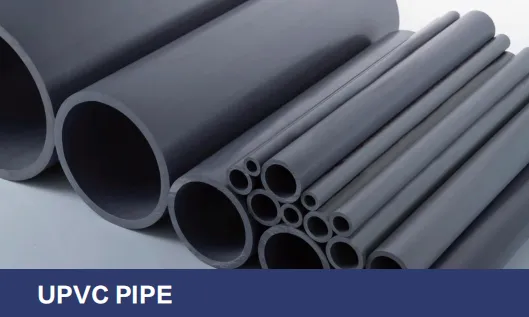
Before diving into their impact in Saudi Arabia, let's start with the basics: What exactly are UPVC pipes? Unlike regular PVC pipes, which may contain plasticizers for flexibility, UPVC is rigid, strong, and free of added chemicals, making it ideal for high-pressure applications. Manufactured by extruding molten UPVC resin into precise shapes, these pipes boast a smooth inner surface that minimizes friction, reduces clogs, and improves water flow—key advantages in a region where efficient water management is paramount.
But what truly sets UPVC apart is its versatility. Available in various diameters (from 16mm to 630mm) and pressure ratings, it's suitable for everything from residential plumbing to large-scale industrial projects. Its properties read like a checklist for Saudi Arabia's construction challenges: resistance to corrosion (critical in areas with mineral-rich groundwater), tolerance to extreme temperatures (withstanding Saudi's scorching summers and occasional cold snaps), and a long lifespan (often exceeding 50 years with minimal maintenance). For builders and developers, this translates to lower replacement costs, fewer disruptions, and peace of mind that the piping won't fail when it matters most.
Saudi Arabia's environment is unforgiving. Summer temperatures regularly soar above 45°C, sandstorms lash construction sites, and water scarcity demands systems that maximize efficiency. UPVC pipes aren't just a good choice here—they're often the only practical one. Let's break down the reasons:
Imagine a pipe installed outdoors in Riyadh, exposed to relentless sunlight for hours. Many materials would warp, crack, or degrade over time, but UPVC holds its ground. Its low thermal conductivity means it doesn't absorb heat easily, and its rigid structure resists deformation even in extreme temperatures. This stability is crucial for both above-ground applications (like irrigation lines) and underground ones (where soil temperatures can still rise significantly). Sandstorms, another common challenge, test a material's durability—UPVC's smooth surface prevents sand and debris from adhering to it, reducing wear and tear during installation and use.
Saudi Arabia is one of the world's most water-scarce countries, relying heavily on desalination and groundwater. In this context, a single leaky pipe isn't just a maintenance headache—it's a waste of a precious resource. UPVC pipes address this with their precision-engineered joints (often using solvent cement or rubber gaskets) that create watertight seals, minimizing leakage rates to near-zero. Their smooth inner walls also improve flow velocity, allowing systems to deliver more water with less energy—an important consideration for sustainable building practices increasingly prioritized under Vision 2030.
With billions of riyals invested in construction annually, cost efficiency is top of mind for developers. UPVC pipes check this box too. Compared to metal pipes (like steel or copper), they're lighter, easier to transport, and faster to install—cutting down on labor and equipment costs. Their resistance to corrosion also eliminates the need for expensive coatings or treatments, while their long lifespan reduces the frequency of replacements. For a country racing to build entire cities from scratch, these savings add up quickly, making UPVC a budget-friendly yet high-performance option.
UPVC pipes aren't a one-trick pony—they adapt to nearly every corner of the construction landscape. Let's explore how they're making an impact across residential, commercial, and infrastructure projects:
In Riyadh's growing suburbs or Jeddah's coastal apartments, UPVC pipes are the backbone of residential plumbing. They carry drinking water from municipal lines to kitchens and bathrooms, and whisk away wastewater through drainage systems. Homeowners appreciate their quiet operation (no clanging like metal pipes) and the fact that they don't leach chemicals into water, ensuring safety for families. For developers, using upvc pipe solutions here means meeting strict health standards while keeping construction timelines on track—critical in a market where demand for housing far outpaces supply.
Hospitals and schools have unique demands: hygiene, safety, and reliability. In a hospital, for example, drainage systems must handle large volumes of water while preventing cross-contamination. This is where pvc dwv pipe solutions (DWV stands for Drainage, Waste, and Vent) come into play. PVC DWV pipes, often paired with UPVC for water supply, are designed to efficiently carry wastewater and vent gases, reducing the risk of clogs and odors. In schools, UPVC's non-toxic nature ensures that even if pipes are accidentally damaged, they won't release harmful substances—a must for environments with children. Malls, too, rely on UPVC for their complex plumbing networks, from food court kitchens to restroom facilities, where high traffic means pipes must withstand constant use.
Beyond buildings, UPVC pipes are transforming Saudi Arabia's infrastructure. Municipal water supply projects, like those feeding new neighborhoods in NEOM, use large-diameter UPVC pipes to transport water over long distances with minimal pressure loss. Sewage systems, critical for public health, depend on durable pipes that can handle abrasive waste and resist root intrusion—another area where UPVC excels. Even in rural areas, UPVC is replacing outdated metal pipes in agricultural irrigation, helping farmers conserve water by reducing leaks and improving distribution efficiency.
While UPVC is popular, it's not the only piping material available. Let's compare it to two common alternatives—PPR (Polypropylene Random Copolymer) and PVC DWV—to see why it often comes out on top for Saudi projects:
| Feature | UPVC Pipes | PPR Pipes (ppr pipe and fitting solutions) | PVC DWV Pipes (pvc dwv pipe solutions) |
|---|---|---|---|
| Material | Rigid, unplasticized PVC | Flexible polypropylene copolymer | Semi-rigid PVC (for drainage) |
| Temperature Resistance | Up to 60°C (ideal for cold/hot water in homes) | Up to 95°C (better for high-temperature applications like boilers) | Up to 40°C (suited for room-temperature wastewater) |
| Pressure Rating | High (up to 16 bar, suitable for water supply) | Moderate to high (up to 10 bar, good for hot water lines) | Low (not designed for pressure, only gravity flow) |
| Primary Applications | Water supply, irrigation, residential/commercial plumbing | Hot water systems, industrial pipelines, solar water heaters | Drainage, waste removal, venting in buildings |
| Advantages in Saudi Arabia | Heat resistance, low cost, easy installation, long lifespan | Flexibility, heat tolerance for hot water, chemical resistance | Lightweight, cost-effective, efficient for drainage |
As the table shows, UPVC strikes a balance that's hard to beat for most general applications. While PPR is better for very high-temperature systems (like industrial boilers) and PVC DWV is specialized for drainage, UPVC's versatility makes it the go-to for projects that need both water supply and basic drainage solutions. For many developers, pairing UPVC with pvc dwv pipe solutions for drainage and ppr pipe and fitting solutions for specific hot water needs creates a comprehensive system that covers all bases.
Behind every successful UPVC installation in Saudi Arabia is a reliable upvc pipe supplier. These aren't just vendors—they're partners who understand the unique challenges of the local market. A good supplier doesn't just deliver pipes; they offer tailored upvc pipe solutions that align with project goals, whether it's a small residential complex or a mega-infrastructure project like the Riyadh Metro.
So, what should developers look for in a supplier? First, compliance with Saudi standards. The Saudi Standards, Metrology and Quality Organization (SASO) sets strict guidelines for construction materials, and a reputable supplier ensures all products meet or exceed these standards. This includes testing for pressure resistance, chemical stability, and durability in local conditions. Second, technical support. Installing UPVC pipes requires precision—from cutting to jointing—and suppliers that offer on-site training or installation guides can save contractors time and reduce errors. Third, inventory and availability. With construction timelines tight, delays due to material shortages are costly. Suppliers with local warehouses ensure that pipes are available when needed, even for urgent projects.
Many suppliers also go the extra mile by offering custom solutions. For example, a project in a coastal area might need UPVC pipes with enhanced UV protection to withstand salt spray, while a high-rise building might require smaller-diameter pipes that fit into tight wall cavities. A responsive upvc pipe supplier will work with clients to adjust specifications, ensuring the pipes fit seamlessly into the project's design.
To understand UPVC's value, let's look at a few case studies from Saudi Arabia:
A developer in Jeddah was building a 20-story apartment complex with 300 units. With a tight deadline and a budget focused on affordability, they needed a plumbing system that was both cost-effective and reliable. They partnered with a local upvc pipe supplier to install UPVC pipes for water supply and pvc dwv pipe solutions for drainage. The result? Installation took 30% less time than with metal pipes, and the smooth inner walls of the UPVC reduced water pressure loss, ensuring all units had consistent water flow. Five years later, the developer reports zero leaks or replacements, making UPVC a key factor in the project's success.
A major hospital in Riyadh needed to expand its emergency wing, requiring new plumbing and drainage systems that could handle increased patient load. The project prioritized hygiene and minimal maintenance, so the team chose UPVC for water supply and pvc dwv pipe solutions for drainage. The UPVC pipes' non-porous surface prevented bacterial growth, while the DWV system's efficient flow reduced the risk of clogs. During peak hours, the system handled a 50% increase in water usage without issues, proving UPVC's reliability in critical healthcare settings.
NEOM, Saudi Arabia's futuristic city, is built in a remote desert area with limited existing infrastructure. One of its first phases involved laying a 50-kilometer water supply line to connect the city to a nearby desalination plant. Engineers chose large-diameter UPVC pipes for the project, citing their lightweight design (easier to transport over rough terrain) and corrosion resistance (critical for desalinated water, which can be high in minerals). The pipes were installed in just six months—months ahead of schedule—and have since delivered clean water to the city's initial residents and businesses, proving UPVC's scalability for mega-projects.
While UPVC is a strong performer, it's not without challenges in Saudi Arabia. Let's address these and how the industry is adapting:
Sandstorms are a fact of life in Saudi Arabia, and they can wreak havoc during pipe installation. Fine sand particles can get inside pipes, clogging joints or damaging seals. To combat this, suppliers now offer pre-cut pipes with protective caps, and installers are trained to clean pipes thoroughly before joining. Some suppliers even provide specialized cleaning kits with air compressors to blow out debris—small innovations that make a big difference in installation quality.
Groundwater in some Saudi regions is high in minerals like calcium and magnesium, which can cause scaling inside pipes over time. While UPVC is resistant to scaling compared to metal, it's not immune. To address this, suppliers are developing UPVC pipes with smoother inner surfaces or adding anti-scaling additives to the resin. Additionally, water treatment plants are increasingly using UPVC pipes for their own systems, ensuring that treated water (less mineral-rich) flows through the pipes, reducing scaling risks downstream.
While UPVC is easier to install than metal, improper jointing can lead to leaks. Some contractors, especially those used to working with traditional materials, may lack experience with UPVC's specific techniques (like solvent cement application). To bridge this gap, upvc pipe suppliers are partnering with trade schools and construction companies to offer training programs. These workshops teach best practices for cutting, fitting, and testing UPVC pipes, ensuring that installations meet quality standards.
Looking ahead, UPVC pipe solutions are poised to play an even bigger role in Saudi Arabia's construction future. Here's why:
Vision 2030 emphasizes sustainability, and UPVC aligns with this goal. Its long lifespan reduces waste from replacements, and its lightweight design cuts down on transportation emissions. Some suppliers are even experimenting with recycled UPVC resin, turning old pipes into new ones—a circular economy approach that fits with Saudi's push for environmental responsibility.
The future of construction is smart, and UPVC pipes are keeping up. Innovations like embedded sensors in pipes can detect leaks or pressure drops in real time, sending alerts to maintenance teams before issues escalate. This is especially valuable for large projects like NEOM, where proactive maintenance is key to avoiding downtime. Some upvc pipe suppliers are already testing these smart pipes in pilot projects, with plans to roll them out widely in the next few years.
As Saudi Arabia diversifies its economy, new construction sectors are emerging—from data centers (requiring precise cooling systems) to renewable energy projects (solar farms needing irrigation for panel cleaning). UPVC's adaptability makes it suitable for these niche applications, opening up new markets for suppliers and further solidifying its role in the country's built environment.
Saudi Arabia's construction boom is more than just about buildings; it's about building a sustainable, efficient, and prosperous future. At the heart of this vision are UPVC pipes—quiet, reliable workhorses that keep water flowing, waste moving, and communities thriving. From residential homes to mega-cities like NEOM, upvc pipe solutions are proving their worth, offering durability in harsh climates, cost savings for developers, and safety for residents.
As the country races toward Vision 2030, the role of the upvc pipe supplier will only grow. These partners, with their local expertise and commitment to innovation, are ensuring that Saudi Arabia has the piping infrastructure it needs to support its ambitions. Whether it's through custom solutions, technical support, or cutting-edge smart pipes, they're not just selling products—they're building partnerships that will shape the nation for decades to come.
In the end, UPVC pipes are more than a construction material. They're a testament to how the right technology, paired with local knowledge, can turn challenges into opportunities. And in Saudi Arabia, where the future is being built today, that's a powerful combination.
Recommend Products












